





Strategic Spring Pruning
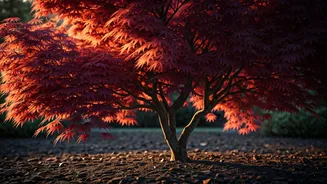
May presents the ideal window for a light, strategic pruning of your Japanese maple, focusing on tidying rather than drastic reshaping. The goal is to
enhance air circulation and remove any branches that are dead, weak, or crossing and rubbing against others. Extensive research highlights pruning as fundamental to a tree's long-term vitality, yet it can also cause harm if not executed correctly. According to studies, minimizing wound size and limiting the number of cuts made at one time is paramount for facilitating the tree's healing process. Professionals strongly advise against significant shaping until late spring, as heavy pruning in early spring can unduly stress the tree while it's attempting to produce new growth. Opting for a few judiciously placed cuts is beneficial, but an aggressive approach with shears in early spring should be avoided to maintain the tree's health and vigor.
Importance of Mulching
Applying a fresh layer of mulch around your Japanese maple is a highly effective yet often overlooked care step. This practice is vital for retaining essential soil moisture, keeping the root system cool as temperatures escalate, and suppressing weed growth at the tree's base. Research indicates that organic mulches significantly benefit tree health by promoting shoot and root development, enhancing soil moisture retention, and improving overall root structure over time. Aim for a two to three-inch layer of mulch around the tree's base, with materials like shredded bark, wood chips, or pine needles being excellent choices. Crucially, avoid creating a 'mulch volcano' by piling material directly against the trunk, as this can lead to rot and pest infestations. Instead, maintain a few inches of space between the mulch and the bark, spreading it in a wide circle to mimic a natural woodland environment. Regularly check the mulch depth every few weeks and replenish as needed to sustain the protective layer throughout the summer months.
Smart Watering Practices
Navigating the unpredictable spring weather requires a mindful approach to watering your Japanese maple, as consistent moisture levels are key to its well-being. These trees prefer moist, but not waterlogged, soil, and striking this balance is crucial. Both overwatering and underwatering can lead to detrimental effects: excessive moisture risks root rot, while insufficient watering will cause the leaves to scorch and wilt, indicating stress. A simple and effective method to gauge soil moisture is to insert your finger one to two inches deep near the tree's base. If the soil feels dry, it's time to water thoroughly. If it's still damp, it's best to wait. Watering once or twice a week, adjusting for natural rainfall, is generally recommended. Performing this task in the morning is ideal, allowing the roots to absorb the water before the heat of the afternoon increases evaporation from the soil surface.