





Drone Threat Neutralized
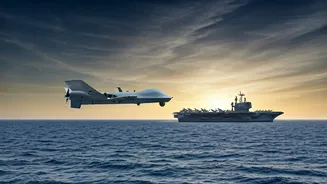
In a decisive act of self-defense, a United States F-35 fighter jet successfully engaged and destroyed an Iranian drone that had encroached upon the operational
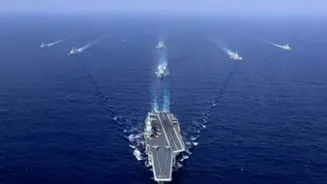
vicinity of the aircraft carrier USS Abraham Lincoln in the Arabian Sea. The drone, identified as a Shahed-139, was observed exhibiting aggressive maneuvers toward the carrier, prompting the F-35C pilot to take action to safeguard the vessel and its personnel. According to Captain Tim Hawkins of US Central Command, the interception was a necessary measure to ensure the security of the carrier strike group. Fortunately, no American service members sustained injuries, and no equipment suffered damage during this confrontation. This operation occurred against a backdrop of complex geopolitical negotiations aimed at re-establishing nuclear talks between the US and Iran.
Escalating Regional Tensions
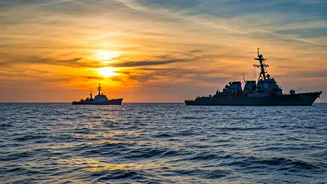
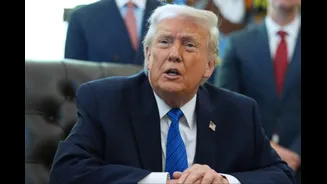
The incident with the Iranian drone is symptomatic of the broader, simmering tensions between the United States and Iran, which have been exacerbated by stalled nuclear negotiations and Iran's assertive regional activities. This recent standoff coincided with diplomatic overtures, as international delegates worked to facilitate dialogue between the two nations. Concurrently, President Donald Trump issued a stern warning regarding potential "bad things" that could transpire if a nuclear agreement remained elusive, especially as US warships were repositioning closer to Iran. The presence of the Abraham Lincoln carrier strike group in the Middle East represents a significant American military build-up, a response partly driven by Iran's severe suppression of anti-government protests that resulted in widespread casualties and international condemnation, marking the deadliest unrest in Iran since the 1979 revolution. While President Trump refrained from direct military intervention in the protests, he has since pivoted to demanding nuclear concessions from Tehran, leveraging the deployment of naval assets.
Diplomacy and Confrontation
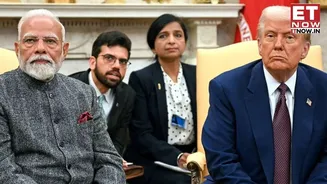
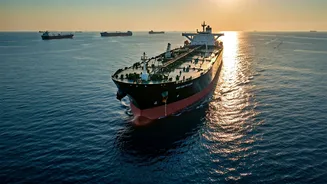
Recent developments suggest a dual-track approach by the US towards Iran, emphasizing diplomacy while maintaining a robust military posture. President Trump expressed optimism about ongoing discussions, noting that Iran was "seriously talking," a sentiment echoed by Iranian official Ali Larijani, who confirmed that negotiations were indeed being arranged. However, this period of diplomatic maneuvering was juxtaposed with direct confrontations. Shortly after initial reports of the drone incident, Iran's Revolutionary Guard reportedly harassed a US-flagged merchant vessel, the M/V Stena Imperative, in the Strait of Hormuz. According to Captain Hawkins, two IRGC boats and a Mohajer drone approached the ship, threatening to board and seize it. White House Press Secretary Karoline Leavitt confirmed CENTCOM's decision to down the Iranian drone, reiterating the drone's aggressive behavior towards the USS Lincoln and emphasizing President Trump's unwavering commitment to pursuing diplomacy, contingent on reciprocal efforts from Iran. This complex interplay of escalating rhetoric, military posturing, and diplomatic overtures underscores the precarious state of relations in the region.