

The Sticky Card Problem
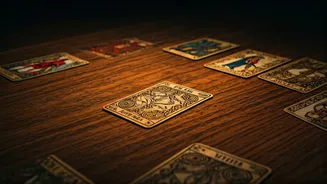
Many card game enthusiasts have faced the frustrating issue of cards becoming unmanageably sticky, especially in humid conditions or after extensive shuffling.
This tackiness disrupts the smooth flow of gameplay, making it difficult to deal, shuffle, or even hold the cards effectively. The problem often arises as moisture from the air or hands interacts with the card surfaces, causing them to cling together. This phenomenon can make even a well-loved deck feel cumbersome and unresponsive, leading players to consider replacing them. However, before discarding those familiar cards, a remarkably effective, low-tech solution lies readily available in most kitchens, capable of bringing them back to their former glory.
Flour: The Magic Ingredient
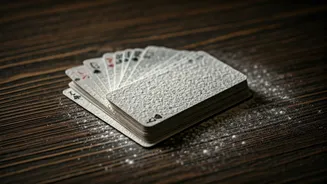
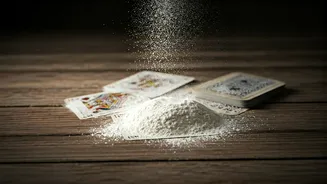
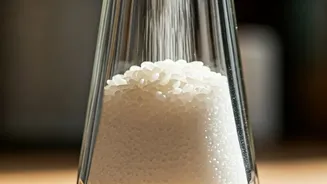
The secret to reviving sticky cards is surprisingly simple: a light application of common household flour. This natural remedy works by leveraging the absorbent properties of flour to combat excess moisture. When humidity causes cards to adhere, it's due to moisture creating a 'suction' effect. Flour acts as a dry medium, creating a micro-environment that draws away this surface dampness. Its fine particles effectively minimize friction between cards, restoring their ability to slide freely. This method is particularly beneficial for older decks where protective coatings may have degraded, making them susceptible to stickiness and wear.
The Science Behind Flour
The effectiveness of flour as a card rejuvenator is rooted in its structural composition, particularly wheat flour's interaction with water molecules. Research indicates that flour particles are adept at absorbing moisture, functioning much like the chalk used by athletes to keep their hands dry. By applying a thin layer, you're essentially deploying countless tiny agents that wick away dampness from the card surfaces. This creates a drier micro-environment, preventing cards from clinging due to moisture-induced adhesion. Studies published in scientific journals like Food Chemistry and Foods highlight flour's inherent ability to maintain its own moisture balance, making it an ideal agent for restoring the ideal humidity levels within a deck of cards, ensuring smooth play even after hours of use.
Mastering the Flour Technique
While the concept is simple, the application requires a bit of finesse to achieve optimal results. Simply pouring flour directly onto the deck can lead to an overly dusty mess and ineffective treatment. A more controlled approach involves placing the deck inside a sealed bag with about one tablespoon of flour. Gently shake the bag to ensure an even, light coating on all cards, allowing the flour to settle into the minute imperfections of the card surfaces rather than forming a visible layer. Afterwards, remove the cards and lightly tap the deck to dislodge any excess powder. The goal is an invisible touch that enhances glide, not a noticeable residue. Proper storage of flour in an airtight container is also crucial, as it loses its effectiveness when damp.
Long-Term Benefits
Beyond the immediate fix for sticky cards, this flour hack offers significant long-term advantages for preserving your deck. Excess moisture can lead to warping and fraying, ultimately rendering a beloved deck unusable. By regularly employing this simple drying technique, you actively prevent the detrimental effects of humidity. This proactive approach extends the lifespan of your cards, ensuring you can continue to enjoy your favorite deck for years to come. It's a testament to how readily available household items can be ingeniously applied to solve common problems, saving money and preserving cherished items without the need for specialized, expensive products.