



The Resilient Camel
Often hailed as the 'ship of the desert', the camel is a paragon of heat resistance. Its iconic hump actually stores fat, a vital energy reserve when food
is scarce, rather than water. This allows camels to endure prolonged periods without drinking and withstand significant dehydration. Their specialized physical features, such as dense eyelashes and controllable nostrils, act as natural barriers against the harsh desert winds and swirling sandstorms, ensuring their comfort and survival in the arid environment. This animal's existence is a testament to nature's ability to equip life for extreme challenges.
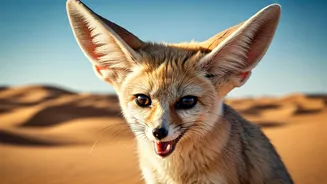
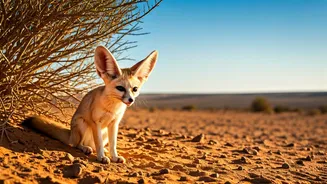
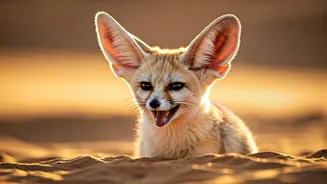
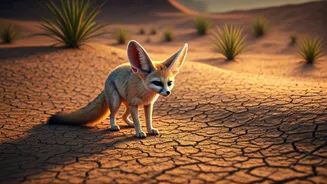
Fennec Fox's Cool Ears
Dwelling in the vast Sahara Desert, the fennec fox is instantly recognizable by its disproportionately large ears. These prominent appendages serve a crucial thermoregulation function, acting as radiators to dissipate excess body heat and maintain a stable internal temperature. The fox's pale fur offers a dual benefit: it reflects the intense daytime sun, preventing overheating, and provides insulation against the cold desert nights. Predominantly nocturnal, the fennec fox cleverly avoids the sun's harshest rays by sleeping during the day and emerging after dusk to hunt, optimizing its activity for cooler periods.
Kangaroo Rat's Water Wisdom
Though bearing a familiar name, the kangaroo rat is genetically distinct from kangaroos. This small desert rodent, native to North America's arid regions, exhibits an astonishing ability to subsist without ever drinking free water. Its hydration needs are met entirely by the moisture extracted from the seeds and plants it consumes. Furthermore, its remarkably efficient kidneys are designed to reabsorb almost every drop of water, minimizing waste. To escape the daytime heat, the kangaroo rat retreats to its underground burrows, resurfacing only when the ambient temperature drops at night.
Ostrich's Heat Management
Africa's majestic ostrich, the planet's largest bird, thrives in the scorching savannahs and arid open landscapes. Its exceptional heat management capabilities are vital for survival. The ostrich's lengthy legs enable it to traverse vast distances in search of sustenance and water while minimizing energy expenditure, a crucial adaptation in resource-scarce environments. Its unique feather structure also plays a role in temperature regulation, creating a layer of insulating cool air close to its skin, protecting it from the relentless sun.
Desert Tortoise's Burrow
The desert tortoise exemplifies a mastery of slow, deliberate survival in harsh arid terrains. It spends a significant portion of its life within underground burrows, where the temperature remains considerably cooler and more stable than the surface. This reptile possesses the ability to store water within its body, allowing it to endure extended periods without access to fresh water sources. During periods of extreme heat, the tortoise conserves energy and reduces water loss by limiting its physical activity, making each movement count.
Meerkat's Sun Protection
Renowned for their vigilant, upright posture as they survey their surroundings, meerkats are exceptionally well-suited to the dry, hot conditions found in southern Africa. They construct intricate underground burrow systems that offer refuge from the intense heat, maintaining a significantly cooler microclimate. Their distinctive dark markings around the eyes function much like natural sunglasses, reducing glare from the bright sunlight and enhancing their ability to spot predators and prey with clarity.
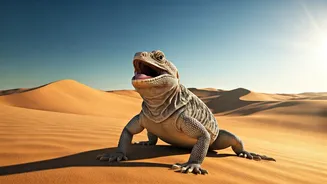
Thorny Devil's Moisture Capture
This peculiar-looking Australian lizard, the thorny devil, flourishes in some of the planet's most extreme desert environments. Its body is covered in a network of sharp spines, which ingeniously channel dew or infrequent rainfall directly towards the corners of its mouth. The lizard's specialized skin is also capable of absorbing minute quantities of moisture, a vital adaptation that enables it to survive in regions receiving minimal precipitation, showcasing an incredible solution to water scarcity.
Elephant's Cooling Mechanism
While not typically associated with desert life, African elephants possess remarkable heat tolerance. Their enormous ears act as highly effective natural radiators, dissipating excess body heat and helping them stay cool. To further regulate their temperature, elephants frequently engage in mud baths and dust showers, and make deliberate trips to water sources. Their activity patterns also shift with the weather; they tend to be more energetic during the cooler parts of the day and night, demonstrating behavioral flexibility in response to environmental conditions.