






The Reading Roadblock
Many parents grapple with encouraging their children to read, finding that digital distractions and shorter attention spans make books seem less appealing
than screens. Traditional methods like apps, reward systems, and strict schedules often fall short. Education experts, however, propose a far more straightforward and surprisingly effective solution. This method involves integrating reading into a child's interactions with beloved animal companions, tapping into a natural source of comfort and unconditional acceptance to reignite a passion for literature and cultivate essential reading skills.
Performance Anxiety in Reading
For many youngsters, the act of reading aloud carries a significant weight of pressure. Whether in a classroom or at home with a parent, this vocalized reading is often accompanied by a sense of being evaluated. This can lead to heightened self-consciousness, where every stumble or pause is noticed, turning what should be an enjoyable activity into a source of stress. Fears of mispronouncing words, losing one's place, or reading too slowly can be so potent that they deter children from books altogether, creating a cycle where the lack of practice hinders progress. This perception of being judged, especially by adults, is a well-documented factor that can diminish reading accuracy, confidence, and the overall willingness to engage with reading aloud tasks, underscoring the need for a more relaxed approach.
The Pet Reading Solution
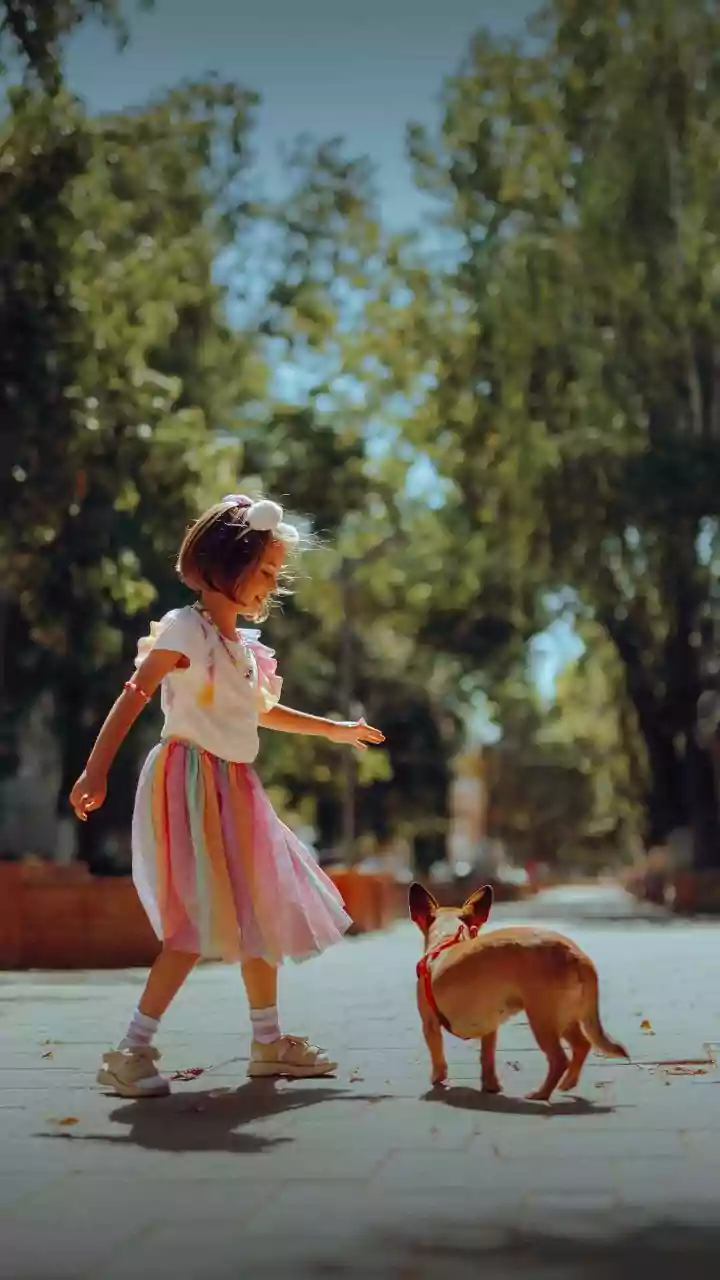
The remarkably simple strategy recommended by experts like David Smith, CEO of Silicon Valley High School, is to have children read aloud to their family pet. The species of animal—whether it's a dog, cat, rabbit, or even a goldfish—is less important than the animal's role as a passive, non-judgmental listener. Unlike human audiences, pets do not interrupt, correct, or display any signs of disappointment. This unconditional acceptance creates a safe and comfortable environment, transforming the reading experience from a performance into a shared, calming activity. Research in animal-assisted reading programs validates this approach, showing significantly reduced reading anxiety and improved fluency among children compared to traditional read-aloud settings, confirming the profound impact of a non-judgmental audience on engagement.
Building Confidence Through Companionship
Regular reading sessions with a pet cultivate a child’s reading confidence and fluency organically. When the pressure to perform is removed, children can shift their focus from their delivery to the narrative itself. This allows them to slow down, take their time, and immerse themselves in the story, fostering a more relaxed state conducive to growth. Over time, this consistent, low-stress practice leads to more expressive reading and noticeable improvements in fluency. The positive association between reading and spending enjoyable time with a beloved pet reinforces the desire to read, making it far more likely that a child will willingly pick up a book again. This process highlights that reading confidence is best built through repeated positive experiences rather than high-pressure evaluation, which often has the opposite effect.
The Science Behind the Success
The effectiveness of reading to pets stems from the creation of emotionally safe and comfortable learning environments, which are crucial for optimal development. Animals, especially dogs, are known for their calming presence, capable of lowering stress hormones like cortisol. This reduced anxiety translates directly into the reading activity, promoting a more relaxed mental state. Furthermore, reading to a pet can instill a sense of purpose, framing the activity not as a task to be judged, but as a shared experience with an animal. This subtle shift in perspective from performance to sharing makes a significant difference, encouraging greater engagement and persistence. Studies confirm that learning environments perceived as emotionally safe and non-evaluative are strongly linked to increased engagement, persistence, and skill acquisition in children, underscoring why this approach is so successful.
Alternatives for Non-Pet Owners
For families who do not have a pet, the core principle of creating a non-judgmental reading audience can be easily adapted. Beloved stuffed animals or toys can serve as excellent substitutes, particularly for younger children who are comfortable reading to their cherished companions. In some cases, a younger sibling who is too young to interrupt or correct can also fulfill a similar role. For children who benefit from imagination, parents can encourage them to 'teach' a toy what they have learned from a book, further enhancing the sense of purpose. The fundamental objective remains consistent: removing the fear of judgment and fostering a safe, relaxed reading atmosphere, as the most effective learning happens when children feel secure and uninhibited.