



The Importance of Flexibility
Flexibility is a crucial component of physical fitness that is often overlooked. It's more than just being able to touch your toes; it involves the range
of motion in your joints, which affects everything from your daily activities to athletic performance. Good flexibility reduces the risk of injuries by allowing your muscles and joints to move through their full range without strain. This becomes particularly important as we age, as flexibility tends to decrease over time. Incorporating flexibility exercises into your routine can improve posture, reduce muscle soreness, and even alleviate stress. Regular stretching can also enhance circulation, delivering more oxygen and nutrients to your muscles. Overall, maintaining good flexibility contributes to a healthier, more mobile, and more comfortable lifestyle, enhancing both physical and mental well-being.
Hamstring Stretches Explained
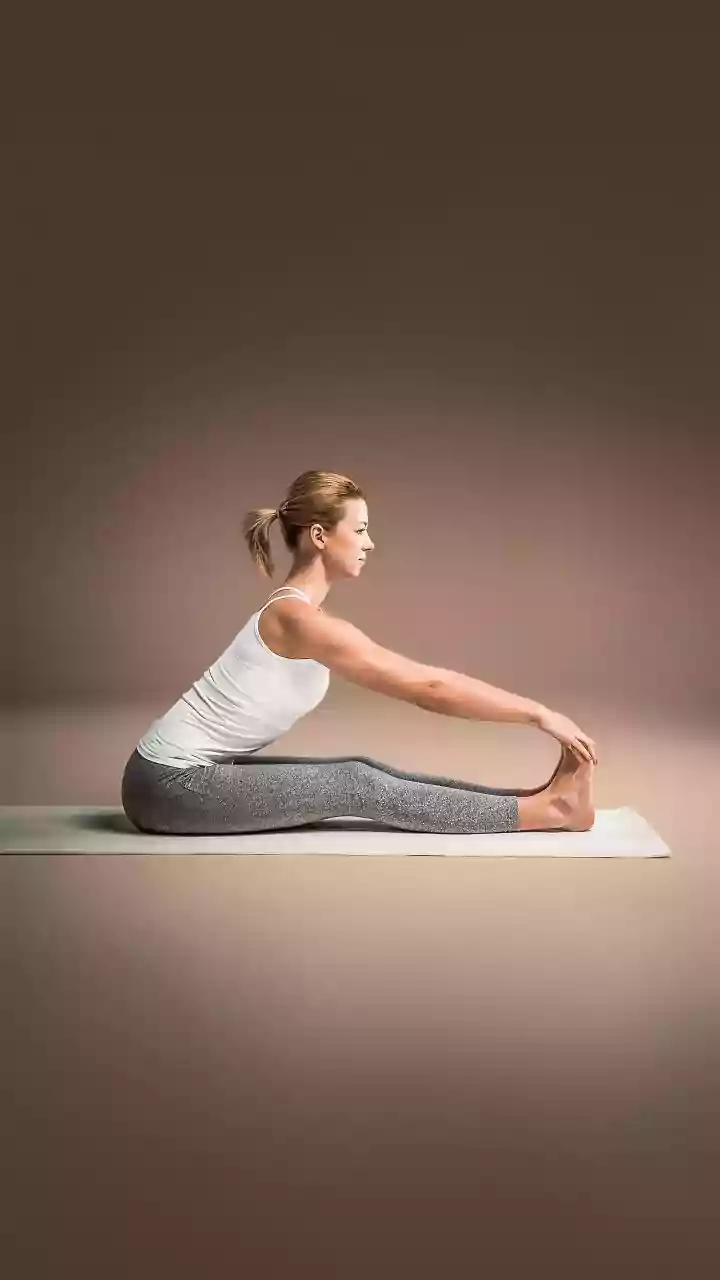
Hamstring stretches are essential for improving lower body flexibility. The hamstrings, located at the back of your thighs, can often become tight due to sitting for extended periods or engaging in activities that require repetitive leg movements. A simple standing hamstring stretch involves placing one heel on a slightly elevated surface, such as a low step or a box. Keep your back straight, and gently lean forward from your hips, keeping your leg straight, until you feel a stretch in the back of your thigh. Another effective method is the seated hamstring stretch, where you sit on the floor with your legs extended. Reach toward your toes, keeping your back straight. These stretches should be held for 20–30 seconds, allowing the muscles to relax and lengthen. Regularly performing these stretches not only improves flexibility but also reduces the risk of hamstring strains and improves overall lower body mobility, contributing to better posture and reduced back pain.
Quadriceps Stretching Techniques
Quadriceps stretches are key for targeting the muscles at the front of your thighs. Tight quadriceps can restrict movement and impact your posture. One effective stretch is the standing quad stretch. Stand tall and bend one knee, bringing your heel towards your glutes. Grasp your ankle with your hand and gently pull your heel closer to your buttocks, feeling a stretch in the front of your thigh. Maintain an upright posture to maximize the stretch. A modified version can be done lying down on your side, gently pulling your heel towards your glutes. Another useful option is the kneeling quad stretch, which is especially effective for people with limited mobility. Kneel on one knee, then slowly lean backward, feeling the stretch. Holding each stretch for about 20–30 seconds enables the muscle fibers to elongate. Consistent quad stretching not only improves leg flexibility but also can enhance your overall mobility and aid in injury prevention, especially for runners and athletes.
Focusing on Hip Flexors
Hip flexor stretches are crucial for improving mobility and reducing stiffness. The hip flexors are a group of muscles located at the front of your hips that play a crucial role in walking, running, and bending. Tight hip flexors can cause lower back pain and hinder movement. A good stretch to start with is the kneeling hip flexor stretch. Kneel down on one knee with the other foot flat on the floor in front of you. Gently push your hips forward while keeping your back straight until you feel a stretch in the front of your hip. Another effective stretch is the lunge stretch, where you step forward into a lunge position and feel the stretch in the front of your hip on your back leg. Holding these stretches for 20–30 seconds can greatly improve the flexibility of these muscles. Regularly incorporating hip flexor stretches helps reduce tightness, improve posture, and alleviate discomfort, especially for individuals who sit for extended periods.
Shoulder and Chest Stretches
Shoulder and chest stretches are important for maintaining upper body flexibility and counteracting the effects of prolonged sitting and poor posture. One simple stretch is the doorway chest stretch. Stand in a doorway and place your forearms on either side of the frame, with your elbows bent at a 90-degree angle. Gently lean forward until you feel a stretch across your chest and shoulders. Another useful stretch is the arm across the body stretch. Extend one arm across your body, and use your other hand to gently pull your arm closer to your chest. For shoulder stretches, try the arm circles, both forward and backward, to improve the shoulder joint's range of motion. Holding these stretches for 20–30 seconds can improve posture, reduce tension in the upper body, and increase the flexibility of your shoulders and chest. These stretches are particularly beneficial for those who work at a desk or spend a lot of time hunched over.
Cool-Down and Consistency
Cooling down and maintaining consistency are vital for improving and sustaining flexibility. After completing your flexibility exercises, it's important to perform a gentle cool-down. This can involve holding stretches for a slightly longer duration, like 30–60 seconds, which allows your muscles to relax and recover. Incorporate stretches into your cool-down routine after any workout. Consistency is key; aim to stretch at least 3–4 times a week to see noticeable improvements in your flexibility. Make stretching a regular part of your daily routine. This can be as simple as doing a few stretches in the morning or before bed. Remember to listen to your body and never push yourself beyond your comfort zone. Maintaining a consistent stretching routine will not only enhance your flexibility but also contribute to improved posture, reduced muscle tension, and a decreased risk of injury, promoting overall physical wellness.