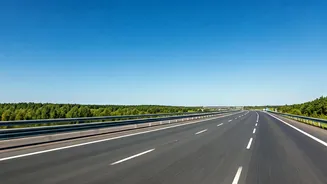








Expressway Overview
The Agra-Gwalior Expressway represents a significant infrastructure development initiative aimed at improving connectivity between the cities of Agra and
Gwalior. Its strategic importance lies in its ability to facilitate smoother and faster travel, thereby boosting economic activities and fostering regional development. The expressway is designed to offer a superior road experience compared to existing routes, with features such as controlled access and enhanced safety measures. The project’s implementation has involved various stages, from planning and land acquisition to construction and commissioning. The successful completion of this expressway is anticipated to reduce travel time significantly, benefiting both commuters and businesses. Additionally, the expressway is poised to contribute to the overall growth of the regions it traverses by improving access to markets, promoting tourism, and creating employment opportunities for the local populace. The project has also been developed with considerations for environmental sustainability, incorporating practices to minimize its ecological footprint. Therefore, the Agra-Gwalior Expressway serves as a prime example of modern infrastructure development that prioritizes efficiency, safety, and holistic regional progress.
Route and Connectivity
The Agra-Gwalior Expressway's route is meticulously planned to optimize connectivity between key areas. The expressway passes through several villages and towns, thus directly impacting the lives of people residing along its path. Detailed route maps provide visual representations of the expressway's layout, identifying entry and exit points, as well as the connectivity with existing national highways and state roads. This integration is crucial for ensuring seamless traffic flow and easy access to different destinations. The route map also highlights key infrastructural components such as bridges, underpasses, and interchanges, which are strategically placed to enhance safety and efficiency. The expressway is designed to improve access to important cities and towns, and it provides an efficient corridor for transportation of goods and people. As a result, this improved connectivity is set to boost economic activities, promote trade, and enhance overall regional development. Furthermore, the route's strategic design ensures that it effectively caters to diverse transportation needs, facilitating smooth journeys for both personal and commercial vehicles.
Project Details and Status
The Agra-Gwalior Expressway's development involves a series of meticulously planned project details and phases. The project's current status reflects the ongoing progress of construction and the timeline for completion. This encompasses multiple aspects, including land acquisition, contractor selection, and the use of advanced engineering techniques. These project specifics shed light on the resources, funding, and technologies involved in constructing the expressway. Regular updates and news reports provide insights into the project's advancement, addressing milestones, any delays, and potential challenges encountered during construction. The project's current status allows for monitoring progress, ensuring that the project adheres to the planned schedule. Authorities keep an eye on project timelines and ensure that all stages are completed efficiently and safely. Transparency in project details, along with continuous updates, is essential for maintaining public trust and ensuring that stakeholders are kept informed about developments. Furthermore, the project's execution is carried out with a focus on quality, adhering to stringent standards to guarantee the expressway's durability and long-term functionality.
Travel Time & Impact
One of the primary benefits of the Agra-Gwalior Expressway is its ability to significantly reduce travel time between the cities. The expressway allows vehicles to move at higher speeds compared to the conventional routes, thereby minimizing commuting hours. This time savings has several positive implications, including increased efficiency for both commercial and personal travel. The reduction in travel time boosts productivity, enabling businesses to optimize their logistical operations. The ease of travel attracts investments and enhances economic opportunities in the regions connected by the expressway. Furthermore, reduced travel time has a positive impact on environmental sustainability as it decreases fuel consumption and emissions. This infrastructural project plays a critical role in fostering improved connectivity and economic development, which significantly benefits individuals, businesses, and the environment. Therefore, the expressway not only facilitates faster journeys, but it also creates a platform for broader economic and social progress in the surrounding areas.
Social and Economic Impact
The Agra-Gwalior Expressway extends beyond its immediate transport benefits; it is poised to catalyze significant social and economic transformation. The construction and operation of the expressway generate employment opportunities for local residents, stimulating economic growth. The improved connectivity provided by the expressway attracts investments in various sectors, including real estate, tourism, and manufacturing. This, in turn, fuels economic development, enhancing the living standards of the local population. Increased accessibility improves the flow of goods and services, thus facilitating trade and creating new market opportunities. Enhanced connectivity encourages tourism, boosting local economies and promoting cultural exchange. The development of infrastructure leads to better educational and healthcare facilities, improving the quality of life for residents. The expressway is also expected to foster stronger social cohesion by connecting communities and improving access to essential services and resources. The Agra-Gwalior Expressway thus becomes an important project with widespread implications, contributing significantly to both economic prosperity and societal advancement for the regions involved.