






NCR Air Quality Woes
The NCR region, encompassing Delhi and surrounding areas, regularly experiences some of the most polluted air in the world. This pollution poses significant
health risks. A combination of factors contributes to this, including industrial emissions, vehicular traffic, seasonal stubble burning, and dust. The concentration of PM2.5, tiny particulate matter that can penetrate deep into the lungs, often exceeds safe levels by a considerable margin. These high pollution levels make indoor air quality an important consideration for residents of the NCR, and the need for solutions such as air purifiers is evident. In this context, air purifiers are a topic of much discussion, and understanding their effectiveness becomes crucial for making informed decisions regarding their use.
Placebo or Practical?
The Rs 13,499 air purifier's effectiveness can be questioned. While the device may reduce pollutants to some extent, the overall impact on health may not be as significant as one might hope, leading to the question of whether its benefits justify the cost. The 'placebo effect' can play a role, wherein users feel better simply because they believe the device is working. However, the true efficacy depends on factors like room size, the types of pollutants present, and the filter technology employed by the purifier. It's essential to assess the reality of its performance in the specific conditions of NCR homes, rather than relying solely on the promise of clean air. This assessment requires a nuanced understanding of air purification technology.
Understanding Purifier Tech
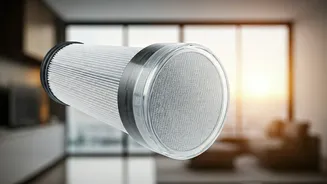
Air purifiers use various technologies to clean the air. High-Efficiency Particulate Air (HEPA) filters are a common component. HEPA filters trap particles as small as 0.3 microns with 99.97% efficiency. Activated carbon filters are another important feature, especially for removing odors, gases, and volatile organic compounds (VOCs). Some purifiers also include pre-filters to capture larger particles like dust and pet dander, extending the life of the HEPA filter. The combination of filter types, as well as the size and quality of the filters, greatly affects the purifier's ability to remove different pollutants found in NCR homes. Furthermore, the Clean Air Delivery Rate (CADR) value, which indicates how quickly the purifier cleans a room, is an important factor. Choosing a purifier with appropriate CADR for your room size is crucial for getting effective results.
Purifier Efficiency Factors
Several factors influence the actual performance of an air purifier in a typical NCR home. Room size is one. A purifier’s effectiveness decreases if the room is larger than its designed capacity. The amount of pollutants also plays a crucial role. Areas with high levels of pollution, such as those prevalent during specific seasons in the NCR, place more strain on the filters, leading to the need for more frequent replacements. Air sealing of a room is also important, as poorly sealed windows and doors allow unfiltered air to seep in, reducing the purifier's effectiveness. The placement of the purifier matters too. Positioning it strategically can improve its performance. Regular maintenance, including filter replacement, is critical for sustained performance. Neglecting these aspects can significantly reduce the benefits provided by the purifier, even the ones costing Rs 13,499.
Realistic Expectations
Setting realistic expectations about what an air purifier can achieve is important. An air purifier can help reduce exposure to pollutants and improve indoor air quality. However, it is not a complete solution. It may not eliminate all health risks associated with the high levels of air pollution found in NCR homes. Relying on an air purifier alone does not negate the need for other protective measures, such as avoiding outdoor activities during peak pollution times or implementing lifestyle changes. It is important to view the purifier as one part of a multi-faceted approach to improve air quality and protect health. Understanding its limitations helps users make informed decisions about their overall strategy to mitigate the impact of air pollution on their well-being.
Making the Right Choice
Choosing the right air purifier involves careful consideration. Research different models and compare their features and performance metrics, such as CADR and filter types. Check user reviews and seek recommendations. Ensure the purifier is sized appropriately for the room it will be used in. Consider the types of pollutants you want to target (e.g., dust, allergens, VOCs) and select a purifier with the appropriate filters. Be aware of the long-term costs of filter replacement, which can add up over time. Evaluate factors like noise levels and energy consumption. Before purchasing, carefully weigh the benefits against the cost, especially considering the specific context of the NCR and its air quality challenges. Do not get swayed by marketing language, do thorough research to ensure the device is suitable for the environment.