


Summer's Toll on Hair
The sweltering Indian summer presents a unique set of challenges for our hair. Increased heat triggers more sweat and oil production on the scalp, creating
a breeding ground for irritation when mixed with everyday dirt and pollution. This scalp environment can weaken hair roots over time, leading to increased shedding. Adding to the problem are the harsh UV rays that strip moisture from hair strands, damaging the outer protective layer. This loss of moisture makes hair brittle and prone to breakage. Furthermore, factors like hard water, chlorine from swimming pools, the habit of tying wet hair, excessive heat styling, dehydration, and restrictive diets all contribute to the overall decline in hair health during these months. Therefore, summer hair fall is often a dual concern, impacting both the scalp's condition and the hair's structural integrity, requiring targeted solutions for each.
The Role of Hair Oils
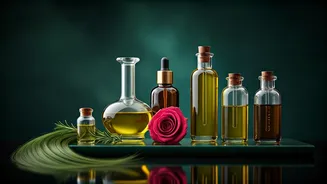
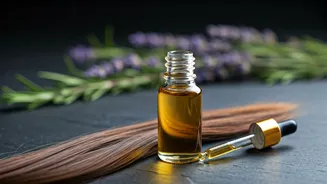
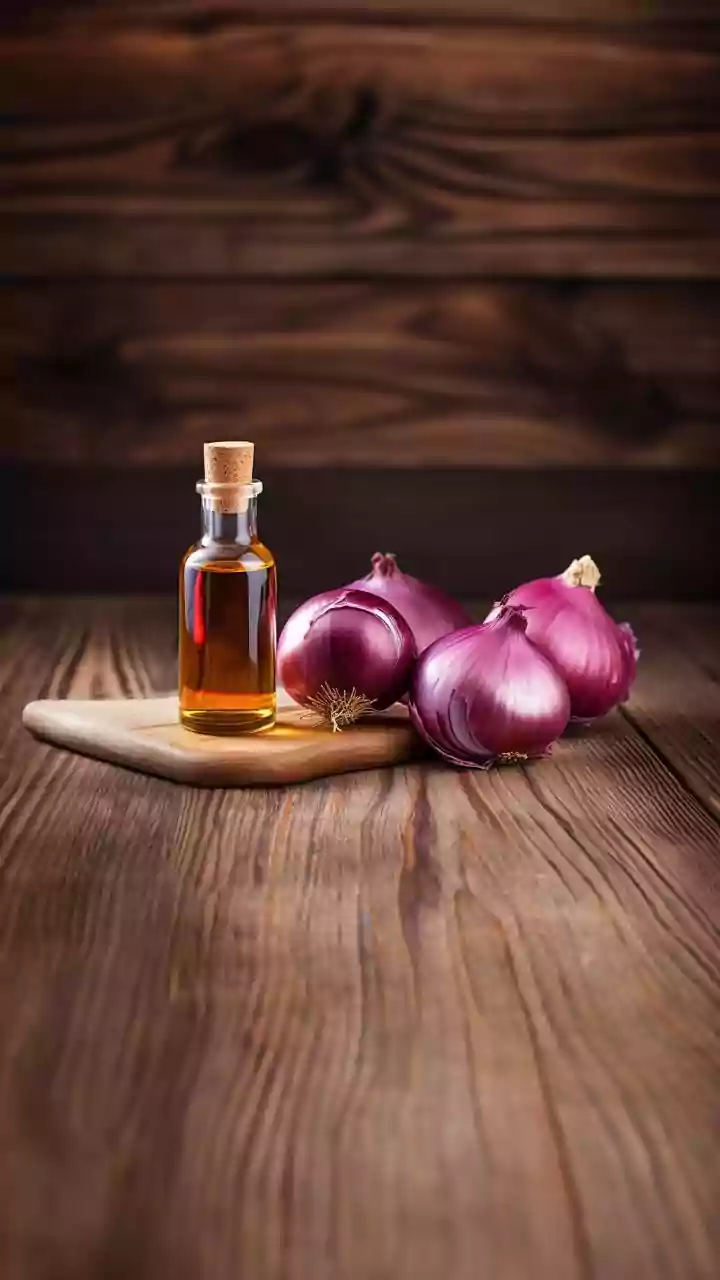
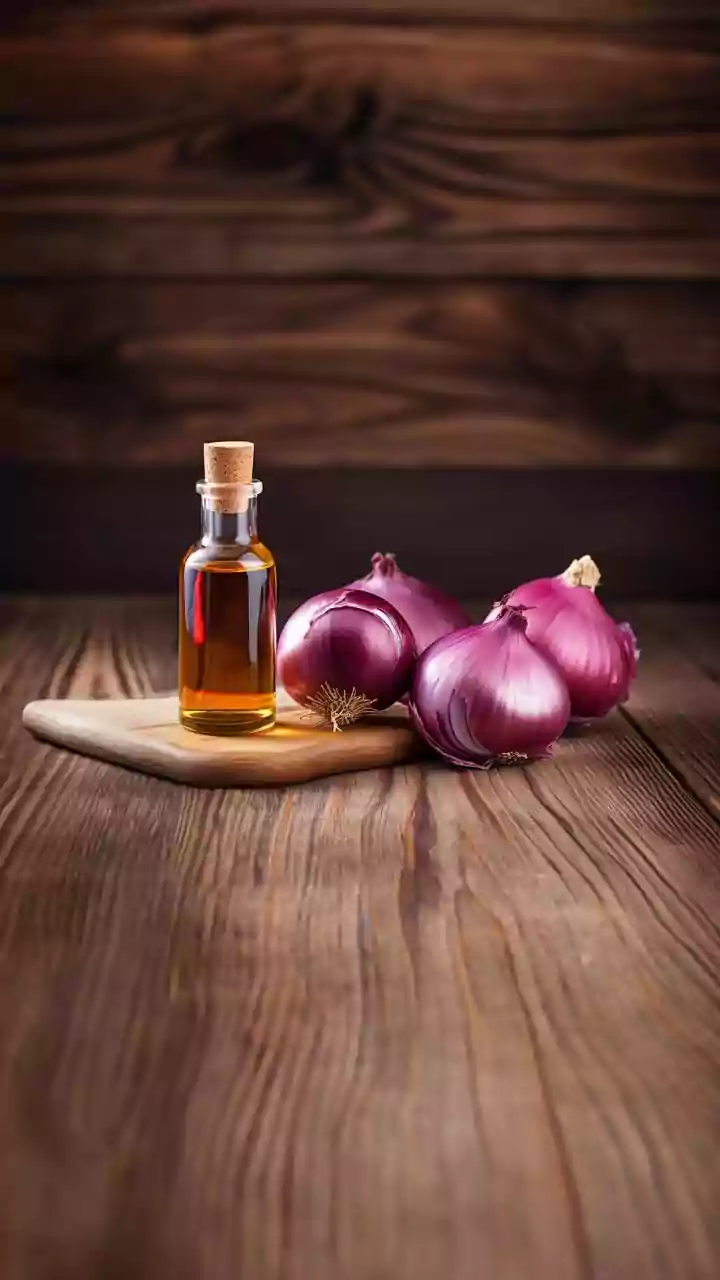
Hair oiling, a deeply ingrained practice in Indian culture, offers significant benefits when approached correctly. Its primary function is to nourish the scalp, fostering a healthier environment for hair growth. The act of massaging oil into the scalp enhances blood circulation, which can stimulate follicles. Oiling also combats dryness, a common summer issue, and helps prevent protein loss from the hair shafts. Certain oils possess anti-inflammatory properties that can further soothe the scalp and strengthen hair roots. Coconut oil, a favorite in India, is particularly effective because it penetrates the hair shaft, mitigating protein damage. A light application before shampooing can leave dry, weak hair feeling more supple and resilient. While oils like bhringraj, rosemary, almond, and onion are popular for addressing hair fall, it's crucial to avoid over-oiling. Excessive oil in summer can clog pores, attract dirt, aggravate dandruff, and lead to a greasy scalp, potentially worsening irritation in humid conditions. Dermatologists now recommend lighter, shorter oiling sessions, perhaps 30-45 minutes before washing, rather than leaving heavy oils on for extended periods, especially in humid weather.
Conditioner's Protective Power
Conditioner addresses hair concerns from a different angle than oil, focusing its benefits on the hair strands themselves rather than the scalp. In summer, the heat causes the outer cuticle layer of the hair to lift, leading to dryness, roughness, tangles, and an increased susceptibility to breakage. Many individuals mistake this strand breakage for actual hair fall. Conditioners work by smoothing down this lifted cuticle layer, restoring the hair's outer surface. This smoothing action locks in essential moisture, reduces frizz, softens the hair, and makes the strands less likely to snap when brushed or combed. For those who shampoo frequently during summer due to sweat, conditioner becomes indispensable for preventing hair from becoming brittle. A common misconception is that conditioner causes hair fall because loose strands are noticed during rinsing; however, these hairs were typically already detached. In reality, regular conditioning helps prevent breakage. It is particularly beneficial for curly, chemically treated, colored, wavy, or long hair that is frequently exposed to the sun.
Achieving Hair Balance
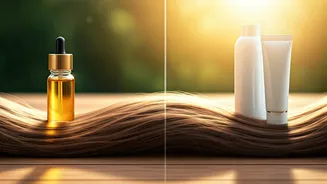
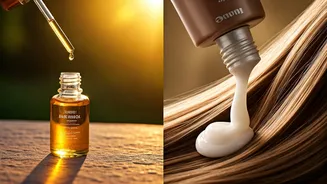
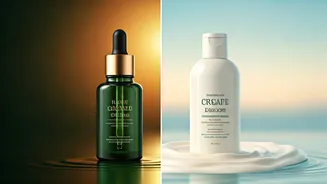
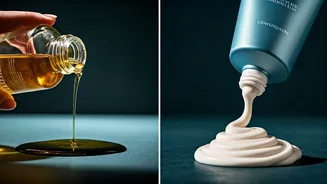
Ultimately, neither hair oil nor conditioner can single-handedly resolve summer hair fall; they address distinct issues. Hair oil primarily supports scalp health by nourishing and stimulating it, while conditioner focuses on protecting the hair length and texture, preventing breakage. If your primary concern is a dry, itchy, or flaky scalp, light oiling might be more beneficial. Conversely, if your hair feels rough, tangles easily, and breaks during combing, conditioner is likely the more critical component. Most individuals will benefit most from a combination of both, applied judiciously. A balanced summer hair care routine involves light oiling once or twice weekly, using a gentle shampoo suitable for your scalp, applying conditioner after every wash, minimizing heat styling, protecting hair from the sun, staying hydrated, and consuming a nutrient-rich diet. It's also vital to remember that internal factors like low iron, stress, poor sleep, and dehydration play a significant role in hair fall, and no topical treatment can fully compensate for an unhealthy body. Opt for lightweight oils like coconut, rosemary, bhringraj, almond, or argan, and lightweight hydrating conditioners with ingredients like keratin, argan oil, shea butter, or hyaluronic acid, applied only to the lengths of the hair.
Summer Hair Blunders
Avoiding common mistakes is key to managing summer hair fall effectively. One prevalent error is heavy, overnight oiling during peak summer heat, which can trap sweat and exacerbate scalp issues like dandruff or irritation. Another significant oversight is skipping conditioner entirely; many still view it as an optional luxury, unaware that summer heat strips moisture from all hair types. Overly aggressive shampooing, especially daily use of harsh shampoos to combat sweat, can strip the scalp of its natural oils and further damage hair texture. Tying hair too tightly while wet is also detrimental, weakening roots and increasing breakage during humid weather. Lastly, inadequate scalp cleansing allows sweat buildup, potentially leading to fungal infections and dandruff. Recognizing and rectifying these common blunders is crucial for maintaining healthier hair throughout the summer months.