






Why Start Slow?
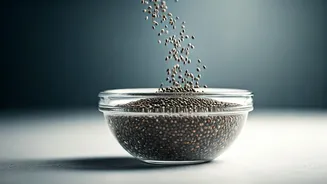
Chia seeds are nutritional powerhouses, lauded for their abundant fiber content which is crucial for digestive health and overall well-being. However,
consuming them without a proper acclimation period can lead to digestive distress, characterized by unwelcome gas and bloating. This occurs because the gut bacteria, especially if accustomed to a low-fiber diet (around 10-15g daily), may struggle to efficiently ferment the significant amount of fiber present in chia seeds. For instance, just two tablespoons of chia seeds can contain as much as 34g of fiber. Introducing such a large quantity abruptly forces these microbes to work overtime, leading to increased gas production. The key takeaway is that the discomfort isn't an inherent flaw of the seeds themselves, but rather a temporary mismatch between your gut's current microbial population and the sudden influx of fermentable material. Therefore, a measured approach is essential for your digestive system to adapt.
Gradual Integration Strategy
To successfully incorporate chia seeds into your diet without experiencing gastrointestinal discomfort, a progressive introduction is paramount. As recommended by health professionals, begin with a minimal daily serving, such as one teaspoon. This small amount allows your digestive system and its resident microbes to gently adjust to the increased fiber load. Over a period of one to two weeks, or potentially longer based on individual response, you can gradually increase the quantity, working up to a more substantial serving of one to two tablespoons per day. This phased approach gives your gut bacteria ample time to adapt their fermentation processes, ensuring a smoother digestive experience. It's about building tolerance incrementally, rather than overwhelming your system. This mindful strategy ensures you can enjoy the multitude of benefits chia seeds offer without the negative side effects.
Hydration and Preparation
A critical aspect of consuming chia seeds, often overlooked, is their remarkable ability to absorb liquid. These tiny seeds can soak up an astonishing 10 to 12 times their weight in water, forming a gel-like consistency. This property necessitates a conscious effort to increase fluid intake alongside chia seed consumption. Failing to do so can paradoxically lead to constipation, as the seeds may draw water from intestinal tissues, exacerbating the issue instead of resolving it. A practical guideline is to consume at least 8 to 10 ounces of water for every tablespoon of chia seeds eaten. Additionally, grinding chia seeds before consumption can further aid digestion. When the seeds are ground, their nutrients become more accessible, and their fiber is easier for your gut bacteria to process, potentially reducing the likelihood of digestive upset and enhancing nutrient absorption.
Individual Tolerance Factors
While generally well-tolerated, it's important to recognize that individual responses to chia seeds can vary, particularly for those with sensitive digestive systems or conditions like Irritable Bowel Syndrome (IBS). Even at recommended low FODMAP doses (two tablespoons), some individuals may experience adverse effects. This is because the soluble fibers in chia seeds can form a gel, which, for some IBS sufferers, especially those with diarrhea-predominant IBS (IBS-D) or visceral hypersensitivity, can lead to increased intestinal distension. This distension might trigger symptoms like bloating and a feeling of fullness, despite the seeds technically being considered low FODMAP. Therefore, listening to your body and testing your personal tolerance with small amounts, like a teaspoon, before gradually increasing intake is the most prudent approach. This personalized strategy ensures you can reap the benefits without compromising your digestive comfort.