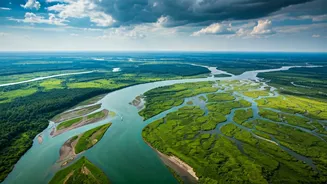






A Riverine Wonderland
In the vast and diverse landscape of India, one district stands out as a true marvel of nature, distinguished by an almost unbelievable abundance of waterways.
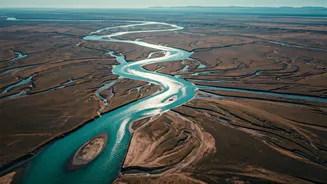
This particular region is home to an astonishing count of 97 rivers, a statistic so remarkable that it often stumps even those with a deep understanding of Indian geography. This extraordinary concentration of rivers is not merely a curious fact; it signifies a unique ecological and hydrological characteristic that shapes the land, its people, and its livelihood. The sheer volume of water flowing through this district suggests a complex geological history and a pivotal role in the regional water cycle. Understanding the existence of such a river-dense area prompts questions about its formation, the types of rivers present, and the impact this has on the local ecosystem and human settlements. It's a testament to the intricate and varied geography found within India.
Geographic Uniqueness Explained
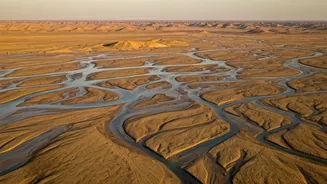
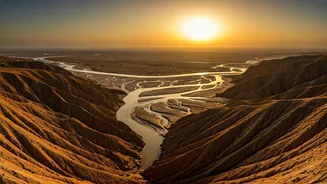
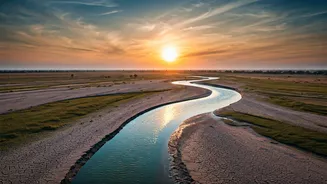
The exceptional density of rivers in this district can be attributed to a confluence of geographical factors. Often, such a phenomenon is the result of a combination of specific topographical features, climatic patterns, and geological formations. A region might be situated in an area with high rainfall, fed by monsoon systems that create a constant influx of water. Furthermore, the underlying geology could be such that it facilitates the formation of numerous river channels, perhaps due to porous soil or a series of natural depressions and valleys that guide water flow. The presence of significant tributaries and sub-tributaries feeding into larger river systems can also contribute to a high river count. This intricate network of waterways is not accidental but a direct consequence of the land's natural architecture and its interaction with atmospheric and hydrological forces. The specific geological composition of the area likely allows for easier erosion and the creation of these extensive riverbeds, making it a truly unique hydrographic zone.
Impact on Life
The presence of 97 rivers profoundly influences the life and culture within this district. Water is the lifeblood of any community, and in a region so richly endowed, its impact is magnified. Agriculture forms the backbone of the local economy, and the abundant rivers provide essential irrigation, supporting a variety of crops and ensuring food security. Fishing is likely another significant source of sustenance and income for many residents. Beyond economic aspects, the rivers often play a crucial role in transportation, connecting remote villages and facilitating trade. They are also deeply embedded in the cultural fabric, influencing local traditions, folklore, and religious practices. However, such a high concentration of water bodies also presents challenges, including the risk of floods and the need for robust water management strategies. The constant flow of water shapes the landscape, creating fertile plains and influencing the biodiversity of the region. It's a symbiotic relationship where the rivers nurture the land and its inhabitants, while the community, in turn, learns to live with and manage this abundant natural resource.