







Winter's Painful Impact
As temperatures plummet, many experience an increase in joint and muscle discomfort, often dismissing it as temporary stiffness. However, this seasonal
ailment can be more significant than it appears, especially in regions like Northern India where intense cold waves are common. Cities such as Delhi, Gurgaon, Chandigarh, and Lucknow have witnessed a notable rise in reported cases of joint and muscle pain, affecting both younger individuals and the elderly. This isn't just about the cold; aggravated air pollution, particularly high levels of PM2.5, intensifies pain, stiffness, and inflammation for those with pre-existing conditions like osteoarthritis and rheumatoid arthritis. Understanding the underlying physiological changes is key to managing this winter-specific discomfort and preventing it from affecting daily life and overall well-being.
The Science of Stiffness
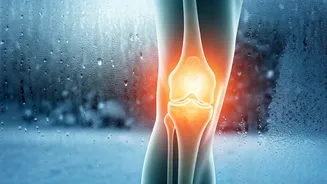
Dr. Abhishek Samuel, an orthopaedic expert, explains the physiological mechanisms behind winter-induced pain. When exposed to cold, blood vessels constrict, a process known as vasoconstriction. This significantly reduces blood flow to muscles and joints in the extremities, leading to increased stiffness and diminished flexibility. Furthermore, the synovial fluid, crucial for lubricating joints, becomes more viscous or thicker in colder temperatures. This increased viscosity hinders smooth joint movement, amplifying any existing discomfort and making movements feel more laborious and painful. Consequently, prolonged exposure to frigid conditions causes muscles to tighten considerably and exacerbates chronic orthopaedic issues, often catching individuals off guard with sudden pain that disrupts their daily routines and diminishes their quality of life, leading to reduced mobility.
Vulnerable Populations
While anyone can feel the chill in their joints during winter, certain groups are far more susceptible to severe pain and injury. The elderly, due to age-related wear and tear on their joints, are particularly at risk. Individuals with a history of joint injuries, those who have undergone joint replacements, and people suffering from chronic conditions like osteoarthritis (OA) and rheumatoid arthritis (RA) face amplified discomfort. Surprisingly, fitness enthusiasts also find themselves in a higher risk category. Regular gym-goers, runners, and yoga practitioners may experience increased muscle tightness and reduced flexibility in low temperatures, making them more prone to strains and sprains. Without proper preventive measures, these seemingly minor issues can escalate into more serious long-term musculoskeletal problems and chronic pain.
Preventive Orthopaedic Aids
To combat the heightened risk of musculoskeletal pain during winter, individuals susceptible to such issues, along with fitness enthusiasts, are strongly advised to incorporate orthopaedic aids into their routine. These aids, including shoulder supports, elbow supports, binders, ankle and wrist wraps, and lumbar belts, serve as vital preventive tools. They offer essential external support, contributing to improved overall joint alignment and significantly reducing undue stress on muscles and ligaments during physical activity. For those with existing musculoskeletal disorders, these aids play a crucial role in stabilizing vulnerable joints, thereby minimizing the risk of overuse injuries, particularly during harsh cold waves and periods of increased pollution.
Staying Mobile and Healthy
With evolving weather patterns and persistent pollution, addressing musculoskeletal stress proactively remains paramount for maintaining mobility and a good quality of life across all age groups. By adopting a conscious approach to joint care during the winter months, individuals can ensure that the cold season doesn't become an obstacle to their daily activities or fitness regimes. Prioritizing joint health through consistent care and utilizing appropriate support can help individuals continue their routines without compromise, ensuring their musculoskeletal system remains robust and functional throughout the colder periods. Early intervention and awareness are key to a pain-free and active winter.