




A Culinary Journey Begins
Punjabi cuisine is known for its rich flavors and generous use of spices, offering a culinary experience that is both satisfying and memorable. The heart
of Punjabi cooking lies in its simplicity and fresh ingredients. The use of ghee (clarified butter), butter, and cream is common, contributing to the dishes' characteristic richness. This cuisine features a wide array of vegetarian and non-vegetarian dishes, each reflecting the diverse agricultural landscape of the Punjab region. From the bustling streets of Amritsar to the rural farmlands, Punjabi food is a celebration of life, community, and the love of good food. The dishes often reflect the festive spirit of the region. Many Punjabi recipes have been passed down through generations, ensuring the traditions and flavors continue to flourish. With a focus on bold spices and robust flavors, Punjabi cuisine is loved not only in India but also worldwide. Preparing these dishes at home is a great way to experience this cultural richness firsthand.
Iconic Dishes Unveiled
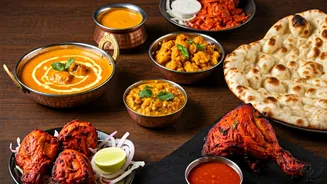
This selection of 17 recipes showcases the best of Punjabi cuisine. Begin with the world-renowned Butter Chicken and Dal Makhani, dishes that have become synonymous with the region's culinary excellence. Butter Chicken, with its creamy tomato-based sauce and tender chicken pieces, is a dish that is loved worldwide. Dal Makhani, a rich lentil dish, simmered overnight for maximum flavor, is another culinary masterpiece. Next up is Chole Bhature, a hearty combination of spicy chickpea curry (chole) and fluffy fried bread (bhature), perfect for a satisfying meal. For vegetarians, there is Palak Paneer (spinach and cheese) and Aloo Gobi (potato and cauliflower), each offering a blend of flavors and textures. The tandoori dishes, such as Tandoori Chicken and Chicken Tikka, are marinated in yogurt and spices before being cooked in a tandoor (clay oven), giving them a unique smoky flavor. Explore the various types of parathas, from the classic Aloo Paratha (potato-stuffed flatbread) to the more complex Lachha Paratha. These dishes are best enjoyed with a dollop of butter or a side of yogurt.
Spice and Flavor Guide
The secret to authentic Punjabi cooking lies in the skillful use of spices, each adding a unique dimension to the dishes. Garam masala, a blend of various ground spices like cardamom, cinnamon, cloves, and mace, is a staple. Turmeric is added for its color and health benefits. Coriander and cumin add earthy notes. Red chili powder is used to give heat, and Kashmiri chili powder provides a vibrant red color. Ginger and garlic are frequently used as a base, enhancing the depth of flavor. The use of asafoetida (hing), in small quantities, adds a distinct aroma and taste. Mustard oil is often preferred for cooking, as it brings a unique taste to the food. The quality and freshness of the spices greatly impact the final taste. The dishes always aim to balance the heat, sweetness, sourness, and saltiness, offering a well-rounded and harmonious culinary experience. Learning to use spices correctly can transform simple ingredients into extraordinary dishes.
Tips for Success
To make perfect Punjabi food at home, start with good quality ingredients. Fresh produce, high-quality spices, and the right type of fats make a big difference. Many recipes call for fresh ginger, garlic, and onions, so make sure these are readily available. Follow the recipes carefully, especially when it comes to the spices and cooking times. Don't be afraid to adjust the heat level to suit your taste. If you're new to Punjabi cooking, start with simpler recipes before attempting more complex ones. Consider using a pressure cooker for lentils and beans to save time and soften them to the perfect consistency. Mastering the art of making perfect roti and paratha is a journey, so be patient and practice. A well-stocked pantry with essential Punjabi spices and ingredients is a must. Lastly, be prepared to experiment and have fun! Cooking should be enjoyable, and the most important ingredient is your love for the food.
Vegetarian Delights
Punjabi cuisine offers an incredible range of vegetarian dishes, showcasing the versatility of vegetables and spices. Palak Paneer, a rich spinach and cheese curry, is a classic, blending the creaminess of paneer with the earthy flavor of spinach. Aloo Gobi, made with potatoes and cauliflower, is another family favorite, spiced with turmeric, coriander, and cumin. Dal Makhani, a slow-cooked black lentil dish, is a vegetarian delight that is rich, creamy, and flavorful. Chole, a spicy chickpea curry, is a staple, typically served with bhature. Baingan Bharta, made with roasted eggplant, is a delicious smoky dish. Vegetable Kofta Curry, which are deep-fried vegetable balls simmered in a rich, creamy sauce, is perfect for special occasions. These dishes, along with a wide variety of vegetable curries and sides, offer an array of vegetarian choices. Punjabi vegetarian cuisine is a feast for the senses.
Non-Vegetarian Favorites
For meat lovers, Punjabi cuisine presents some of the most sought-after dishes. Butter Chicken, with its tender chicken pieces swimming in a creamy tomato sauce, is a global sensation. Chicken Tikka Masala, marinated chicken pieces cooked in a rich, spiced gravy, is another hugely popular dish. Tandoori Chicken, marinated chicken cooked in a clay oven, is a smoky delight. Rogan Josh, a lamb curry flavored with Kashmiri spices, is a rich and aromatic dish. Fish Amritsari, spiced fish, is a popular seafood choice. Keema Matar, minced meat with peas, is a flavorful dish. These non-vegetarian dishes, usually accompanied by fragrant rice or naan, are a celebration of Punjabi cooking skills and offer bold, unforgettable flavors.
Bread and Accompaniments
Punjabi meals are often accompanied by a variety of breads, rice, and sides, creating a complete and satisfying culinary experience. Naan, a soft leavened flatbread, is a staple, often cooked in a tandoor. Roti, a simple unleavened flatbread, is another popular choice. Parathas, stuffed flatbreads, are a delicious addition, with Aloo Paratha (potato-stuffed paratha) being a favorite. Bhature, fluffy fried bread, is generally served with Chole. Rice is commonly served, with fragrant Basmati rice or Jeera rice being popular choices. Raita, a yogurt-based side dish with vegetables, is commonly used to cool down the palate. Pickles and chutneys are also an important part of a Punjabi meal, adding a burst of flavor to the dishes. These accompaniments not only complement the main dishes but also enrich the overall taste.
Sweet Endings
No Punjabi meal is complete without a sweet treat to round off the experience. Gulab Jamun, deep-fried milk balls soaked in syrup, are a classic. Gajar ka Halwa, a carrot pudding, is another favorite, especially during the winter months. Kheer, a creamy rice pudding, provides a comforting end to the meal. Jalebi, a deep-fried spiral-shaped sweet dipped in sugar syrup, is a popular street food and dessert. Barfi, a dense milk-based sweet, comes in a variety of flavors. These sweet dishes, with their rich flavors and textures, serve as the perfect conclusion to a delicious Punjabi meal, leaving a lasting impression on the palate. The use of ghee, nuts, and cardamom often contributes to the desserts' rich and aromatic flavors.
Beyond the Recipes
Punjabi cuisine is more than just recipes; it's a way of life, reflecting the region's rich culture and heritage. It celebrates togetherness and communal dining. The preparation and sharing of food is often a family affair, where recipes are passed down. Punjabi meals are often large and meant to be shared, encouraging a sense of community. The use of fresh, locally sourced ingredients is also key. The vibrant flavors of Punjabi food reflect the joyous spirit of the region and the warmth of its people. To truly experience Punjabi cuisine, consider exploring local markets, interacting with Punjabi cooks, and, above all, enjoying the experience with friends and family. This food is a delightful mix of flavors, textures, and aromas that tell a story of Punjabi culture.
Final Thoughts and Enjoy!
Punjabi cooking is an art that requires love, patience, and a willingness to explore. The 17 recipes outlined here are just a starting point. Feel free to adapt them to your preferences. The most important thing is to enjoy the journey of cooking and savoring the delicious results. Use these recipes as a guide to delve into the flavors of Punjabi cuisine. Embrace the traditions, experiment with spices, and make these dishes your own. Whether you're making a simple meal for one or hosting a grand feast, the essence of Punjabi food is about sharing good food and good times. Happy cooking, and bon appétit!