




Foundation: Flavor Fundamentals
The cornerstone of excellent cooking lies in a strong grasp of fundamental flavor principles. Begin with the careful selection of high-quality ingredients.
Fresh produce, carefully chosen meats, and flavorful spices create the basis for a successful dish. Once you have acquired your ingredients, the next crucial step is mastering basic cooking techniques like sautéing, grilling, and braising. These techniques, when executed correctly, enhance flavors. Do not be afraid to experiment with the combinations of flavors. The best chefs understand how to balance tastes to create a symphony of deliciousness. Acidity, sweetness, saltiness, and bitterness, when combined correctly, make a harmonious flavor. Cooking is both a science and an art, and understanding how flavors interact will take your cooking to new heights.
Spice Rack Secrets
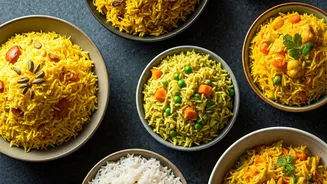
Spices are the heart of flavor, giving your dishes a distinctive personality. Begin by organizing your spice rack to see what you have, making it easier to select ingredients. Spices should be stored in airtight containers away from heat and light to retain their potency. Explore the world of spices. Cumin, coriander, and turmeric are commonly used in Indian cuisine. When it comes to using spices, a little knowledge goes a long way. Experimenting with different flavor combinations is essential. Consider the timing when you add spices. Roasting spices can bring out their rich aromas. Spices can transform your food into flavorful, mouthwatering dishes. They add depth, complexity, and that special touch, taking your food from ordinary to extraordinary.
Mastering The Techniques
Techniques are essential when cooking. Start with knife skills, which influence both the appearance and the cooking time of the ingredients. Precision in cutting means more consistent cooking. Learn about the process of sautéing, which involves quickly cooking food in a pan over medium-high heat. Grilling brings out the natural flavors of the food. Braising involves browning food and simmering it slowly in liquid. Don't be afraid to experiment. Each technique opens a new world of possibilities. Embrace the challenge of learning and applying these techniques, and you'll find that your cooking skills grow and create some really amazing meals.
Ingredient Selection
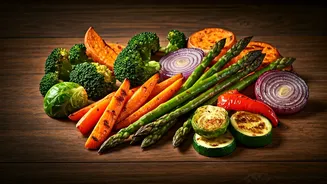
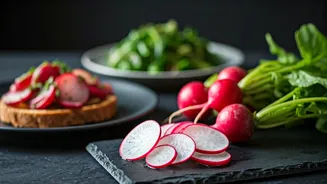
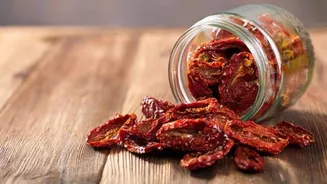
The quality of your ingredients directly influences the final outcome of your dishes. Begin by choosing the freshest produce available, opting for vibrant colors and robust aromas. Seasonal fruits and vegetables often have the best flavor. Meats and seafood should be sourced from reliable providers, looking at color and smell to assess freshness. Reading labels and understanding the ingredients is also important. Knowing where ingredients come from will assist in selecting the best option. Embrace quality ingredients, and you'll discover that even the simplest dishes taste fantastic. Pay attention to how the ingredients work together to create a harmony of flavors. High-quality ingredients are the foundation of great cooking.
Recipe Adaptations
Adapting recipes to suit your preferences and what you have available is a key skill. The goal is to personalize each meal, ensuring that it is unique and tasty. Begin by reading the entire recipe and understanding the procedure. Then, evaluate the ingredients. Think about possible swaps. Experimenting with herbs, spices, and other flavorings can customize a dish. Modifying a recipe can be a great way to use up surplus ingredients. Keep a record of your changes, so that you know what works. Recipes aren't set in stone. Don't be afraid to try new things and make the dishes your own. Recipe adaptation is an important skill.