





Embracing Diverse Approaches
The field of education is experiencing a significant shift away from traditional, standardized methods. Previously, learning was largely confined to classrooms,
with a singular teacher lecturing to a group of students. Today, a multitude of approaches are used, each designed to cater to different learning styles and needs. These include project-based learning, where students engage in in-depth investigations; experiential learning, which emphasizes hands-on activities; and personalized learning, which tailors education to the individual student. Furthermore, blended learning models are gaining traction, that mix in-person classroom time with online instruction. This flexibility allows for a more comprehensive and engaging educational experience. These diverse strategies empower learners to become active participants in their education, fostering critical thinking, problem-solving, and collaboration skills, which are all vital for navigating the complex challenges of the 21st century.
Technology's Transforming Influence
Technology is revolutionizing every part of the education system, impacting how students learn and how teachers teach. The proliferation of digital devices, from tablets to laptops, gives learners access to a wealth of information, from digital libraries to interactive simulations. Online learning platforms offer courses, virtual classrooms, and educational resources on demand. These tools allow for anytime, anywhere learning, breaking down geographical barriers and making education accessible to a wider audience. Moreover, technology is enabling personalized learning experiences, with algorithms that assess a student's strengths and weaknesses and offer tailored content and support. This technology-driven evolution also presents challenges, such as the digital divide and the need for digital literacy, which are key for students to effectively engage with these tools. As technology continues to develop, it's clear that it will continue to play a central role in shaping the future of education, changing the learning process, and expanding the accessibility of educational opportunities.
Skills for Tomorrow's World
The modern job market demands a new set of skills, and education systems are working to prepare students for these demands. Along with core subjects like mathematics and science, emphasis is on developing critical thinking, problem-solving, and creativity. Communication and collaboration skills are also essential, as the workplace becomes increasingly interconnected and team-oriented. Digital literacy is a non-negotiable requirement, encompassing the ability to use technology tools effectively, evaluate information, and adapt to emerging technologies. Moreover, many educational programs are also focusing on social-emotional learning, which helps students to manage their emotions, build relationships, and make responsible decisions. To thrive in the evolving job landscape, students should also continue to nurture adaptability and lifelong learning habits. Education is no longer a one-time event, but an ongoing process of acquiring knowledge and skills, allowing people to adapt to change and seize opportunities.
Exploring Different Models
The conventional school model is only one of many approaches being used in the world of education. Alternative models include homeschooling, which gives parents more control over their children's learning, and charter schools, which offer specialized programs. Furthermore, the concept of vocational education and apprenticeships is experiencing a resurgence, providing learners with hands-on training and career-specific skills. Community colleges and online universities are also broadening access to higher education, allowing adults to pursue degrees or acquire new skills while balancing work and family responsibilities. Another innovative approach is micro-credentialing, where learners earn certificates for specific skills or competencies. These different models show that education is adaptable, and there is an increased need to meet the varied requirements of learners. Each model has its own strengths and weaknesses, and the best choice depends on a student's individual needs, interests, and aspirations. These diverse models also help foster competition and innovation within the education sector, driving improvements and better outcomes for all learners.
Lifelong Learning's Significance
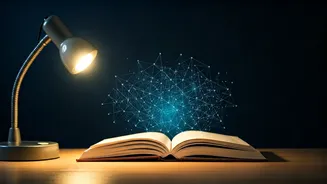
In today's fast-changing world, education does not cease after completing formal schooling. The idea of lifelong learning is essential, meaning a commitment to continuously acquiring knowledge, skills, and values throughout your life. This commitment encompasses many activities, including formal education, such as pursuing advanced degrees or taking professional development courses. Also included are informal learning experiences, such as reading books, listening to podcasts, or participating in workshops. Lifelong learning benefits individuals by improving their job prospects, boosting their adaptability, and enhancing their overall well-being. Additionally, it benefits society by promoting innovation, fostering a culture of curiosity, and ensuring a skilled and adaptable workforce. For those in India, lifelong learning is especially important, given the rapid economic growth and technological progress in the region. By embracing a mindset of lifelong learning, students can stay up-to-date with current trends, navigate career changes, and stay active and engaged members of their communities. It's a continuous journey of discovery and growth.