


Slime's Silken Touch
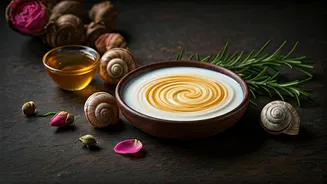
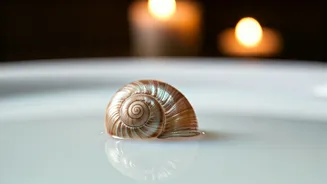
Long before sophisticated serums, ancient beauty enthusiasts embraced snail mucus for its remarkable skin benefits. Unlike today's refined snail mucin
extracts, early users would allow live snails to traverse their faces. This gooey secretion is rich in beneficial compounds like peptides, antioxidants, and hyaluronic acid. These elements work synergistically to fortify the skin's natural barrier, deliver profound hydration, and offer significant anti-aging effects, proving that nature's remedies can be profoundly effective, even in their most unadulterated forms.
Unusual Animal Extracts
Ancient skincare routines weren't always about pleasant aromas or delicate textures. In various cultures, the pursuit of beauty involved utilizing animal byproducts, sometimes including excrement, for skin nourishment and exfoliation. Ingredients like crocodile and cow dung, alongside goat and camel milk, were part of these unconventional regimens. While these might seem startling now, many of these animal-derived components, such as milk and honey, continue to be esteemed in modern cosmetics, albeit through more refined extraction and application methods.
Honey's Healing Power
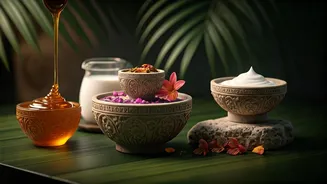
Honey, a practice dating back over 15,000 years, stands out as one of the less outlandish ancient beauty secrets. Applied directly to the skin, it was lauded for its exceptional moisturizing, wound-healing, and antibacterial properties, leading to calmer, clearer, and more hydrated complexions. Although its sticky nature could make application challenging and sometimes painful, especially when used on wounds, its potent antimicrobial qualities made it an unparalleled agent for recovery and skin restoration.
Sheep's Wool Moisture
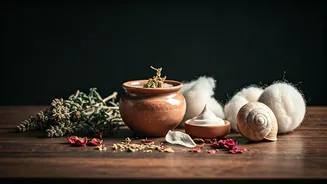
The Romans, for instance, harnessed the power of lanolin, a substance meticulously extracted from sheep's wool. This natural derivative was ingeniously employed as a potent night-time moisturizer. Lanolin excelled at reinforcing the skin's protective layer and providing deep, lasting hydration, resulting in skin that felt supple, protected, and remarkably soft. Despite its less-than-appealing odor, its efficacy in sealing in moisture and maintaining skin barrier integrity was exceptional, and it remains a key ingredient in contemporary lip balms and heavy-duty moisturizers.
Milk Baths for Radiance
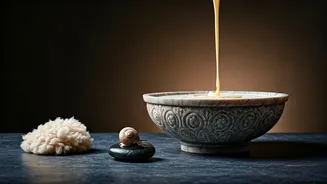
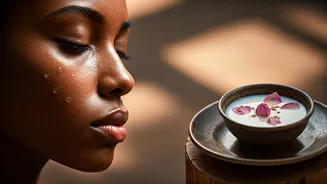
The legendary milk baths of Queen Cleopatra are a testament to milk's cosmetic prowess. By immersing herself in fresh milk, the Egyptian queen maintained skin that was exceptionally smooth, supple, and radiantly glowing. Milk's efficacy stems from its natural lactic acid content, a gentle exfoliant that effectively sloughs away dead skin cells. This process unveils fresher, revitalized skin beneath, bestowing a luminous and healthy complexion over time.