






e-Passport Introduction
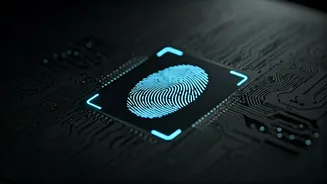
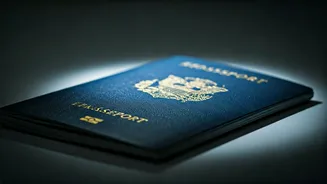
An e-Passport, also known as a biometric passport, is a significant advancement in travel documentation. It includes an embedded microchip containing the
holder's personal data, including biometric information like a digital photograph and, in some cases, fingerprints. The chip uses Radio Frequency Identification (RFID) technology to securely store and transmit this data. This allows for quicker and more efficient processing at immigration checkpoints. The implementation of e-Passports enhances the security of travel documents, making them significantly harder to forge or tamper with, thereby combating identity theft and fraudulent travel.
Enhanced Security Features
e-Passports offer several layers of advanced security features. The embedded chip, coupled with biometric data, makes it very difficult for unauthorized individuals to replicate or manipulate the document. This is because the data stored on the chip is digitally signed and encrypted, protecting it from unauthorized access. The use of biometrics verifies the holder's identity with greater accuracy, reducing the chances of imposters. Additionally, e-Passports include physical security features such as watermarks, holographic images, and special inks that are difficult to counterfeit.
Benefits for Travelers
e-Passports provide significant benefits for travelers, primarily through expedited immigration processes. At many international airports, e-Passport holders can use automated e-gates, which scan the passport and verify the traveler's identity automatically, thereby cutting down on waiting times. Furthermore, the enhanced security features of e-Passports reduce the risk of identity theft and travel fraud, offering peace of mind. They also assist in the broader global effort to improve border security and enhance the efficiency of international travel.
Key Details for Indians
To apply for an e-Passport, Indian citizens should follow the standard passport application process through the Passport Seva Portal. This involves filling out an application form, providing necessary documents (such as proof of identity and address), and paying the required fees. The process may include a biometric data collection, such as a digital photograph and fingerprints, which are securely stored on the e-Passport chip. Applicants should visit the official Passport Seva website or contact their nearest Passport Seva Kendra for accurate instructions and requirements.
Future of Travel
The introduction of e-Passports represents a significant shift towards more secure and efficient international travel. As technology continues to develop, expect e-Passports and their associated systems to advance, with enhancements in security and convenience. This includes the potential integration of even more advanced biometric technologies and increased global collaboration in passport verification, making travel experiences better for everyone. By staying informed about developments in e-Passport technology, travelers can be prepared for the ever-changing landscape of international travel.