


Understanding Sun Tanning
Summer's harsh sun can quickly darken your skin, a natural defense mechanism where your body produces melanin to shield DNA from UV radiation. While a tan
typically fades over three to four weeks as dead skin cells shed, impatience for your natural glow to return is common. Fortunately, you can accelerate this shedding process using readily available, cost-effective ingredients from your own kitchen, bypassing expensive salon treatments and embracing time-tested Indian remedies informed by modern dermatological understanding.
Yogurt's Gentle Exfoliation
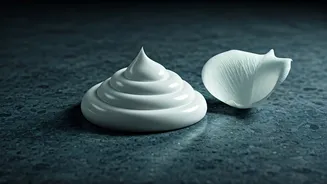
Yogurt, a staple in many Indian kitchens, acts as a gentle yet powerful tan remover thanks to its natural lactic acid content. This Alpha Hydroxy Acid (AHA) works by subtly dissolving the bonds holding dead, pigmented skin cells together. Unlike abrasive scrubs that can cause micro-tears, yogurt’s chemical exfoliation promotes a brighter complexion by lifting away dullness and promoting cellular turnover, making it a cornerstone of natural skin rejuvenation.
Besan: The Dirt Absorber
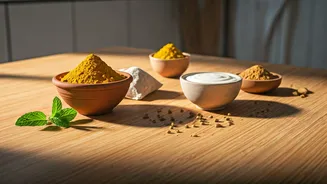
Gram flour, or besan, is a remarkable ingredient, particularly beneficial for skin prone to oiliness and humidity. It offers a mild form of physical exfoliation, effectively sloughing off the uppermost layer of dead skin cells. Simultaneously, besan possesses absorbent qualities, acting like a sponge to soak up excess sebum, leaving your skin feeling clean and refreshed without stripping its natural moisture barrier, which is crucial for maintaining a healthy complexion.
Turmeric's Brightening Power
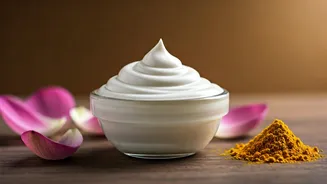
Beyond lending its vibrant colour to dishes, turmeric (haldi) is a potent antioxidant. Its active compound, curcumin, has demonstrated the ability to help regulate excessive melanin production, directly addressing hyperpigmentation. A small, strategically applied amount of turmeric can target darkened areas effectively, offering a natural brightening effect and contributing to a more even skin tone by working at a cellular level to control pigment.
Papaya & Aloe Duo
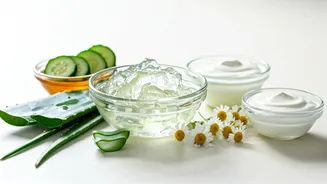
For those with dry or sensitive skin, a combination of ripe papaya and fresh aloe vera offers a soothing solution. Ripe papaya contains 'papain,' an enzyme that gently breaks down inactive proteins and dead skin, providing enzymatic exfoliation without any harsh scrubbing. Aloe vera, known for its cooling properties, also contains 'aloin,' a compound that naturally inhibits melanin synthesis and deeply hydrates, replenishing the skin's barrier and reducing redness.
Tomato's Refreshing Touch
Tomatoes are rich in lycopene, a powerful antioxidant that helps combat ongoing UV damage from sun exposure. They also contain mild natural acids that contribute to their tanning removal properties. A quick application of tomato can act as an excellent astringent, instantly revitalizing a dull or sun-beaten complexion by constricting pores and providing a refreshing boost.
Crafting Your Natural Mask
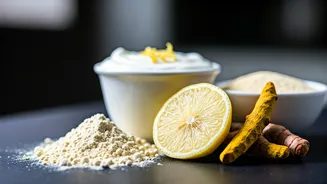
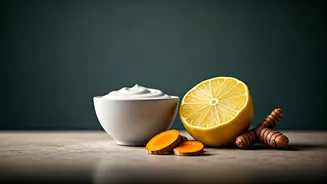
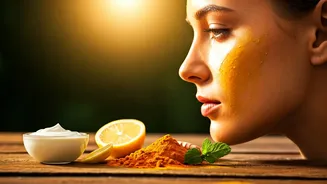
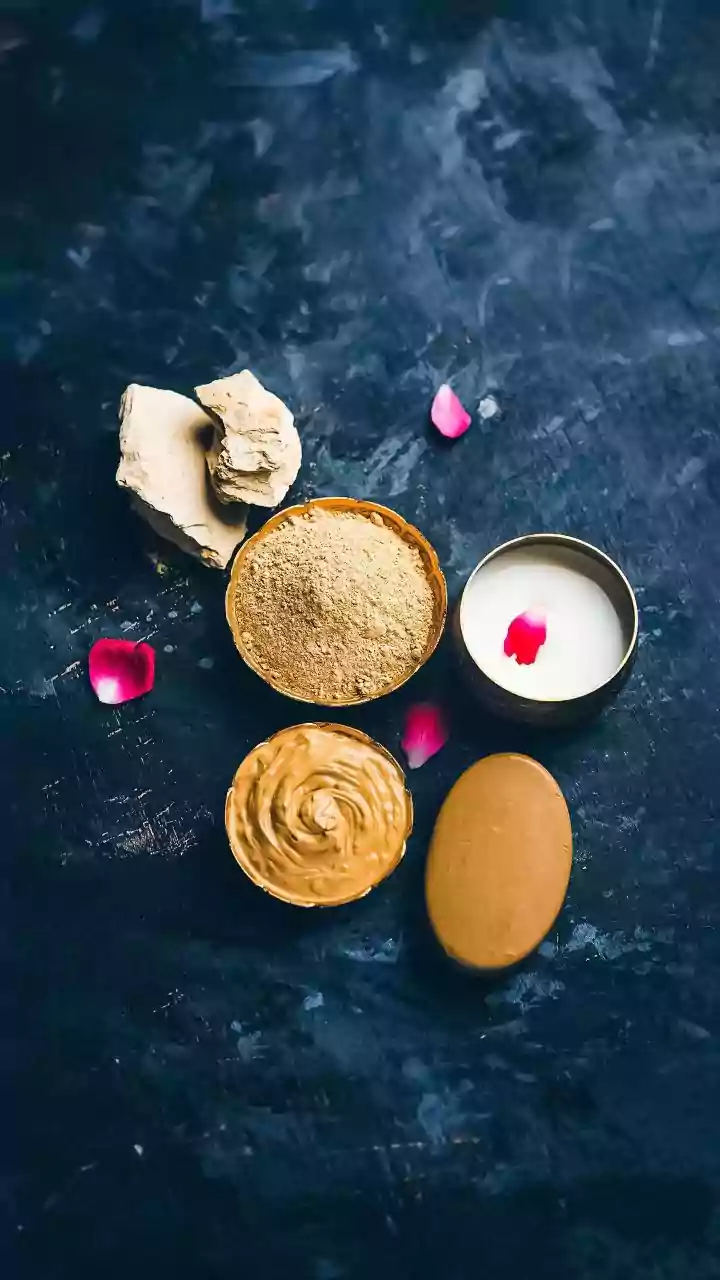
To effectively combat tans, ingredients often work best in harmony. For normal to oily skin, a classic mix involves two tablespoons of besan, one tablespoon of yogurt, and a tiny pinch of turmeric. This blend combines yogurt's chemical exfoliation with besan's physical action and turmeric's brightening power. Sensitive or dry skin types can benefit from mashed ripe papaya mixed with aloe vera gel for a hydrating, enzyme-based treatment that soothes rather than irritates.
The Crucial SPF Protection
Accelerated skin cell turnover, while beneficial for tan removal, leaves your newly exposed skin exceptionally vulnerable. It is imperative to shield this fresh, delicate skin from further sun damage. Failing to apply a broad-spectrum SPF 50 sunscreen after treatment can lead to instant re-tanning or severe sunburn. Prioritize sun protection to allow your skin to heal and maintain the results achieved through natural remedies.