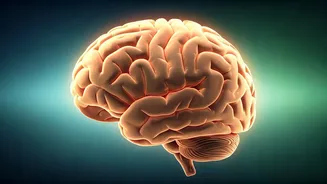







Understanding Stress's Impact
Stress, a natural physiological and psychological response to perceived threats or demands, can significantly affect one's physical and mental health.
The body's reaction to stress involves the release of hormones like cortisol and adrenaline, which can lead to increased heart rate, blood pressure, and heightened alertness. While short-term stress can be beneficial, chronic stress can have detrimental effects. Prolonged exposure to stressors can weaken the immune system, leading to increased susceptibility to illness. Furthermore, chronic stress can contribute to mental health issues such as anxiety and depression. Understanding the sources of stress, whether they are work-related, financial, or interpersonal, is the initial step towards effective management and maintaining a healthy lifestyle.
Identifying Your Triggers
Identifying the specific triggers that provoke stress is a crucial step in managing it. These triggers can be diverse, encompassing a wide range of situations, people, places, and even thoughts. Keeping a stress journal can be immensely helpful in this process; it involves noting down the situations or events that cause stress, along with the emotions and physical sensations experienced. For instance, deadlines at work, financial uncertainties, or strained relationships can be significant triggers. Recognizing these patterns allows for the development of targeted coping strategies. By understanding what sets off stress responses, individuals can proactively prepare for these situations or take steps to minimize their impact, thereby reducing the overall stress levels and increasing the sense of control.
Practicing Relaxation Techniques
Implementing relaxation techniques is a highly effective way to counteract the physical and mental effects of stress. Deep breathing exercises, such as taking slow, deep breaths, can quickly calm the nervous system and reduce feelings of anxiety. Practicing mindfulness, which involves focusing on the present moment without judgment, can also be beneficial in managing stress. Meditation is another powerful tool, offering various forms, from guided meditations to focused awareness exercises, each contributing to a sense of calm and clarity. Regular physical activity, such as yoga or even a brisk walk, can also serve as a form of relaxation, releasing endorphins that naturally boost mood and reduce stress hormones. Incorporating these techniques into daily routines provides accessible methods to manage stress effectively.
Cultivating Healthy Habits
Developing healthy lifestyle habits forms a cornerstone in stress management. A balanced diet, rich in nutrients, plays a vital role in supporting the body's resilience to stress. Regular physical activity helps to release tension, improve mood, and enhance overall well-being. Getting adequate sleep is essential, as sleep deprivation can significantly increase stress levels and impair cognitive function. Creating a structured routine that includes regular mealtimes, exercise sessions, and sufficient sleep promotes stability and reduces stress. Additionally, limiting the consumption of caffeine and alcohol, known to exacerbate stress symptoms, is a helpful step. By establishing these healthy habits, individuals can create a foundation of well-being that helps them cope with daily stressors.
Building Your Support Network
Establishing a strong support network is critical for managing stress and promoting mental health. This network can include friends, family members, or support groups, providing emotional comfort and practical assistance. Sharing experiences and feelings with trusted individuals can lighten the emotional burden associated with stress. Seeking professional help from therapists or counselors is a valuable option, particularly when dealing with persistent or overwhelming stress. Therapy provides strategies and coping mechanisms tailored to individual needs. Joining support groups or connecting with others who share similar experiences can foster a sense of community and reduce feelings of isolation. Cultivating open communication within a supportive environment allows individuals to feel understood and empowered, significantly aiding in stress management.
Setting Realistic Goals
Setting realistic goals and practicing effective time management are fundamental aspects of reducing stress. Breaking down large tasks into smaller, more manageable steps can make goals seem less overwhelming. Prioritizing tasks based on importance and urgency allows for better focus and allocation of time and energy. Utilizing tools like to-do lists, calendars, and organizational apps can streamline workflows and reduce the feeling of being overwhelmed. Learning to say 'no' to commitments that exceed one's capacity is also essential in preventing burnout and maintaining a sustainable workload. By establishing realistic goals and implementing time management techniques, individuals can increase their sense of control and reduce the stress related to work, personal, and other obligations.
Embracing Self-Care Routines
Incorporating self-care into your daily routine is crucial for overall well-being and stress reduction. Self-care involves engaging in activities that nurture the mind, body, and spirit. This could include spending time in nature, pursuing hobbies, or simply relaxing with a book or a favorite activity. Making time for activities that bring joy and relaxation can help to reduce stress and improve mental clarity. Taking regular breaks throughout the day to de-stress is essential. These breaks could involve short walks, meditation sessions, or simply taking a moment to breathe deeply. By intentionally dedicating time to self-care, individuals reinforce their ability to cope with stressors and promote a healthier balance in their lives. The act of self-care provides a buffer against the negative impacts of stress, fostering resilience and emotional well-being.
Challenging Negative Thoughts
Developing the ability to challenge negative thoughts and cognitive distortions is an important element in stress management. Negative thought patterns can exacerbate stress, leading to increased anxiety and a diminished sense of well-being. Cognitive Behavioral Therapy (CBT) and similar techniques offer strategies to identify and change these unhelpful thought patterns. This includes recognizing and questioning thoughts that are overly critical, pessimistic, or unrealistic. Replacing negative thoughts with more balanced and positive ones can significantly reduce stress and improve emotional regulation. Practicing mindfulness helps in observing thoughts without judgment, which further facilitates breaking free from negative thought cycles. Developing the ability to consciously challenge and reframe negative thoughts promotes a more resilient and optimistic outlook, aiding in long-term stress management.