





Dandruff: More Than Just Flakes
Dandruff, a common scalp ailment, manifests as flaking skin within hair and on shoulders. Its origins are diverse, stemming from dry skin, excessive oiliness,
or specific dermatological conditions. This condition can lead to significant itching and discomfort, often causing social embarrassment. Fortunately, effective treatments are available, tailored to the specific cause of the dandruff. For dry skin-related dandruff, scalp moisturization can provide relief. In cases of oily scalp dandruff, specialized medicated shampoos are often recommended. When dandruff is a symptom of a more complex skin condition, a dermatologist's intervention may be necessary. Understanding the various forms of dandruff is the first step towards managing it successfully. The key takeaway is that dandruff rarely presents uniformly; its appearance and underlying causes can vary significantly among individuals.
Identifying Dandruff Types
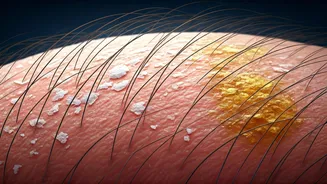
Dandruff presents in several distinct forms, each with unique characteristics. One common type is dry scalp dandruff, characterized by small, white, and often itchy flakes, typically arising from simple skin dryness. In contrast, oily scalp dandruff features larger, yellowish, and greasy flakes, a result of excessive sebum production that can create a favorable environment for fungal growth. Seborrheic dermatitis represents a more severe manifestation, affecting not only the scalp but also the face and chest, presenting with red, inflamed, and intensely itchy flakes. Psoriasis, a chronic skin condition, causes thick, silvery scales on the scalp, accompanied by significant itchiness. Finally, fungal infections of the scalp can also lead to dandruff, often presenting as small, white, and itchy flakes, similar to dry scalp dandruff but with a fungal origin.
Underlying Causes & Triggers
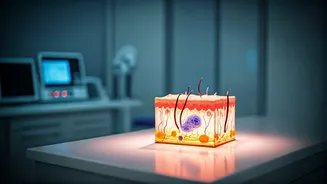
The root cause of dandruff is often linked to Malassezia, a naturally occurring yeast on the scalp. This fungus feeds on scalp oils (sebum), and in some individuals, the scalp reacts adversely to its by-products, leading to inflammation and accelerated skin cell turnover. This results in the clumping of dead skin cells, which become visible as flakes. Triggers that can exacerbate dandruff symptoms include heat and sweat, frequent use of helmets, environmental pollution, product buildup from hair care items, and inconsistent scalp cleansing routines. Understanding these triggers is crucial for developing an effective management strategy that goes beyond just addressing the visible symptoms to tackle the imbalance at the scalp's surface.
Targeted Treatments & Ingredients
Treating dandruff effectively often requires a targeted approach, as standard shampoos may only clean hair shafts without addressing the core issue. For long-term relief, it's essential to look for shampoos containing clinically studied anti-fungal ingredients that specifically combat the Malassezia yeast. Piroctone Olamine is one such ingredient that works directly on the scalp to control fungal growth and correct the microbial imbalance responsible for dandruff. While moisturizing can help with dry scalp dandruff and medicated shampoos are useful for oily types, persistent dandruff necessitates a deeper dive into ingredient efficacy. If dandruff continually recurs, scrutinizing shampoo labels for scalp-care ingredients like Piroctone Olamine, designed to address fungal imbalances at the scalp level, is highly recommended for a healthier, flake-free scalp.