

Mango Selection Essentials
The absolute cornerstone of crafting an exceptional mango pickle lies in the meticulous selection of the right mango variety. For pickling endeavors, specific
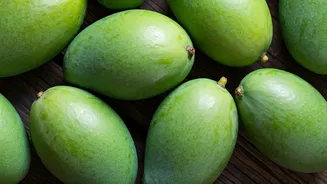
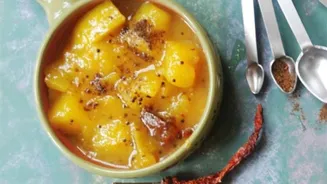
types like Totapuri, Ramkela, and Rajapuri are overwhelmingly favoured by seasoned pickle makers. These varieties possess a robust, firm texture coupled with a pulp that is delightfully free from fibrous strands, characteristics that lend themselves beautifully to the pickling process. Their inherent tartness serves as an ideal canvas, readily absorbing the complex blend of spices that define a great mango pickle. It's paramount to steer clear of mangoes that feel overly soft to the touch or exhibit prominent yellow discolouration, as these signs often indicate ripeness that can lead to premature spoilage of the finished pickle, diminishing its shelf life and overall quality.
Signs of Quality Fruit
Beyond just the variety, several visual and tactile cues can guide you to superior mangoes for pickling. When assessing potential candidates, a gentle press with your fingertips should reveal a mango that is quite firm; overly soft fruits are a red flag. Take a moment to inspect the area near the stem when you are at the market; a tell-tale smell or any sign of leakage can indicate issues with the fruit's freshness or internal condition. The mango's skin should be consistently smooth and boast a deep green hue, signifying it's in prime condition for pickling. Crucially, avoid any mangoes that show signs of being cut, cracked, or have noticeable blemishes, as these imperfections can create entry points for mould and compromise the integrity of your pickle.
Moisture Control Techniques
Maintaining an environment free from excess moisture is a critical, non-negotiable step in ensuring your homemade mango pickle achieves its maximum shelf life. Before any cutting commences, ensure each mango is thoroughly washed and then meticulously dried using a clean cloth. Following this, it's highly recommended to allow the mangoes to air dry completely, either by placing them in direct sunlight for a period or by using a fan. Even the slightest residual moisture can act as a catalyst for spoilage, significantly reducing the longevity of your pickle. This simple yet vital preparation step sets the foundation for a well-preserved condiment.
The Role of Mustard Oil
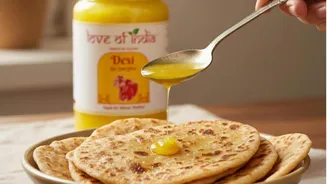
In the traditional preparation of Indian pickles, mustard oil stands out as the oil of choice for its distinctive flavour profile and preservative qualities. However, to enhance its suitability for pickling and temper its inherent pungency, it's essential to heat the mustard oil until it just begins to smoke. This heating process effectively neutralizes the strong odour. After heating, allow the oil to cool down completely to room temperature before incorporating it into your pickle mixture. This step ensures the oil contributes positively to the flavour without overpowering the delicate spices and mango essence.
Salt, Turmeric, and Drying
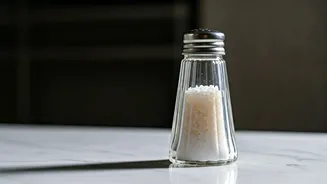
A traditional technique that significantly contributes to the preservation and texture of mango pickle involves a preliminary curing process with salt and turmeric. Once the mangoes have been cut into desired pieces, they should be thoroughly mixed with a generous amount of salt and turmeric powder. This salted and spiced mixture is then spread out and exposed to sunlight for one to two days. This drying period serves a dual purpose: it draws out excess moisture from the mango pieces, further inhibiting spoilage, and allows the mangoes to begin absorbing the flavours of the salt and turmeric, forming a foundational taste profile for the final pickle.
Optimal Storage Solutions
The vessel in which you store your mango pickle plays a vital role in its preservation. It is strongly advised to use only clean, thoroughly dried glass or ceramic jars, often referred to as 'barnis.' Prior to transferring the pickle, ensure that the storage jar itself has been dried, ideally by sun-drying it. This pre-treatment of the container helps eliminate any residual moisture that could compromise the pickle. Proper storage is a key component in maintaining the quality and extending the shelf life of your delicious homemade mango pickle, ensuring it remains a flavourful addition to your meals for an extended period.
Submersion for Preservation
To guarantee that your mango pickle remains in optimal condition and lasts for an extended duration, a fundamental rule is to ensure that the pickle is always fully submerged in oil. The layer of oil acts as a critical barrier, effectively preventing exposure to air and thus inhibiting the growth of unwanted microorganisms. This continuous oil cover is a natural and highly effective preservative, playing a crucial role in maintaining the pickle's freshness, texture, and vibrant flavour. Consistently checking and maintaining this oil seal is paramount for long-term preservation.