





Winter Hair Challenges
Winter often brings with it complaints of increased hair fall, dryness, and a lack of shine. While the cold weather is frequently blamed, experts emphasize
that seasonal hair issues are rarely solely due to temperature. Instead, shifts in diet, hydration, and decreased sun exposure play a significant and often underestimated role in hair health. Dr. Raji Patil points out that in colder months, fluid intake typically declines, eating patterns change, and meals tend to be heavier but less nutritionally diverse. This combination has a direct impact on scalp health, potentially disrupting the hair growth cycle. The body's internal systems, particularly the scalp, get less support from essential nutrients, and as a result, the hair suffers, leading to a visible decline in its vitality and structure. Cold temperatures, coupled with lower humidity, reduce moisture retention and blood flow to the scalp, leading to dryness, breakage, and dullness, according to Dr. Shivam.
Diet and Hair Health
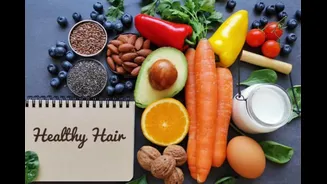
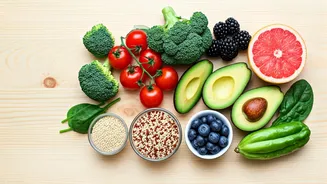
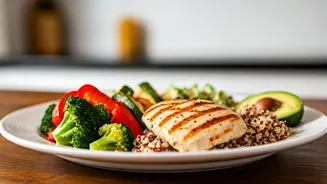
From a dermatological standpoint, dietary intake, especially protein, is fundamental. Hair is primarily composed of keratin, a protein that requires adequate dietary support. Dr. Patil notes that deficiencies in iron, vitamin D, zinc, and B-complex vitamins, which are particularly common among women, often manifest as increased hair shedding during winter. Even mild dehydration can lead to a dry scalp, weakening hair shafts and increasing breakage. Dermatologists often look at what's on the plate, evaluating the intake of vital nutrients. Dr. Abhishek Pilani emphasizes that experts assess more than just the scalp, including protein intake from sources such as dal, paneer, eggs, fish, and chicken, along with iron-rich foods like leafy greens, jaggery, dates, and legumes. Nutrients such as zinc and omega-3 fatty acids found in nuts and seeds, like flax, chia, and walnuts, are also essential for maintaining follicular strength and scalp health.
Nutrient Powerhouses
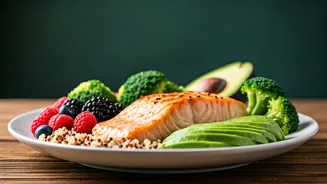
Several key nutrients are essential for supporting healthy hair growth during winter. Omega-3 fatty acids help combat scalp dryness and flaking. Vitamins C and E support collagen production and improve scalp circulation. Biotin enhances hair texture and reduces breakage. Minerals like iron and zinc are critical in preventing hair loss and supporting healthy follicle function. Dr. Shivam highlights that nutrition acts as an internal support system to counteract external stressors. Ensuring adequate intake of protein and iron from various sources, including dal, paneer, eggs, fish, and leafy greens, is crucial. Additionally, incorporating nuts and seeds rich in zinc and omega-3 fatty acids, like flax, chia, and walnuts, is beneficial for maintaining follicular strength. Addressing potential vitamin D deficiencies, which are more common during winter due to reduced sun exposure, is also important.
Beyond the Plate
While diet is crucial, a holistic approach is key. Experts consistently emphasize that there's no single food or quick fix to prevent winter hair fall. Hair health relies on consistency, balanced meals, adequate hydration, and avoiding extreme dietary restrictions. Crash diets and sudden food eliminations, dermatologists warn, can worsen shedding during winter months. As Dr. Pilani states, targeted supplementation may be necessary if dietary adjustments alone are insufficient. It is crucial to address potential nutritional gaps and focus on overall health. Prioritizing nutrition, hydration, and gentle scalp practices can help protect hair through the colder months, long before seasonal hair fall becomes a visible concern. Consistent healthy habits form the foundation for maintaining healthy hair during the winter season.