






Introduction: Fruit Power
Summer brings a delightful array of fruits, but for those managing diabetes, selecting the right ones is crucial. The glycemic index (GI) and glycemic load
(GL) of fruits play a significant role in blood sugar management. Fruits with lower GI and GL values are preferred as they cause a slower rise in blood glucose levels. This article focuses on five summer fruits that are generally considered safe and beneficial for individuals with diabetes, emphasizing both their nutritional advantages and the importance of moderation as part of a balanced diet. These fruits offer a way to enjoy the season's bounty without compromising health.
Berries: Nature’s Candy
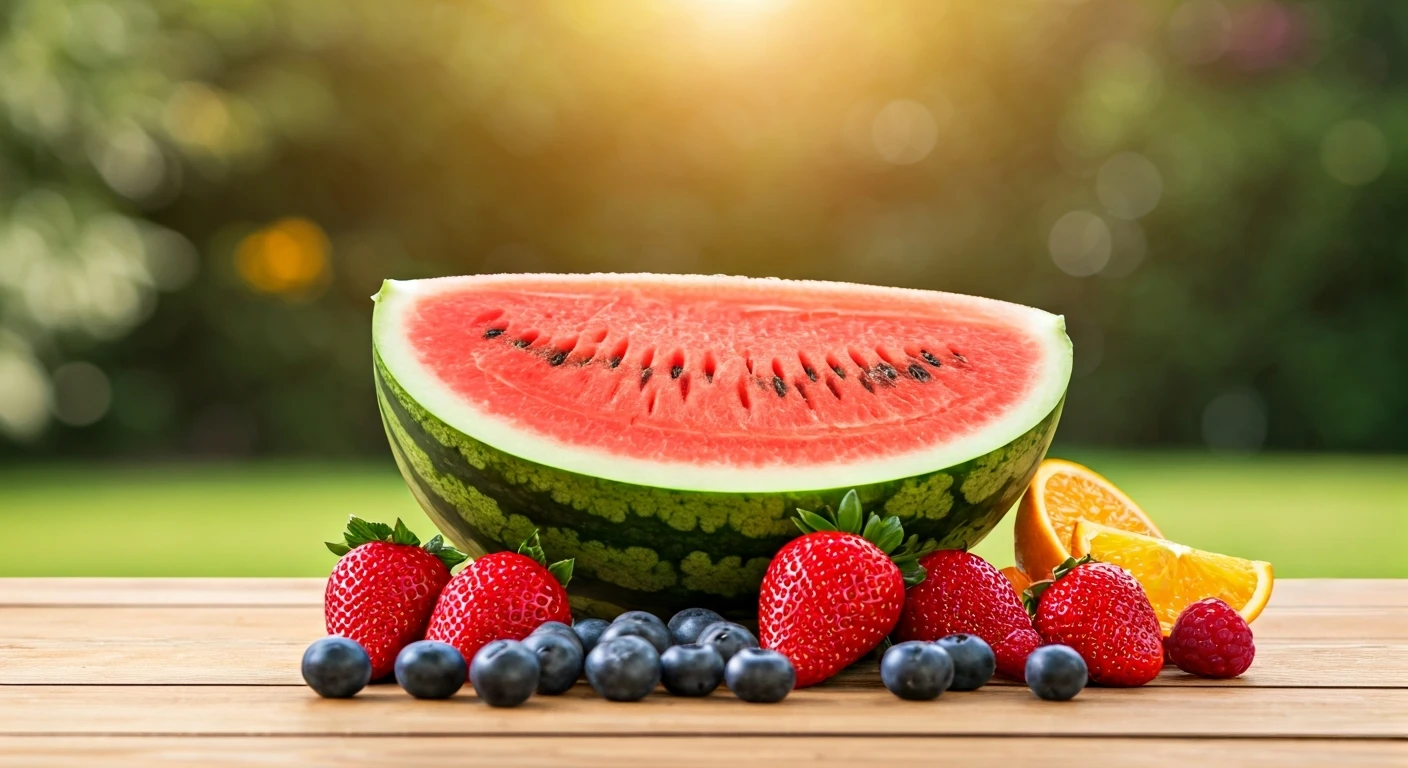
Berries, including strawberries, blueberries, raspberries, and blackberries, often top the list of diabetes-friendly fruits. They are packed with antioxidants, vitamins, and fiber, contributing significantly to overall health. Their lower GI and GL values mean they have a minimal impact on blood sugar levels, making them a safe choice. These vibrant fruits can be enjoyed fresh, added to yogurt or oatmeal, or incorporated into smoothies. They offer a sweet treat without the sharp blood sugar spikes. A handful of berries provide a satisfying snack that supports both taste and health, adding a burst of flavor to any meal plan.
Cherries: Sweet and Safe
Cherries, despite their sweetness, can be included in a diabetes-friendly diet in moderation. Fresh cherries contain antioxidants and fiber. They have a relatively moderate GI, so portion control is key. Approximately 12 fresh cherries can be consumed as part of a meal. Cherries can provide a delightful addition to salads or enjoyed as a snack. They offer a burst of flavor and a touch of indulgence without causing significant blood sugar fluctuations. Moderation is important as part of a complete dietary approach.
Apples: Fiber-Rich Choice
Apples are a fiber-rich fruit that is often recommended for diabetes management. Fiber slows down the absorption of sugar, helping to prevent blood sugar spikes. Apples have a moderate GI, so portion size plays a crucial role. A small apple, especially with the skin on, provides both fiber and essential nutrients. They can be sliced and added to salads, enjoyed as a snack with a bit of nut butter, or baked for a warm dessert. The fiber content in apples helps improve digestion.
Citrus Fruits: Vitamin Boost
Citrus fruits like oranges and grapefruits are rich in vitamin C and fiber, making them beneficial for overall health and blood sugar control. Oranges are a good source of fiber, helping manage blood sugar spikes. Grapefruits also offer nutrients. The low GI of these fruits, combined with their high fiber content, makes them a suitable choice for people with diabetes, provided that they consume them in moderation. Enjoying a segment of orange or grapefruit as part of a meal or snack can contribute to a balanced diet. Citrus fruits are versatile and refreshing.
Peaches: Sweet Treat
Peaches provide a sweet treat that can be part of a diabetic diet, when consumed in reasonable amounts. They contain vitamins, minerals, and antioxidants, contributing to overall health. Their moderate GI means that portion control is necessary. One medium peach can be enjoyed as a snack. Peaches can be added to salads, baked, or eaten fresh. They offer a taste of summer while providing essential nutrients, helping to satisfy a sweet craving in a healthy way. Integrating peaches into your meals can enhance the variety and nutritional value of your meals.