




Expanding Protein Horizons
Many vegetarians often find themselves defaulting to paneer and dal as their primary protein sources, a habit that can lead to an imbalanced intake of essential
amino acids. While these staples are nutritious, a truly well-rounded vegetarian diet thrives on variety. The misconception that plant-based diets are inherently deficient in protein is easily debunked by understanding the vast array of high-protein vegetables, grains, and seeds available. Incorporating a broader spectrum of these foods not only ensures adequate protein intake but also introduces a richer diversity of micronutrients and benefits your metabolic health. This shift from relying on a few familiar items to embracing a multitude of protein-rich options is key to unlocking the full potential of vegetarian nutrition and supporting bodily functions like muscle repair and satiety.
Soy Powerhouses: Tofu & Tempeh
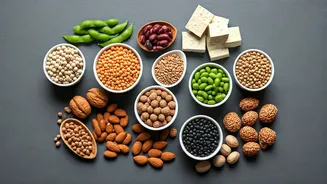
Tofu and tempeh, both derived from soybeans, are exceptional plant-based protein alternatives. Tofu, known for its versatility and mild flavor, is a complete protein, offering all nine essential amino acids and a good source of calcium. Its ability to absorb marinades makes it adaptable to countless dishes, from stir-fries to scrambles. Tempeh, on the other hand, is a fermented soy product, which not only makes it easily digestible but also enhances its probiotic content, contributing positively to gut health. Its firm texture and nutty undertones make it a satisfying substitute for meat in many recipes, offering a robust protein boost alongside its beneficial fermentation byproducts.
Edamame & Greek Yogurt
Edamame, the young soybean, stands out as a complete plant protein source, meaning it delivers all the essential amino acids required by the body. Beyond its protein content, edamame is also lauded for its fiber and nutrient profile, contributing to prolonged feelings of fullness and aiding in weight management. For those who include dairy in their diet, Greek yogurt or hung curd offers a significant protein advantage over regular yogurt. Its strained consistency results in a concentrated source of protein, along with beneficial probiotics that support a healthy digestive system, making it an excellent choice for breakfast or a substantial snack.
Ancient Grains: Quinoa & Amaranth
Quinoa, often mistaken for a grain, is actually a pseudocereal and a remarkable complete protein source, providing all nine essential amino acids. Its gluten-free nature and complex carbohydrate profile make it a fantastic base for meals, salads, or as a nutritious side dish. Amaranth, also known as Rajgira, is an ancient grain celebrated for its high protein content, essential iron, and dietary fiber. This nutrient-dense option, traditionally used in Indian cuisine, offers a hearty and wholesome way to boost protein intake and contribute to overall vitality, complementing other protein sources with its unique nutritional benefits.
Seeds and Legumes
Hemp seeds are a nutritional powerhouse, delivering a substantial amount of protein along with vital omega-3 fatty acids and various minerals. Their high satiety value makes them an excellent addition to smoothies, salads, or yogurt bowls, promoting fullness and sustained energy. Lentils, a staple in Indian kitchens, are incredibly rich in both protein and fiber, offering a filling and healthy meal component. Available in numerous varieties like red, green, and brown, they provide a versatile base for dals, soups, and stews. Chickpeas, also known as garbanzo beans, are another incredibly versatile legume, offering good protein and essential minerals. They can be enjoyed in curries, salads, or transformed into hummus, while black beans provide a wealth of protein, fiber, and antioxidants, finding their way into numerous global cuisines in dishes like tacos, soups, and chili.
Dairy Proteins and Spirulina
Milk and dairy products naturally provide high-quality proteins like whey and casein, which are crucial for muscle building and repair. These are readily available and can be incorporated into various meals and beverages throughout the day. For a highly concentrated, nutrient-dense option, spirulina, a blue-green algae, offers a complete protein profile. This superfood is also packed with vitamins, minerals, and antioxidants, and can be easily added to smoothies or juices for an extra health kick. Nutritional yeast, a deactivated yeast with a distinctive cheesy, nutty flavor, is another excellent protein source, especially for vegans, and is a good source of B vitamins, making it a flavorful addition to popcorn, pasta, and vegetable dishes.