


Strategic Timing
To truly savor the grandeur of Machu Picchu without the overwhelming presence of large crowds, strategic timing is paramount. The peak tourist season,
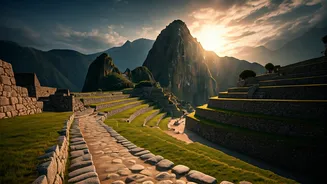
typically spanning from June through August, is when this UNESCO World Heritage site experiences its highest visitor numbers. To circumvent this, consider planning your visit during the shoulder seasons. These periods, generally falling between April and May, and again from September to October, offer a more intimate experience. During these months, the weather remains agreeable, with significantly fewer rainy days compared to the wet season from November to March. While you will still encounter fellow travelers, the atmosphere will be considerably more serene, allowing for a deeper appreciation of the site's awe-inspiring architecture and breathtaking surroundings. Another effective approach is to align your visit with the edges of the day. Machu Picchu, like many renowned attractions, sees its busiest influx of visitors during the mid-morning to early afternoon hours. By arriving as soon as the site opens its gates or staying until its closing time, you can significantly reduce your exposure to the peak rush. The early morning and late afternoon light also casts a magical glow over the ruins, offering superb photographic opportunities and a more contemplative ambiance.
Alternative Paths
While the classic Inca Trail is a bucket-list item for many, its immense popularity often means it's also quite congested. For those seeking a more secluded journey to Machu Picchu, exploring alternative trekking routes presents a compelling option. The Salkantay Trek and the Lares Trek are highly recommended alternatives, both renowned for their spectacular Andean scenery and their ability to guide you away from the most beaten paths. These treks often culminate in a bus journey to the citadel, allowing for an arrival that coincides with less crowded periods. Furthermore, the Lares Trek, in particular, offers a deeply authentic cultural immersion, where you are more likely to encounter local Andean families, including alpaca herders and traditional weavers, than large groups of tourists. Variations within this route allow for a truly personalized journey. Another exceptional alternative is the trek to Choquequirao, a vast Inca complex dramatically situated above the Apurímac River. The journey to Choquequirao, typically a four-day round trip from Cachora, is far less frequented, with daily averages of around 20 visitors. For the truly adventurous, this trek can be extended into a nine-day, one-way expedition that passes through several rarely visited Inca ruins before ultimately leading to Machu Picchu, offering a unique blend of solitude and eventual shared wonder.
Local Immersion
To enhance your Machu Picchu experience and gain a deeper understanding of its historical significance, consider lodging in Aguas Calientes, the town situated at the base of the citadel. Opting to stay overnight in Aguas Calientes allows you to be among the very first to enter Machu Picchu the following morning. Booking your accommodation in advance, especially during the shoulder seasons, is advisable to secure your preferred choice. By catching one of the earliest buses up to the site, you'll be positioned ahead of the majority of day-trippers, affording you a more peaceful start to your exploration. Moreover, engaging a local guide upon arrival can profoundly enrich your visit. While not a direct crowd-avoidance tactic, a knowledgeable guide can skillfully navigate you through the site, pointing out less congested viewpoints and sharing insightful historical narratives. This allows for a more focused appreciation of Machu Picchu's intricate architecture and historical context, minimizing the feeling of being overwhelmed by the sheer volume of people. They can also offer advice on the optimal times to explore specific areas within the citadel itself, further optimizing your experience.
Beyond the Citadel
While the main Inca citadel is undoubtedly the primary allure of Machu Picchu, venturing to its less frequented adjacent areas can provide further respite from the main crowds. For instance, a short excursion to the Inca Bridge offers a different vantage point and a less crowded experience compared to the central plazas. Similarly, the Sun Gate, or Inti Punku, which marks the traditional entrance for those completing the classic Inca Trail, provides magnificent panoramic views of Machu Picchu. The hike up to the Sun Gate is often less congested than navigating the core areas of the citadel, offering a more tranquil way to absorb the spectacular scenery. Another often overlooked but rewarding option is exploring Cerro Machu Picchu, also known as Machu Picchu Mountain. Unlike the more popular Huayna Picchu, this hike offers expansive views and attracts significantly fewer visitors, allowing for a more solitary communion with the breathtaking landscape surrounding the ancient ruins. By consciously choosing to explore these peripheral sites, you can diversify your Machu Picchu experience and find moments of quiet contemplation amidst its historical grandeur.