




Loktak Tea's Manipur Charm
During his diplomatic engagements, Prime Minister Modi presented a special, small-batch Loktak tea, originating from the picturesque landscapes surrounding
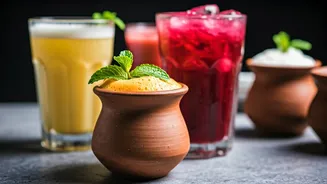
Loktak Lake in Manipur, to the Swedish Prime Minister. This unique tea variety is celebrated for its remarkably refreshing flavor profile, an enchanting aroma, and a remarkably smooth finish that lingers pleasantly. Cultivated in the pristine and fertile environment of the nearby hills, this tea is a direct reflection of the region's extraordinary biodiversity and its inherent natural splendor. The careful cultivation and distinct taste of Loktak tea serve as a testament to the agricultural richness and unique ecosystems found within Manipur, offering a delightful sensory experience that embodies the essence of its origin.
Melody Toffee's Sweet Embrace
A delightful confectionery, the Melody Toffee, was presented to the Prime Minister of Italy, Giorgia Meloni. This iconic Indian sweet offers an extraordinary fusion of rich caramel and luscious chocolate flavors, creating a truly memorable taste sensation. At its core lies a creamy chocolate filling, which imparts a deep, cocoa-rich essence, while the outer layer is a wonderfully chewy caramel. This caramel coating contributes a delightful buttery sweetness and a characteristic toffee-like texture, making it an irresistible treat that bridges the gap between indulgence and tradition with every bite.
Finest Indian Grains Showcase
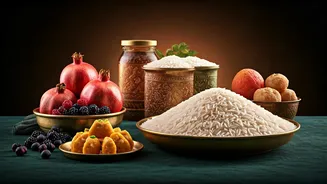
Prime Minister Modi showcased India's agricultural prowess by presenting a meticulously curated collection of the nation's finest grains to Dr. Qu Dongyu, the Director-General of the Food and Agriculture Organization of the United Nations. This distinguished selection prominently featured Red Rice, also recognized as Matta or Palakkadan Matta rice. This venerable rice variety is primarily cultivated in the Palakkad district of Kerala and is distinguished by its striking reddish-brown hue, substantial grains, and a wealth of nutritional benefits. Crucially, it retains its outer bran layer, which significantly enhances its fiber, vitamin, and mineral content, earning it a coveted Geographical Indication (GI) tag.
Kalanamak: Buddha's Fragrant Rice
Also included in the curated basket of grains for the FAO Director-General was Uttar Pradesh's celebrated Kalanamak rice, affectionately known as 'Buddha Rice'. This variety is steeped in history, with believed connections to the era of Gautama Buddha. It is highly acclaimed for its distinctive, captivating fragrance, its naturally black husk, a remarkably soft texture when cooked, and its impressive nutritional profile, which includes high levels of iron and antioxidants. This unique rice has also been awarded a GI tag, underscoring its regional importance and traditional cultivation methods.
West Bengal's Gobindobhog Gem
The esteemed basket also featured Gobindobhog rice, a premium indigenous variety hailing from West Bengal. Traditionally cultivated across districts like Burdwan, Hooghly, and Nadia, this GI-tagged rice is a cornerstone in the preparation of celebratory dishes such as khichuri and pulao, as well as sweet preparations like payesh, and is frequently used in religious offerings. Its fame stems from its inherent fragrance and exceptional cooking qualities. Gobindobhog rice holds significant cultural and culinary weight in Bengal, prized for its unique aroma and superior texture, making it a staple for auspicious occasions.
Assam's Aromatic Joha Rice
From the fertile Brahmaputra valley of Assam, Joha rice was another distinguished inclusion. The name 'Joha' itself is derived from an Assamese term signifying 'fragrant.' This rice variety typically features small grains and is widely utilized in crafting traditional Assamese cuisine, festive meals, and for special culinary moments. Awarded a GI tag, Joha rice's authenticity is preserved, simultaneously supporting the livelihoods of local farmers. Beyond its delicious taste and aroma, it is recognized for being nutritious and easily digestible, reflecting Assam's rich agricultural heritage and cultural traditions.
Basmati: The King of Rice
The collection also prominently included Basmati rice, a globally renowned long-grain variety cultivated across the Indo-Gangetic plains. This celebrated rice is distinguished by its delicate, enchanting fragrance, slender grains, and an exceptionally fluffy texture post-cooking. Primarily grown in states like Punjab, Haryana, Himachal Pradesh, Uttarakhand, and parts of Uttar Pradesh, it forms the base for popular dishes such as biryani, pulao, and fried rice, owing to its rich aroma and excellent cooking properties. Basmati rice commands significant value in both domestic and international markets, widely considered among the finest rice varieties worldwide. Its unique regional identity and traditional cultivation heritage are further recognized by its own GI tag.
Meghalaya Pineapple's Sweetness
President Sheikh Mohamed bin Zayed Al Nahyan of the UAE received a gift of the exquisite Meghalaya Pineapple. This fruit, also recognized with a GI tag, is specifically the Khasi Pineapple variety, cultivated in the Ri-Bhoi region of Meghalaya. It is celebrated for its unparalleled sweetness, captivating aroma, and a commitment to organic cultivation practices. These pineapples are immensely popular when enjoyed fresh, and they also find extensive use in preparing refreshing juices, delectable desserts, sweet jams, and various processed food items, showcasing the agricultural bounty of the region.
Gujarat's Kesar Mango Delight
Also presented to President Sheikh Mohamed bin Zayed Al Nahyan of the UAE was the famed Kesar Mango. This distinct mango variety, native to Gujarat and bearing a GI tag, is renowned for its vibrant, saffron-colored pulp. Its cultivation is primarily concentrated around the Gir forest region and the Junagadh district. The Kesar mango is exceptionally well-suited for preparing 'aamras' (a sweet mango pulp dish), enriching desserts, and crafting flavorful juices, embodying the rich fruit heritage of its origin.
Jowar and Bajra Millet Bars
The Prime Minister was also presented with nutritious millet bars crafted from Jowar and Bajra. Jowar, commonly known as sorghum, is a powerhouse of dietary fiber, protein, iron, and beneficial antioxidants. Bajra, or pearl millet, stands out as an excellent source of sustained energy, calcium, magnesium, and essential micronutrients. These millets are fundamental food staples in numerous rural Indian communities and are traditionally prepared into dishes like rotis, nourishing porridges, and wholesome khichdi, representing a vital part of India's agricultural and dietary landscape.