



The Bhindi Face Pack Fad
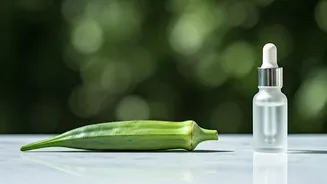
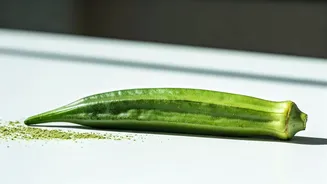
The internet often buzzes with DIY skincare trends, and the latest to gain traction involves using okra, also known as bhindi, as a natural face pack.
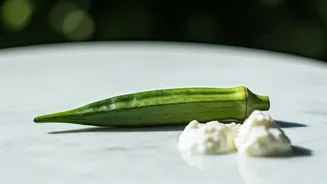
Promising to fight aging, acne, and even whiten skin, this hack typically suggests blending chopped ladyfingers with curd and applying it to the face for 20 minutes. The purported benefits include aiding skin repair through carotenoids, providing a glow via vitamins C and A, and preventing acne due to antioxidant and antifungal properties. However, these claims are largely unverified and often promoted without any substantiating scientific research, leading many to question the efficacy and safety of such viral beauty solutions that circulate rapidly across social media platforms.
Expert Verdict: No Skin Magic
Dermatologists express significant skepticism regarding the use of okra for skincare. While curd, due to its lactic acid content, can act as a mild exfoliant, combining it with okra for skin benefits is not supported by evidence. Dr. Rinky Kapoor, a renowned dermatologist, points out that while some vegetables are nutritious for consumption, their topical application doesn't guarantee similar benefits for the skin. The high fibrous content in raw okra poses a risk of allergic reactions when applied directly to the skin. This is particularly concerning for individuals with oily, acne-prone, or sensitive skin types, as the mixture could potentially trigger breakouts and increase skin sensitivity, negating any desired positive effects.
Risks of DIY Skincare
The widespread appeal of home remedies often stems from their perceived naturalness, but experts caution against blindly following internet trends. Applying raw okra, with its fibrous texture, can irritate the skin, especially for those with pre-existing skin conditions. What might seem like a gentle, natural ingredient could lead to adverse reactions like redness, itching, or even severe breakouts if the skin's barrier is compromised. The claim that okra can help with skin whitening is also unsubstantiated, and relying on such remedies can delay effective treatment for actual skin concerns, potentially exacerbating them in the long run. It's crucial to understand that not all natural ingredients are suitable for topical application.
Effective Skincare Strategies
Instead of relying on unproven DIY hacks like the bhindi face pack, dermatologists recommend incorporating evidence-based active ingredients into your skincare routine. Compounds such as niacinamide, kojic acid, Azelaic acid, glycolic acid, and vitamin C are known for their efficacy in addressing various skin concerns, including hyperpigmentation and improving skin tone. Alongside topical treatments, a holistic approach is vital. This includes maintaining a balanced diet, staying adequately hydrated, consistently using sunscreen to protect against UV damage, and engaging in regular physical activity for at least 45 minutes. Consulting a dermatologist is always the best course of action for significant skin transformations or persistent issues.