





Plastic Food Containers
While eco-conscious shopping at thrift stores is commendable, it's advisable to steer clear of secondhand plastic containers intended for food storage.
These vessels are notorious for readily absorbing odors and stains, making it incredibly difficult to eliminate lingering smells or unsightly discolorations, even after thorough cleaning. However, if you're looking for containers to organize non-food items like craft supplies or tools, pre-loved plastic bins can be a perfectly acceptable and sustainable choice, as they'll likely encounter wear and tear regardless.
Small Kitchen Appliances
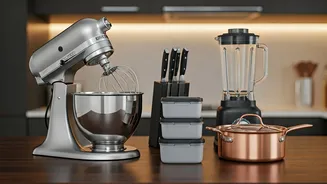
The allure of spotting a coveted small appliance at a bargain price in a thrift store can be powerful, but interior designers urge caution. The primary concern lies in the unknown internal condition and age of these items. Potentially faulty wiring, missing internal components, or inefficient operation are significant risks, and unlike simple lamps, testing the true functionality of a coffee maker or air fryer mid-shop is often impractical. Given that thrift stores frequently have restrictive return policies, it's often a wiser financial decision to save up for a brand-new appliance to ensure it's in perfect working order and comes with the peace of mind of a warranty. Furthermore, older appliances can develop hard-to-remove stains, making a fresh start with a new purchase preferable.
Wooden Cutting Boards
When browsing thrift stores for kitchenware, interior designers strongly recommend bypassing any wooden cutting boards you might encounter. A significant concern is the potential for stray wood fibers to detach, which could inadvertently end up in your prepared food or even cause minor pricks. More critically, the porous nature of wood makes it a breeding ground for bacteria over time, and it's impossible to guarantee how thoroughly a secondhand board has been cleaned in the past. Therefore, for hygiene and safety reasons, it's best to invest in new cutting boards.
Glass & Ceramic Ware
Thrift store finds in glass or ceramic can be tempting, but designers advise thorough inspection or opting for new items. Subtle cracks or chips that aren't immediately apparent can pose a significant safety hazard. If such an item were to break during use, or if someone inadvertently used a chipped piece without noticing, it could lead to injuries. To prevent any potential accidents and ensure the well-being of yourself and your guests, it's prudent to purchase glass and ceramic serving ware brand new.
Vintage Pewter Serving Pieces
While vintage pewter pieces can add a unique decorative flair to a kitchen, designers emphasize that they should never be used for serving food. This caution stems from the historical use of lead in the manufacturing of vintage pewter, making it unsafe for direct contact with edibles. However, these items can still be excellent decorative accents. If you have open shelving that you wish to style, vintage pewter pieces can serve as attractive, purely ornamental additions to your kitchen's aesthetic.