





Lake Titicaca's Floating Homes
Venture to Lake Titicaca, revered as the cradle of the sun, and immerse yourself in its mystical ambiance. This vast, sapphire-hued lake is home to unique
floating villages constructed entirely from reeds by the Uros people. Spending a night here offers a profound cultural experience, allowing you to witness their age-old traditions and witness breathtaking sunsets over the shimmering waters. Puno serves as the primary access point to the lake, reachable by bus, train, or a flight to Juliaca followed by a taxi ride. While some attractions lie within Bolivia, visa-free access typically allows exploration from the Peruvian side.
Trekking the Inca Trail
Embark on the legendary Inca Trail, a historic pilgrimage commencing northeast of Cusco. This challenging 4-day trek winds through the Urubamba Valley, ascending through misty cloud forests and past ancient Inca waystations, culminating at the magnificent Machu Picchu, one of the world's new seven wonders. The trail is a rugged path rewarded with spectacular vistas at every turn. It's crucial to acclimatize to the high altitude of Machu Picchu (2430m) before your trek. Booking permits well in advance, especially for the peak season (June to September), is essential due to strictly controlled visitor numbers.
Amazon Rainforest Wildlife
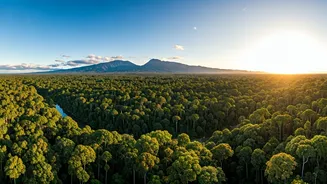
Explore the unparalleled biodiversity of Peru's Amazon Basin, particularly within the remote confines of Manu National Park. This vast expanse of rainforest and waterways is a haven for diverse wildlife, offering incredible spotting opportunities. Responsible tour operators guide visitors through the intricate network of rivers where tapirs, capybaras, ocelots, jaguars, and vibrant macaws can be observed. Activities like rafting and kayaking from Iquitos provide intimate encounters with nature, while luxury riverboat cruises offer a more relaxed way to spot pink river dolphins and monkeys. The high-water season (December to May) is ideal for navigating smaller tributaries, while the low-water season (June to November) facilitates rainforest trekking.
Andes Mountain Majesty
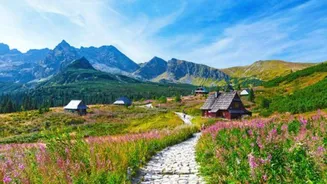
The Cordillera Blanca, a stunning section of the Andes mountains, beckons adventurers with its snow-capped peaks and dramatic landscapes. This range offers incredible trekking opportunities for those seeking high-altitude challenges, leading to pristine alpine lakes and remote Andean villages. The journey to Huaraz, a mountain town accessible via an 8-hour bus from Lima, is the primary gateway. From Huaraz, various treks are available, ranging from the single-day Laguna 69 hike to the more demanding 4-day Santa Cruz trek and the week-long Alpamayo Base Camp trek. Acclimatizing in Huaraz, situated over 3000m, is vital to prevent altitude sickness.
North Coast Surfing
Peru's extensive 3000km Pacific coastline is a surfer's paradise, boasting powerful swells and uncrowded breaks. The northern coast, particularly areas around Trujillo like Huanchaco and Chicama, offers exceptional wave riding opportunities. Further north, Máncora provides a laid-back atmosphere with consistent surf, delicious seafood, and a relaxed pace of life. Reaching these destinations from Lima can be done via flights to Talara or Tumbes, significantly reducing travel time compared to the extensive bus journeys. The prime surfing season runs from April to November, though beginners might find the warmer summer months (January to March) more accommodating.
Islas Ballestas Wildlife
Discover the abundant marine life surrounding the Islas Ballestas, located off the Paracas Peninsula. These rocky outcrops, often called the 'poor man's Galápagos', teem with sea lions, Humboldt penguins, and numerous seabird colonies. Boat tours departing from Paracas offer an affordable and spectacular way to witness this wildlife up close. While exploring, you might also catch sight of the enigmatic El Candelabro geoglyph overlooking Pisco Bay. Bird watching is optimal from April to September, peaking in the cooler winter months, while sea lion sightings are best during their breeding season from December to February.
Condors of Colca Canyon
Journey to the breathtaking Cañón del Colca, a dramatic and expansive canyon accessible via a 4-hour drive from Arequipa. This region is renowned for its stunning Andean vistas, ancient agricultural terraces carved into its walls, and charming villages. The canyon is an exceptional location for birdwatching, especially for spotting Andean condors soaring on thermal currents. Visitors can explore via day hikes or trek to the canyon floor and back. It is recommended to spend several days absorbing the scenery, perhaps relaxing in the local hot springs. Don't miss trying the local delicacy, chupe de camarones. The dry season (April to November) offers clearer skies for condor sightings, with mornings being the most opportune time.
Nazca Lines Aerial View
Unravel the enigma of the Nazca Lines, a collection of over 70 ancient geoglyphs etched into the desert sands on Peru's arid coast. These colossal designs, depicting animals and geometric shapes, are so vast they are best appreciated from the air. Created between 2500 and 1500 years ago, their purpose remains a subject of scholarly debate, fueling theories from ancient astronomical calendars to extraterrestrial visitations. Taking a light aircraft tour, ideally in the early morning, provides the most spectacular vantage point. The town of Nazca serves as the primary hub for these flights, which depart from its aerodrome.
Huacachina Sand Dunes
Experience the unique thrill of Huacachina, an oasis town nestled amidst towering sand dunes in the southern Peruvian desert. This destination offers an exhilarating adventure in dune buggy rides across vast expanses of sand. For the more daring, sandboarding down the immense dunes provides an adrenaline rush akin to snowboarding. Afterward, relax by the lagoon and hear tales of the oasis's mythical origins. Huacachina is a short taxi ride from Ica, which is accessible by bus from Lima. Accommodation options cater to various budgets.
Kuélap's Mountain Citadel
Discover Kuélap, a magnificent walled citadel built by the Chachapoyas people in the 6th century CE, perched atop a mountain in the northern Peruvian cloud forest. This ancient city, predating Machu Picchu, offers a glimpse into a sophisticated pre-Inca civilization. The site features remarkably preserved circular stone dwellings and provides breathtaking panoramic views of the Utcubamba Valley. Reaching Kuélap involves traversing scenic rural landscapes. Visitors can opt for a 2-hour road journey from Chachapoyas, a 6-hour trek, or a convenient 20-minute cable car ride to the summit.