






The Brain's Negative Loop
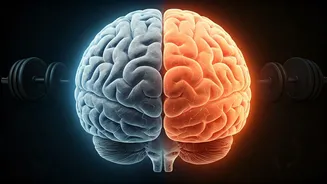
Engaging in frequent negative thinking or complaining acts like a continuous workout for specific neural pathways, solidifying them and making subsequent
complaining far more probable. This phenomenon means that the more you voice grievances, the more your brain becomes predisposed to identifying and dwelling on the negative aspects of any situation. Essentially, your brain adapts to this pattern, creating a self-reinforcing cycle where negativity becomes the default setting. This habitual rewiring can make it increasingly difficult to access positive emotions or to shift your focus towards finding constructive solutions, as the brain's established routes are already paved with complaints.
Stress and Cognitive Decline
Chronic complaining doesn't just feel bad; it elevates stress levels significantly, which in turn poses a serious threat to your brain's health. Elevated levels of stress hormones, such as cortisol, can actively impede vital cognitive functions. This means your ability to remember things clearly and make sound decisions can be compromised. Furthermore, prolonged exposure to high stress can lead to a physical reduction in the size of the hippocampus, a critical brain region responsible for learning and memory formation. This can have lasting consequences on your capacity to acquire new knowledge and recall past experiences.
Mental Health Implications
The persistent negativity fostered by constant complaining can cast a long shadow over your overall mental well-being. This inclination towards negative thought patterns can not only contribute to the onset of mental health conditions like anxiety and depression but also worsen existing ones. Conversely, actively engaging in positive thinking practices and cultivating a sense of gratitude can serve as powerful counter-measures. These positive actions help forge new neural pathways that are geared towards fostering emotional resilience and enhancing overall feelings of well-being and contentment.
Cultivating a Positive Mindset
From a medical standpoint, intentionally reducing negative thinking and actively nurturing a more positive outlook is paramount for maintaining optimal brain health. This proactive approach is not merely about feeling better in the moment but is crucial for the long-term functioning and integrity of your brain. By consciously choosing to reframe challenges, practicing gratitude for everyday occurrences, and focusing on actionable solutions, individuals can begin to rewire their brains away from a negativity bias and towards a more resilient, problem-solving, and emotionally balanced state.