




Calf Raises: A Seated Boost
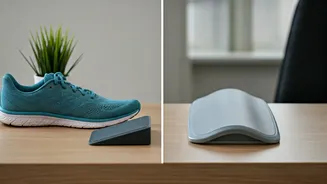
Seated calf raises, though seemingly minor, offer a significant advantage in maintaining blood flow, especially when prolonged sitting is unavoidable.
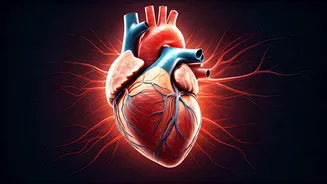
The calf muscles, often referred to as the body's 'second heart,' play a crucial role in pumping blood back towards the heart from the lower extremities. When we remain seated for extended periods, this circulation can become sluggish, leading to discomfort and swelling. By simply performing heel lifts while seated, individuals can actively engage these vital muscles, thereby supporting a more efficient circulatory system. While these exercises don't substitute for comprehensive physical activity, they provide a practical and accessible method for staying physically engaged during long work hours, ensuring that legs don't become stagnant.
The Power of a Walk
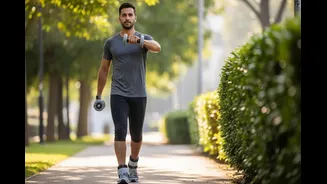
Walking emerges as a superior choice for overall activity, engaging a wider array of muscle groups, including those in the legs, hips, and core. Beyond muscular engagement, this fundamental movement significantly enhances blood circulation, bolsters cardiovascular health, and effectively alleviates the stiffness that often accompanies extended periods of inactivity. Even brief strolls, lasting just 5 to 10 minutes during breaks, can yield a noticeable positive impact on one's physical state. While seated calf raises retain their utility when stepping away from your desk isn't feasible, walking offers a more holistic approach to combating sedentary lifestyles. The act of walking activates the calf muscles, crucial for venous return, and contributes to a healthier, more mobile body.
The Ideal Sedentary Strategy
For individuals whose professional lives necessitate extensive sitting, a balanced approach incorporating both walking and seated calf raises proves most beneficial, though their contributions differ. Walking is highly advantageous as it mobilizes numerous muscle groups, accelerates blood flow, nurtures joint flexibility, and diminishes the likelihood of stiffness and potentially dangerous blood clots. Many people opt for walking as their primary activity when other exercises are impractical, benefiting from its positive effects on heart health and weight management. Seated calf raises, conversely, are invaluable when continuous movement is impossible, such as during extended desk work. They specifically target the calf muscles, aid in venous return, and help reduce lower leg swelling, yet they do not offer the comprehensive, full-body advantages that walking provides. Therefore, integrating both elements is key.
Consistent Movement Matters
The most effective strategy for individuals who spend a significant portion of their day seated is to adopt a routine of consistent, small movements. Standing up and taking short walks, even for just a few minutes, every hour helps to recalibrate the body and combat stiffness. Complementing these brief walks with seated exercises, such as calf raises, ankle rotations, or gentle stretches, ensures that the legs remain actively engaged throughout the day. This philosophy underscores that minor, regular physical actions throughout the day are more impactful than infrequent, long exercise sessions followed by extended inactivity. Maintaining this pattern of gentle motion greatly contributes to joint comfort and overall physical mobility, keeping the body functioning optimally.