







Raita: Cooling Comfort
Raita is a popular Indian side dish that is a combination of yogurt, typically plain or Greek style, mixed with various ingredients. It offers a cool and
creamy contrast to spicy Indian food. Raita's cooling properties come from the yogurt base, which is beneficial for digestion, particularly after eating spicy food. Beyond the flavor and digestive benefits, raita is simple to prepare, requiring minimal cooking and is easily customized with vegetables, fruits, herbs, and spices. From basic cucumber to elaborate fruit varieties, the potential for creativity in raita recipes is endless, making it a versatile addition to any meal.
Cucumber Raita Classic
Cucumber raita is perhaps the most well-known and loved raita variation. To make it, start with plain or Greek yogurt, which is known for its thickness and flavor profile. Finely grate or dice fresh cucumber, and remove the seeds to prevent the raita from becoming watery. Gently mix the cucumber into the yogurt. Add a touch of roasted cumin powder for warmth. Garnish with chopped fresh cilantro leaves, which contribute a vibrant freshness. A small amount of salt and a pinch of black pepper enhance the flavors. This simple yet flavorful raita is a refreshing addition to a spicy biryani or any Indian meal, balancing the heat with its cooling nature.
Onion Raita's Bite
Onion raita offers a slightly more assertive flavor profile. You'll begin again with a base of plain yogurt, and then finely chop red onions or other onions. It is crucial to rinse the onions briefly under cold water after chopping to reduce their sharpness. Incorporate the onions into the yogurt. Then, add a small amount of green chilies. Incorporate some chopped fresh coriander leaves. A hint of chaat masala can add a tangy note that complements the onion's flavor. The result is a raita with a savory bite. Onion raita is excellent with dishes like parathas, offering a delightful counterpoint to their richness.
Tomato Raita's Tang
Tomato raita is another vibrant option. For this version, use ripe tomatoes; deseed them and chop them into small pieces. Combine the tomatoes with the yogurt. Incorporate a little bit of finely chopped green chilies for a hint of heat. Add a small portion of roasted cumin powder. Fresh coriander leaves add a touch of freshness. A teaspoon of sugar may be added to balance the tomato's acidity. The tomato raita brings a wonderful tanginess to the table. It is especially enjoyable with dishes that need a brightness to cut through richness, like some rich curries and fried foods.
Boondi Raita's Crunch
Boondi raita introduces a textural element. Boondi is small, fried gram flour balls. For this, soak the boondi in water for a few minutes to soften them, then drain them thoroughly. Then, incorporate the softened boondi into the yogurt. A hint of roasted cumin and a pinch of red chili powder enhance the flavor. Garnish with chopped coriander leaves. Boondi raita is interesting. The textural contrast from the soft yogurt and crispy boondi makes it a favorite. Serve this with a meal, particularly to offset heat.
Pineapple Raita's Sweetness
Pineapple raita offers a sweet and slightly tangy option. Use fresh pineapple and cut it into small pieces. Add the pineapple to the yogurt. Add a sprinkle of black pepper and chaat masala for added flavor and complexity. Fresh mint leaves can add a cooling freshness. Pineapple raita is a delightful and refreshing option, providing a tropical twist to your Indian meal. It is an excellent accompaniment to richer, heavier dishes.
Mint Raita's Freshness
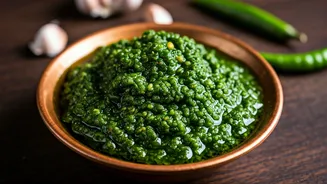
Mint raita offers a refreshing and aromatic experience. For this, finely chop fresh mint leaves, which contributes a cooling and refreshing flavor to the yogurt. Add a pinch of black pepper, and some roasted cumin powder. A touch of green chili can add a hint of heat. This raita is particularly great during hot weather, offering an invigorating side dish to balance spicy curries and rich dishes. Mint raita is a simple way to elevate a meal with a burst of freshness.
Beetroot Raita's Vibrancy
Beetroot raita is a beautiful and nutritious choice. Grate fresh beetroot and add it to your yogurt. Add a teaspoon of roasted cumin and a touch of salt. Garnish with chopped fresh coriander leaves for color and freshness. The beetroot raita has a beautiful color and a mild, earthy taste. Beetroot raita is both visually appealing and packed with nutrients, making it a great addition to the diet. Its sweetness pairs perfectly with the yogurt's tang.
Mixed Vegetable Raita
Mixed vegetable raita allows you to use your favorite vegetables. Finely chop or grate a combination of cucumber, carrots, tomatoes, and onions. Incorporate the vegetables into the yogurt. Season with roasted cumin powder, salt, and pepper. You may also add a bit of chaat masala. Mixed vegetable raita gives you a diverse range of nutrients and flavors. It is a colorful and flavorful side that is customizable. It is a fantastic way to include a variety of vegetables in your meal, especially for those who enjoy having a lot of ingredients in one bite.
Fruit Raita Variations
Experiment with other fruits like pomegranate, or mango, along with the common pineapple raita. For mango raita, use ripe mangoes, diced into small pieces. Pomegranate raita is another one, offering a burst of flavor. This gives a beautiful contrasting color and crunch to the raita. For a layered effect, consider adding a mix of fruits. The fruit raitas are a wonderful alternative to add a refreshing taste to the meal. They go well with rich and flavorful dishes, or even as a simple dessert after a spicy meal. Freshness and a touch of sweetness is always a great choice.