






The Illusion Explained
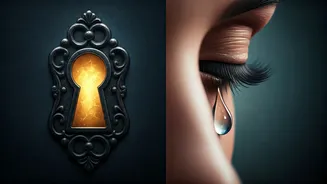
This captivating visual, popularized by Bright Side, presents two distinct images superimposed. The figure that initially captures your attention—either
a keyhole or a face in distress—is suggested to offer insights into your primary way of interacting with your surroundings. Optical illusions go beyond mere visual trickery; they offer a window into how our brains construct reality and, consequently, reveal facets of our individual personalities. Our minds are wired for rapid information processing, often filling in gaps and prioritizing familiar patterns that aided ancestral survival. These quick assessments provide clues about our approaches to social interactions, risk-taking, and emotional expression. This particular illusion serves as a straightforward yet insightful example, indicating whether your drive is predominantly external or internal, and prompting a gentle exploration towards enhanced self-awareness.
Keyhole Vision: The Extrovert
Spotting the keyhole first typically points to an extroverted disposition. Such individuals are often characterized by a strong sense of curiosity, a love for adventure, and an eagerness to embrace new experiences and concepts. They tend to thrive on exploration, be it through travel to new destinations or engaging with diverse individuals. This adventurous spirit often translates into a willingness to take risks and a responsiveness to environmental stimuli. However, this outward focus can sometimes manifest as impatience or a tendency to overlook personal needs and well-being. Cultivating moments of stillness and introspection could be beneficial, allowing for the redirection of outward curiosity towards an internal assessment of genuine desires and requirements.
Crying Face: The Introvert
If a crying face is your initial perception, it suggests an introverted nature. You likely process emotions internally and find value in solitude for contemplation. Personal struggles might be kept private, fostering a rich inner life characterized by depth, sensitivity, and a strong capacity for empathy. Nevertheless, this inward processing can sometimes lead to suppressing feelings. Incorporating practices such as mindful breathing exercises, regular journaling, or discreetly sharing concerns with trusted confidants could facilitate a transition from unspoken difficulties to more productive emotional expression and coping mechanisms.
Self-Reflection Tool
It is crucial to understand that these optical illusion 'tests' are lighthearted instruments for self-reflection, not definitive psychological evaluations. The initial visual interpretation reflects a snapshot of your current focus and inherent biases rather than an unchangeable personality label. Embrace the outcome as a starting point for introspection: does the interpretation resonate with your lived experience? Consider where you might achieve a healthier balance between your natural inclinations—perhaps by nurturing your curiosity while also honoring your need for inner peace, or by finding ways to express yourself more assertively while safeguarding your personal tranquility. Our brains actively construct our visual perception rather than passively receiving it, a process shaped by past encounters, innate temperament, and neural pathways.