






Defining Stem Cells
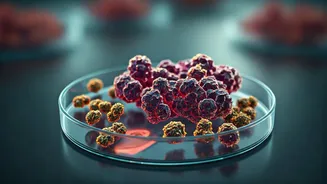
Stem cells are unique biological building blocks, essentially the body's repair system. They possess the remarkable capability to self-renew and differentiate
into various specialized cell types. This adaptability is key to their potential in treating a wide array of conditions. There are primarily two types of stem cells: embryonic stem cells, derived from embryos, and adult stem cells, found in various tissues throughout the body. Adult stem cells are responsible for maintaining and repairing tissues in our bodies. Their ability to transform into other cell types makes them invaluable in medical research and therapeutic applications. Moreover, stem cells hold immense potential for regenerative medicine, offering hope for treating diseases and injuries that were once considered irreversible. The way stem cells work is very important, because if not done correctly, side effects can happen.
Therapy's Potential Benefits
Stem cell therapy's potential is vast, with ongoing research revealing its promise in treating various conditions. One significant area of focus is regenerative medicine, where stem cells could repair damaged tissues and organs. For example, stem cell therapies show potential in treating neurological disorders such as Parkinson's disease and Alzheimer's disease. Moreover, they are being investigated for their role in cardiovascular diseases, aiming to repair damaged heart tissue after a heart attack. Another key application is in treating blood disorders like leukemia and lymphoma, where stem cell transplants are already a common treatment. The versatility of stem cells is remarkable, and they are constantly being explored for new applications, bringing hope to patients with previously untreatable conditions. While the technology is promising, it is still evolving and constantly being reviewed.
Understanding the Risks
Despite the potential benefits, stem cell therapy carries risks that must be carefully considered. One major concern is the possibility of an immune response, where the body's immune system rejects the introduced stem cells. This can lead to inflammation and other complications. Another significant risk involves the potential for stem cells to differentiate abnormally, forming tumors or other unwanted growths. The lack of stringent regulations and oversight in some clinics raises additional concerns about the safety and efficacy of stem cell treatments. Some treatments may not be approved by regulatory bodies, increasing the risks involved. It is essential for patients to understand these potential risks and discuss them thoroughly with healthcare professionals before undergoing any stem cell therapy. Patients should research and review the type of therapy being offered and if it is FDA or another agency approved.
Abhay Deol's Experience
News reports have highlighted the personal experience of actor Abhay Deol with stem cell therapy, sharing his journey and outcomes. While specific details of his treatment may vary, his experience offers insights into the patient perspective on this therapy. His willingness to share his experience contributes to the ongoing conversation about stem cell therapy. Public figures like Abhay Deol can play a crucial role in raising awareness and educating the public about these complex medical interventions. His experience underscores the importance of patient education and informed decision-making in the context of stem cell therapy. By sharing his journey, he helps bridge the gap between scientific advancements and real-world experiences.
Current Research and Future
The field of stem cell therapy is rapidly evolving, with ongoing research continually expanding its potential and addressing its challenges. Scientists are working to improve the safety and efficacy of stem cell treatments, focusing on methods to control cell differentiation and minimize the risk of complications. Researchers are also exploring new sources of stem cells, as well as new techniques for delivering them to the body. Collaboration between researchers, clinicians, and regulatory bodies is critical for advancing stem cell therapy. In the future, stem cell therapy holds the potential to revolutionize medicine, offering treatments for a wider range of diseases and injuries. With continued research and development, stem cell therapy could provide hope for patients with conditions that are currently difficult or impossible to treat.