



Unveiling the New Corridor
India's much-anticipated Delhi-Dehradun Expressway has officially commenced operations, marked by an inauguration ceremony led by Prime Minister Narendra
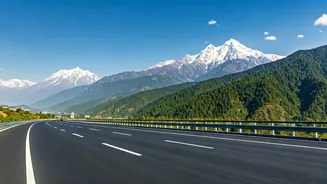
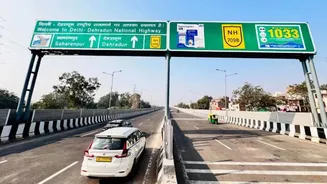
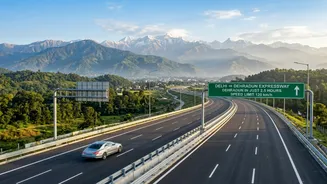
Modi on April 14, 2026. This ambitious Rs 12,000 crore project dramatically redefines travel between the nation's capital and the serene landscapes of Uttarakhand. Initially, the journey from Delhi to Dehradun could consume upwards of six hours, often fraught with the challenges of navigating congested urban peripheries and winding rural roads. However, the introduction of this six-lane, access-controlled highway promises to reduce that travel duration to a mere 2.5 hours. The expressway begins its course from Akshardham in East Delhi and traverses through key areas including Baghpat, Shamli, Saharanpur, and Ganeshpur before reaching Dehradun. This strategic route not only serves as a direct link to the state's capital but also offers enhanced connectivity to other popular destinations like Haridwar and Roorkee, integrating smoothly with the Eastern Peripheral Expressway to further streamline regional travel.
Engineering Marvels & Wildlife Protection
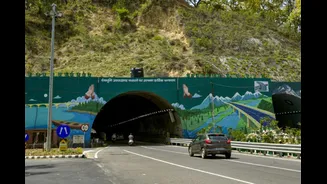
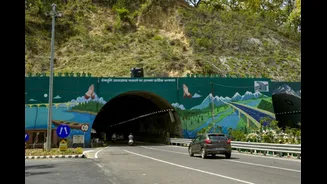
Beyond its impressive speed capabilities, the Delhi-Dehradun Expressway stands out for its innovative engineering, particularly its commitment to ecological preservation. A standout feature is the 12-kilometer elevated wildlife corridor, designed as one of Asia's longest such structures. This critical segment allows the native wildlife, including elephants and tigers residing in the Rajaji National Park, to move freely beneath the highway, ensuring minimal disruption to their natural habitats. Furthermore, the project incorporates a 340-meter tunnel carved through the Shivalik hills, strategically engineered to maintain a straight path and bypass the intricate, winding ghat sections. The expressway is also equipped with an Advanced Traffic Management System (ATMS), a sophisticated network designed to monitor traffic flow in real-time and provide crucial support during emergencies. The road is built to accommodate speeds up to 120 km/h, with an official limit likely set at 100 km/h for enhanced safety.
Transforming Real Estate Landscape
The opening of the Delhi-Dehradun Expressway is poised to ignite a significant boom in the real estate sector across Delhi, Dehradun, and their vicinities. Areas located near the expressway's interchanges are already experiencing a surge in property demand, with estimates suggesting a 40-50% increase. The drastically reduced travel time has transformed Dehradun's appeal from merely a tourist destination to a viable option for second homes or retirement living for Delhi residents. This shift is visibly reshaping peripheral towns like Saharanpur and Baghpat, which are now witnessing the rapid development of massive warehouses, dedicated logistics parks, and new housing societies sprouting near the highway exits. The value of land in Dehradun has reportedly doubled over the past three years of construction, and this inauguration is expected to fuel further appreciation, making property ownership along this corridor a highly attractive investment.
Traveler Amenities & Toll Information
To enhance the commuter experience, the Delhi-Dehradun Expressway integrates a comprehensive network of Wayside Amenities strategically placed approximately every 25 kilometers. These facilities go beyond basic services, offering modern food courts featuring popular dining chains, meticulously maintained restrooms, and vital electric vehicle (EV) charging stations. For urgent situations, the infrastructure includes trauma centers and emergency helipads to facilitate prompt medical evacuations. In terms of cost, the convenience comes with a price. A one-way trip for private cars across the four main toll plazas is estimated at Rs 675. For those planning a return journey within 24 hours, the combined toll is approximately Rs 1,010. Residents living within a 20-kilometer radius of a toll booth can benefit from a monthly local pass, priced at around Rs 330, offering a more economical option for frequent local travel.