





Accessible Solar Power
Harnessing the power of the sun is becoming more attainable for a wider range of people thanks to advancements in small-scale solar technology. While many
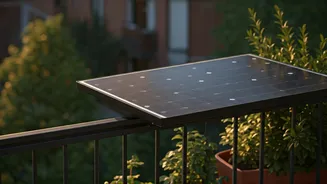
associate solar energy with extensive rooftop installations, a growing number of households, both renters and homeowners, are exploring alternative solutions. The primary obstacles to widespread solar adoption have historically included prohibitive costs, the specific location and suitability of buildings, and complex installation processes. However, innovative plug-in solar systems, often called balcony solar systems, are emerging as a compelling alternative. These systems are ingeniously designed for straightforward use, bypassing the need for specialized technicians, lengthy construction permits, or formal permission from utility companies. A typical setup involves compact photovoltaic panels that can be conveniently placed on a balcony, in a backyard, or on a roof area. The connection to a home's electrical grid is remarkably simple: they just plug into a standard household power outlet, making solar energy generation accessible without major home modifications or landlord approvals.
European Adoption Trends
Across Europe, plug-in solar systems have gained significant traction, becoming a widely adopted method for individuals to generate their own electricity from sunlight. Their popularity is particularly pronounced among renters who often face restrictions on making permanent alterations to their residences, such as installing rooftop solar panels. In Germany, for instance, these systems have played a crucial role in elevating the proportion of households equipped with solar panels to 8%. The accessibility of these plug-in kits is remarkable; Germans can readily purchase them from local retail stores and install them quickly at home, often without requiring any assistance from technicians or utility providers. Financial analyses indicate that under current electricity pricing in Germany, the energy generated by these systems is sufficient to offset a substantial portion of a household's electricity expenses, effectively paying for themselves over a period of time. This widespread adoption demonstrates a successful model for integrating decentralized solar power into urban living environments.
US Regulatory Landscape
In the United States, the primary impediment to the widespread availability and uptake of plug-in solar systems lies in existing legal frameworks and regulations that currently fail to differentiate them from larger, more complex rooftop solar installations. Generally, any solar panel system connected to the power grid in the U.S. necessitates professional installation. This is due to the typical requirement for specialized equipment designed to manage and regulate the flow of electricity generated by the home into the grid, preventing power surges or disruptions. This professional installation process also invariably involves obtaining permits from state or local government authorities. For balcony solar systems, which are designed with consumer-level plug-and-play simplicity in mind and utilize readily available components, these stringent legal requirements represent a significant barrier. Despite the inherent simplicity of these systems, most state laws do not acknowledge this distinction, still mandating permits and professional services for any solar panel installations. However, regulatory shifts are beginning to occur. Notably, Utah passed legislation in 2025 that specifically addresses plug-in solar panel systems with a power output below 1,200 watts, aiming to streamline their adoption. Similar legislative efforts are underway or being considered in other states, with some expecting to take effect in 2026. Furthermore, the safety certification landscape is evolving, with UL Solutions announcing a new safety standard for these systems in early 2026, which is expected to boost consumer confidence in their safety and reliability.
Costs and Economic Benefits
The economic advantages offered by balcony solar systems are closely tied to the prevailing cost of electricity in a given region. While the initial investment for purchasing these systems typically ranges between US$1,200 and $2,000, the long-term savings can be substantial, potentially reducing annual electricity bills by several hundred dollars. It's important to note that these systems are not designed to power an entire household; rather, they are capable of supporting essential lower-power appliances and devices. This includes items like refrigerators, energy-efficient LED lighting, laptop computers, phone chargers, televisions, and fans. An added advantage is their ability to provide backup power during grid outages, ensuring these essential devices remain operational. Beyond basic energy generation, balcony solar systems can offer further benefits depending on their configuration. Systems equipped with movable bases that can track the sun's movement across the sky can significantly increase their power generation efficiency. Additionally, the panels themselves can provide shade, which can lead to reduced cooling costs, particularly in warmer climates. Incorporating battery storage solutions with these systems allows households to store surplus solar energy generated during the day for use at night, further contributing to reduced utility expenses, although this would increase the upfront cost. The demand for balcony solar systems in the U.S. is anticipated to be robust, especially in areas with abundant sunshine and high electricity rates. Consumers will need to carefully select their equipment and optimize placement to maximize energy production and financial savings.