

The Protein Foundation
Your hair's very structure is built upon protein, specifically a compound known as keratin. Consequently, an inadequate protein intake directly compromises
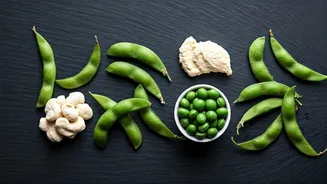
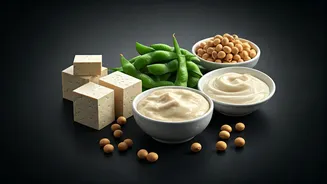
your hair's ability to grow and thrive. When your body senses a deficit in protein, it strategically conserves its resources, prioritizing essential bodily functions over non-critical ones like hair production. This leads to more hair follicles entering their shedding phase prematurely, resulting in noticeable hair loss. Research, such as a study published in the Journal of Cosmetic Dermatology, substantiates this, indicating that insufficient protein consumption can indeed lead to hair thinning, particularly among individuals following restrictive or crash diets. The key to rectifying this is to incorporate a source of protein into every meal, whether it be from eggs, lentils, paneer, chicken, fish, tofu, or even a small portion of nuts. Consistency is more important than complexity in ensuring your body receives the protein it needs.
Iron's Oxygen Link
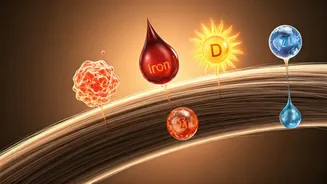
Iron deficiency is a significant contributor to hair fall, especially prevalent among women. This essential mineral plays a vital role in transporting oxygen throughout your bloodstream, and your hair follicles depend heavily on this oxygen supply for their health and vitality. When iron levels decline, the blood supply to hair follicles is compromised, gradually weakening them and initiating hair shedding. A widely recognized study in the Journal of the American Academy of Dermatology has established a strong correlation between low iron, particularly low ferritin levels, and increased hair shedding, including conditions like telogen effluvium. If you're experiencing persistent fatigue, dizziness, or a pale complexion alongside hair loss, an iron deficiency might be a contributing factor. To combat this, focus on consuming iron-rich foods such as spinach, beetroot, jaggery, dates, and lentils. For non-vegetarians, red meat is also a good source. Enhancing iron absorption can be achieved by pairing these foods with sources rich in Vitamin C, like a squeeze of lemon juice or other citrus fruits.
Vitamin D's Role
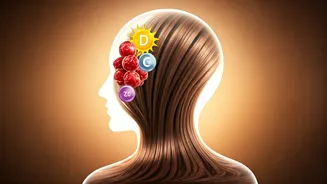
While often associated with bone health, Vitamin D also plays a crucial, though less recognized, role in maintaining healthy hair. Studies have indicated a link between low Vitamin D levels and specific types of hair loss, including patchy thinning. Research published in Dermatology and Therapy found that individuals experiencing hair loss frequently exhibited lower Vitamin D concentrations compared to those with healthy hair. The challenge lies in the fact that many people are deficient in Vitamin D without realizing it, often due to insufficient sun exposure, a common scenario in modern lifestyles where indoor activities dominate. To bolster your Vitamin D levels, aim for regular, moderate sun exposure – even 15 to 20 minutes daily can make a difference. Dietary sources include eggs, fortified dairy products, and fatty fish. If deficiencies are significant, a healthcare professional might recommend supplements.
Zinc for Repair
Zinc, though less discussed, is indispensable for hair health, actively participating in the repair and growth processes of hair follicles. It helps maintain the integrity of hair follicles and ensures proper functioning of the sebaceous glands associated with them, which produce essential oils. A deficiency in zinc can lead to hair becoming brittle, dry, and more susceptible to breakage and shedding. A study featured in the Annals of Dermatology observed that individuals experiencing hair loss often had lower zinc levels, and in some instances, increasing these levels led to an improvement in hair condition. Furthermore, low zinc can manifest as a dry, flaky scalp, exacerbating hair-related issues. Incorporating foods like pumpkin seeds, various nuts, whole grains, dairy products, and legumes into your diet is an effective way to ensure adequate zinc intake. Variety in your food choices is key here.
Biotin's Strength
Biotin, also known as Vitamin B7, is frequently lauded as a 'hair vitamin,' and while it's not a miraculous cure, it significantly contributes to hair strength. Low levels of biotin can result in hair that is brittle, prone to thinning, and more likely to break. A comprehensive review in Skin Appendage Disorders acknowledges that while biotin deficiency is not exceedingly common, it can indeed precipitate hair loss, particularly in individuals with suboptimal dietary habits or certain underlying health conditions. However, it's important to note that many individuals already consume sufficient biotin through their regular diet, and supplements aren't always necessary. Excellent dietary sources of biotin include egg yolks, nuts, seeds, bananas, and whole grains, emphasizing a food-first approach before considering supplementation.