





Rhino Realm's King
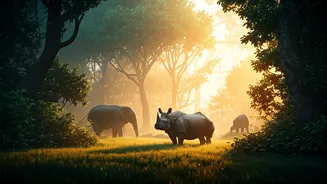
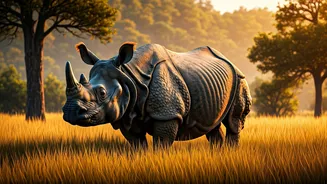
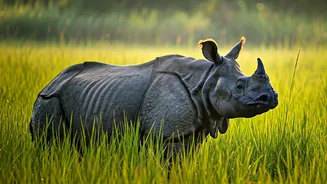
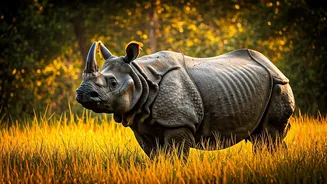
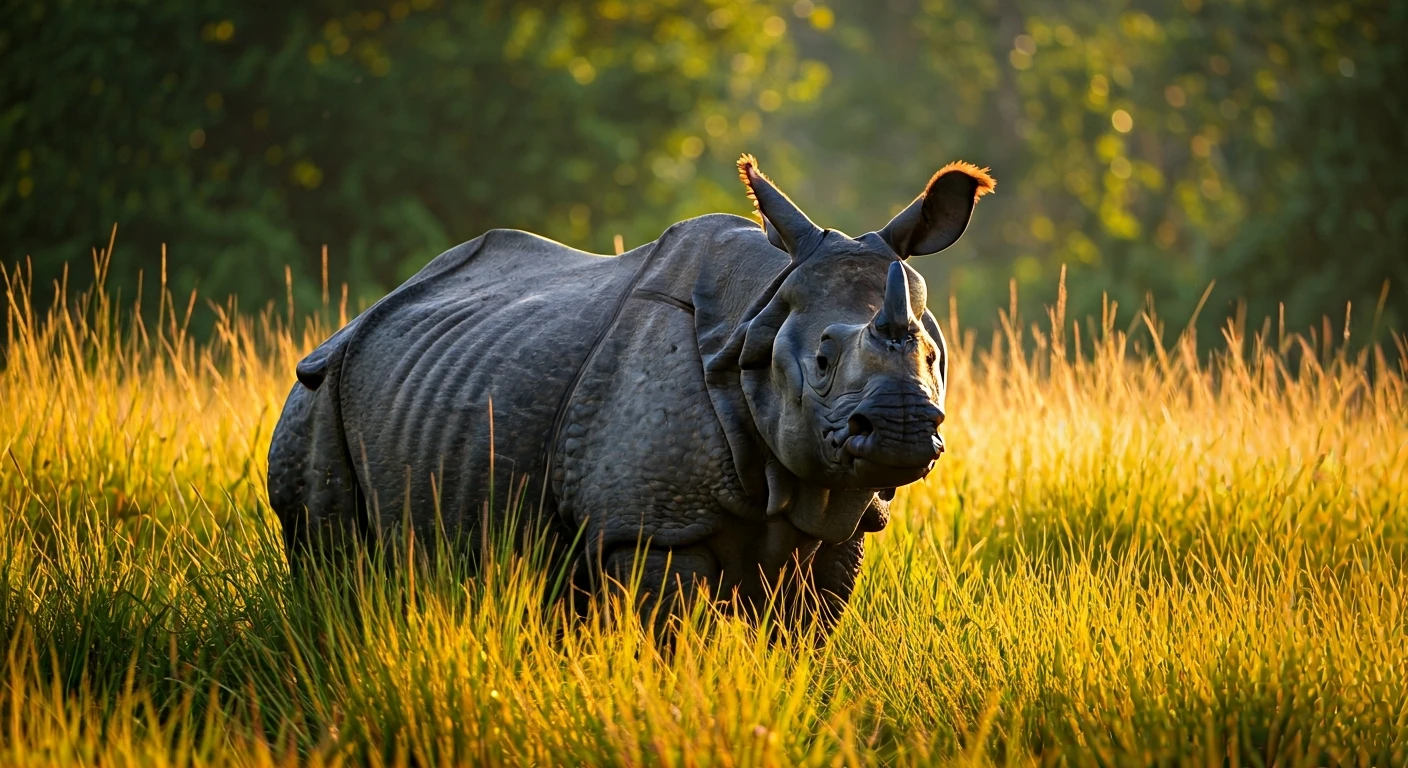
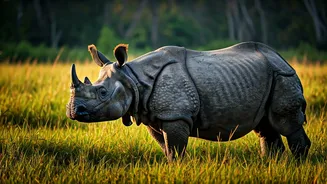
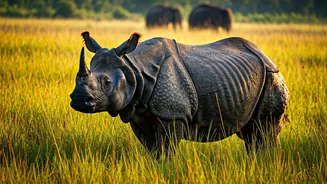
Kaziranga National Park is globally celebrated for being the sanctuary of the Indian rhinoceros, also known as the one-horned rhinoceros. This magnificent
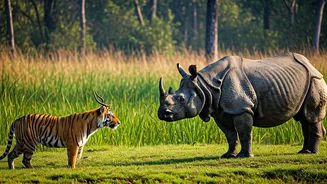
herbivore, designated as vulnerable, has seen remarkable conservation success within Assam's borders, with Kaziranga housing the planet's most substantial population. Visitors can frequently observe these robust creatures engaged in their daily routines, typically found grazing peacefully in the park's expansive grasslands or near the serene wetlands that dot the landscape. Their presence is a testament to the park's effective protection strategies and its crucial role in preserving this species.
Gentle Giants Roam
The majestic Asian elephant is another star attraction within Kaziranga's diverse ecosystem. Large herds of these intelligent beings are often spotted traversing the park's open grasslands and weaving through the scattered forest areas. Kaziranga is home to a significant number of wild elephants, and their presence is vital for maintaining the ecological balance of the region. Through their movements, they help shape the vegetation patterns and play a crucial role in seed dispersal, contributing to the overall health and regeneration of the park's flora.
Tiger's Elusive Domain
Kaziranga National Park boasts one of India's highest densities of Bengal tigers, making it a significant stronghold for this apex predator. These elusive felines prefer to inhabit the park's dense, tall grasses and the more wooded regions, where they can effectively hunt and remain hidden. While sightings of the Bengal tiger are considerably rarer compared to the park's rhinos or elephants, Kaziranga's recognition as a designated tiger reserve underscores its importance in providing a safe haven for these powerful cats.
Bovine Majesty
The wild water buffalo, recognized as one of the largest species of bovine globally, is a common sight in the marshy terrains of Kaziranga. The park is committed to safeguarding one of the most crucial populations of this endangered animal. Their distinctive, formidable horns and powerful build make them an impressive sight as they navigate the wetlands, often seen in groups. The conservation efforts within Kaziranga are paramount for the survival of this impressive species.
Antlered Swimmers
The Eastern swamp deer, also known as Barasingha, thrives in the wetland environments and open grasslands of Kaziranga. These elegant deer are easily identifiable by their impressive, multi-tined antlers, especially in the males. They are frequently observed in open clearings, peacefully grazing on the abundant vegetation. The park's unique habitat perfectly suits their needs, providing ample food and safe spaces for them to flourish, contributing to their significant population here.
Shadowy Hunter
Though notoriously shy, the Indian leopard also graces Kaziranga National Park with its presence. These solitary predators typically inhabit the more densely forested areas of the park and are most active during the twilight hours of early morning and late evening. Consequently, spotting a leopard is a rare and special occurrence for safari-goers, though not impossible. Their stealthy nature makes them masters of their environment, blending seamlessly with the shadows.
Swift Grazers
Among the most frequently encountered herbivores in Kaziranga is the hog deer. Smaller in stature than the swamp deer, these agile creatures are perfectly adapted to the tall grassland habitats that define much of the park. They are often observed in herds near water bodies, diligently grazing on the lush grasses. Their quick movements and constant vigilance are characteristic of their nature, making them a common yet charming sight for visitors.
Termite Devourers
Another species found within Kaziranga's diverse wildlife roster is the sloth bear. While sightings are less common due to their somewhat reclusive habits, these bears play a unique role in the ecosystem. They primarily inhabit the forested sections of the park and are particularly known for their diet, which consists largely of termites, ants, and various fruits. Their distinctive shaggy appearance and long claws are adapted for digging and foraging.