


Bridging the LPG Gap
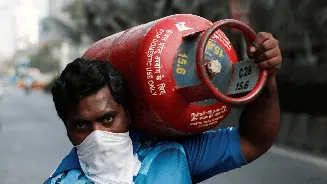
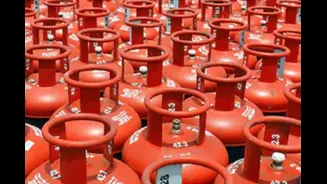
The geopolitical climate in West Asia, particularly the ongoing conflict involving Iran, has created significant uncertainty for India's Liquefied Petroleum
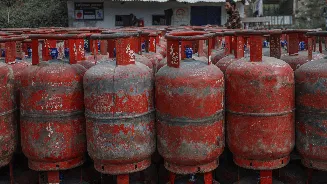
Gas (LPG) supply. As a nation heavily reliant on imports for its cooking gas needs, with the majority sourced from Middle Eastern countries, any disruption in this region directly impacts Indian households and culinary businesses. Concerns are mounting over delayed shipments, logistical hurdles, and escalating fuel prices, leading to reports of cylinder shortages in various cities. This situation necessitates a proactive approach, encouraging the exploration of alternative cooking methods and recipes that minimize or eliminate the need for LPG, ensuring that kitchen operations can continue uninterrupted.
Exploring Gas Alternatives
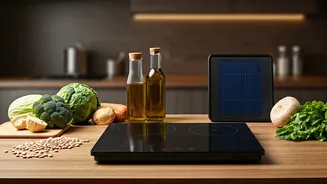
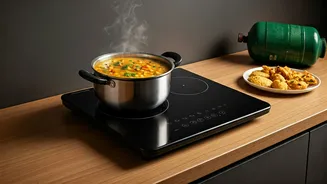
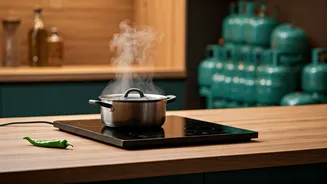
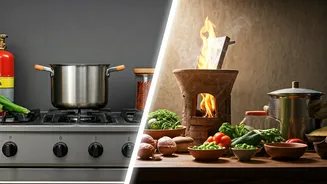
When LPG supply is uncertain, several reliable alternatives can power your kitchen. Piped Natural Gas (PNG) offers a continuous, cleaner, and safer supply through underground networks, eliminating the hassle of refills and delivery. Electric cooktops, compatible with various cookware, provide efficient heating and are a practical choice, especially during price volatility. Induction stoves, utilizing electromagnetic technology, are highly energy-efficient and well-suited for Indian cooking styles, though they require specific ferromagnetic cookware. For quick meals and snacks, air fryers are versatile for frying, roasting, and grilling with minimal oil, while microwave ovens are useful for reheating and rapid cooking. Additionally, renewable options like solar cookers (weather permitting) and biogas plants, which convert organic waste into usable gas, present sustainable solutions for energy needs.
No-Cook & Quick Meal Ideas
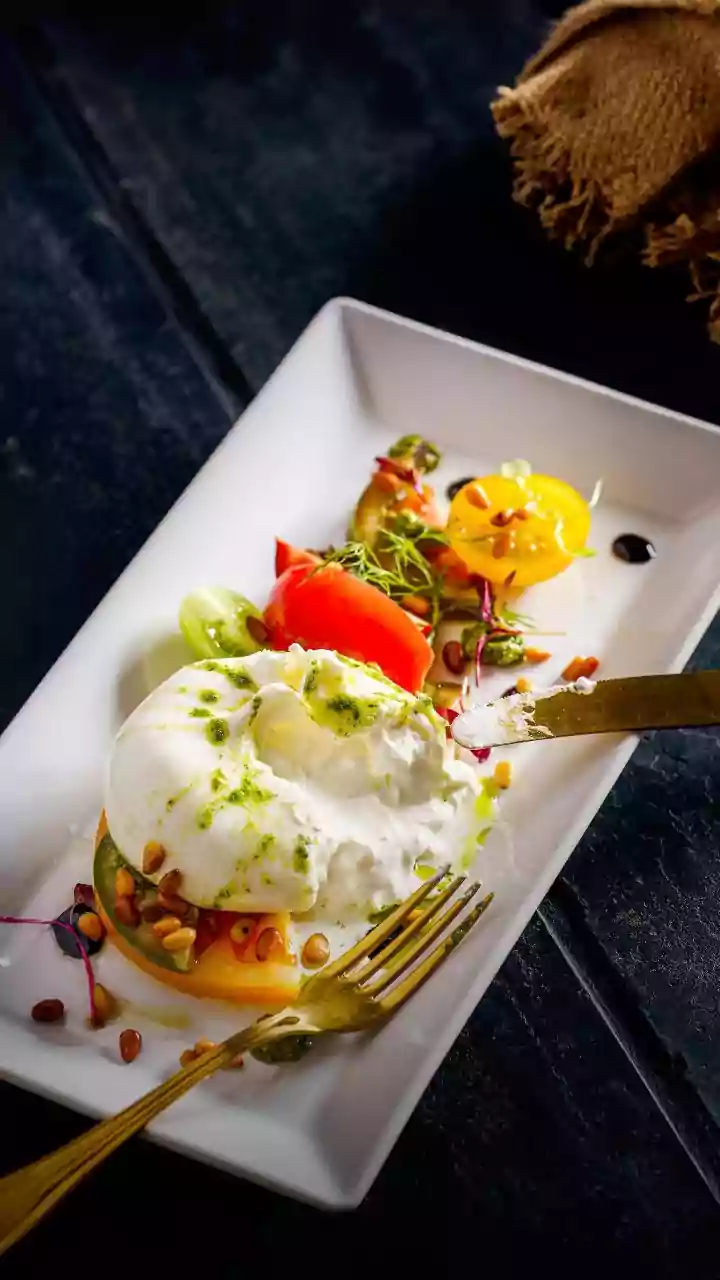
In times of fuel scarcity, embracing no-cook and minimal-cook meal options is a smart strategy. Vibrant salads and chaats, like sprouted moong chaat with its mix of sprouts, vegetables, and spices, or peanut chaat with tangy chutneys, are quick and satisfying. Refreshing raitas, such as beetroot or cucumber raita blended with yogurt and spices, serve as excellent cooling accompaniments. For a light yet filling option, lemon poha or curd poha, made with flattened rice and simple seasonings, are ideal. Don't forget the convenience of pickles and chutneys, like a quick instant amla pickle or a zesty ginger-curry leaf chutney, which can elevate any meal with minimal effort. For sweet cravings, date-nut laddus or a simple fruit chaat offer healthy and no-fuss dessert choices.
Fuel-Efficient Indian Classics
Traditional Indian cuisine offers numerous dishes that can be prepared with significantly less fuel or electricity. Pressure cooker favorites like simple dal or dal tadka, and khichdi, drastically cut down cooking times for lentils, rice, and vegetables, saving energy. For rotis and flatbreads, using a heavy cast-iron tawa over a low flame allows for efficient heat retention, and preparing dough in advance can speed up the cooking process. Quick stir-fry dishes such as bhindi masala or aloo jeera, and vegetable poriyal, cook rapidly on high heat, requiring minimal fuel. One-pot curries like rajma or chole benefit immensely from pressure cooking to reduce simmering duration, and vegetable pulao can be made quickly by cooking soaked rice and vegetables together under pressure.
Optimizing Roti Making
Making rotis efficiently can reduce energy consumption by an estimated 20-30%. This involves strategic dough preparation and heat management. Using warm water to knead dough enhances its elasticity, and allowing it to rest for 15-30 minutes makes rolling easier. Preheating your tawa or induction plate on medium-high heat for a few minutes before cooking is crucial. Once cooking begins, reduce the heat to medium. Cast-iron tawas are particularly effective as they retain heat longer. Aim to cook each roti for approximately 30-40 seconds per side, limiting flips to about three turns. On electric or induction cooktops, gently pressing the edges with a cloth can help the rotis puff up effectively. Rolling out 4-6 rotis before starting to cook and storing them immediately in an insulated casserole helps maintain their softness and warmth.