







Culinary Contrasts Unveiled
The culinary traditions of East and West Bengal, often perceived through a lens of regional identity, present a fascinating tapestry of distinct tastes
and techniques. While those from West Bengal, referred to as 'Ghotis,' might critique their East Bengali counterparts ('Baangals') for an overzealous use of spices and oil, leading to what they consider overcooked fish, the Baangals often counter that Ghotis subdue the fish's natural flavor by frying it excessively and sweetness to their dishes. This perception extends to how staple grains are consumed; a common stereotype suggests Baangals favor chapatis over rice, a notion considered almost sacrilegious in Bengali culture. Furthermore, even within religious communities, differing approaches to seasoning are noted, with a perception that Bengali Muslims rely heavily on onions and garlic, while Bengali Hindus might favor simpler cumin-based flavors for meat dishes. These culinary dialogues, though sometimes presented with lighthearted banter, underscore the nuanced ways in which regional backgrounds shape everyday cooking and eating habits.
Maacher Jhol: A Bengali Staple
The true measure of a Bengali kitchen's prowess, whether in West or East Bengal, is often judged by the exquisite flavor of its fish curry, known as 'maacher jhol.' This light, thin gravy serves as a cornerstone of Bengali lunches throughout the year, defying the common North Indian practice of avoiding fish during months lacking an 'r' in their name. However, even within this beloved dish, a significant divergence exists between Ghoti and Baangal households. Ghotis typically prepare their fish by lightly frying or even deep-frying pieces marinated in turmeric and salt before introducing them to the gravy. In stark contrast, Baangals tend to avoid frying fish altogether, believing it compromises both the delicate texture and inherent taste. Many, including the author, lean towards the Baangal approach, opting for a gentle sauté at most before proceeding with the Bengali-style cooking. This fundamental difference in fish preparation highlights a core distinction in culinary philosophy.
The Unifying Hilsa
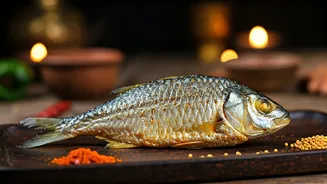
Despite the culinary distinctions, a singular ingredient powerfully bridges the divide between East and West Bengal: the magnificent ilish, or hilsa fish. Revered as the king of fish in undivided Bengal, its allure is so profound that legendary tales speak of boatmen fishing for it through the night on the Padma River in Bangladesh. The fish's cultural significance is so deep that the gentle drizzle of early monsoon rains, often appearing as mist, is poetically termed 'ilshe guri' – 'ilshe' for hilsa and 'guri' meaning grain or powder. Even the staunchest Ghoti in West Bengal acknowledges the unparalleled quality of ilish from the Padma. However, when it comes to preparation, variations emerge. In West Bengal, ilish is often steamed in banana leaves with mustard, prepared in a delicate gravy to highlight its natural flavors, or simply fried and served with its own mustard oil. Baangals, conversely, showcase greater culinary adventurousness, preparing ilish with ingredients like coconut milk or even onions and ghee, demonstrating a creative flair that further distinguishes their approach to this cherished fish.
East Bengal's Distinct Flavors
The culinary reputation of East Bengal extends notably to its meat and chicken preparations, often described as legendary. Yet, these dishes face critiques from the Ghoti perspective, who perceive that Baangals apply the same robust treatment to vegetables as they do to meat – cooking them with generous amounts of onions and green chilies, resulting in dishes that are heavily spiced. The article also highlights a particular fondness for spinach across both Bengals, with Bengalis consuming around 14 varieties. However, a unique spinach variety, Dhenki Saag, a delicate fern-like leafy vegetable that is not easily cultivated in West Bengal but is abundant in present-day Bangladesh, is a special treat. This saag is typically prepared with finely diced potatoes, small shrimp, freshly ground mustard seeds, grated coconut, green chilies, turmeric, and salt, showcasing the distinct flavor profiles of East Bengali cuisine. Furthermore, Baangals are known for their love of cooking duck, with dishes like Duck Bhuna and Handi Kabab (traditionally made with thinly sliced beef but adaptable to mutton) being exceptionally flavorful when served with pulao or porothas.