






Introduction: Inflammation Explained
Inflammation is a natural bodily response to injury or infection, designed to protect and heal. However, when inflammation becomes chronic, it can contribute
to various health problems. Understanding the causes and effects of inflammation is the first step toward managing it. Factors such as poor diet, stress, and environmental toxins can trigger or worsen chronic inflammation. Adopting an anti-inflammatory diet is a simple yet powerful way to reduce inflammation and improve overall health. This dietary approach emphasizes nutrient-rich foods while limiting processed items and foods high in sugar and unhealthy fats. The benefits are numerous, including reduced risk of chronic diseases like heart disease, diabetes, and arthritis. Moreover, it can enhance energy levels, improve mood, and promote overall well-being. This article highlights 10 commonly available foods in India that possess potent anti-inflammatory properties, showing how to incorporate them into your daily diet and providing simple methods and recipes to enjoy them.
Turmeric: The Golden Spice
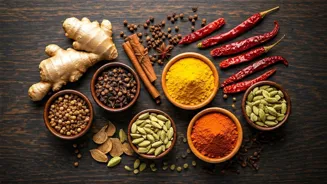
Turmeric, a vibrant yellow spice, is a staple in Indian cuisine and a powerhouse of health benefits. Its primary active compound, curcumin, is well-known for its potent anti-inflammatory effects. Curcumin works by blocking a molecule called NF-kB, which triggers inflammation in the body. To boost the absorption of curcumin, it’s best to consume turmeric with black pepper, as piperine in black pepper enhances curcumin's bioavailability. Include turmeric in your daily diet by adding it to curries, dals, and even smoothies. The spice is also available in supplement form, but consulting a healthcare professional before using supplements is important. Regular consumption of turmeric can help alleviate symptoms of arthritis, reduce muscle soreness, and contribute to overall wellness. It is a versatile spice that can easily be incorporated into your daily diet. From adding a pinch to your morning tea to making a golden milk latte, the possibilities are endless. Remember, the key is consistency to unlock its full potential.
Ginger: Inflammation Fighter
Ginger, another common spice in Indian households, is revered for its medicinal properties, including its anti-inflammatory effects. Ginger contains gingerol, a bioactive compound with potent antioxidant and anti-inflammatory properties. Gingerol helps in reducing inflammation by inhibiting the production of inflammatory compounds in the body. It can be particularly helpful in relieving symptoms of conditions like osteoarthritis and rheumatoid arthritis. Furthermore, ginger can also soothe digestive issues, reducing nausea and bloating. Incorporate ginger into your diet by adding it to tea, curries, or stews. You can also take it in the form of ginger juice or ginger supplements, but consult with a healthcare professional before taking the supplements. Ginger has a distinct flavor that adds depth to various dishes while simultaneously supporting your health. Start by grating some fresh ginger into your morning ginger-lemon tea or adding it to your favorite vegetable stir-fries to unlock its anti-inflammatory and digestive benefits.
Garlic: Powerful Ingredient
Garlic is a culinary staple and a nutritional powerhouse, well-known for its anti-inflammatory and immune-boosting properties. It contains allicin, a compound that forms when garlic is crushed or chopped. Allicin breaks down to form other compounds that have potent anti-inflammatory and antioxidant effects. Research suggests that garlic can help reduce inflammation related to conditions like cardiovascular disease and arthritis. Consuming garlic regularly can contribute to improved heart health and boost the body’s immune response. Enhance your meals with garlic by adding it to your curries, sautéed vegetables, or homemade dressings. Roasted garlic also offers a sweeter, milder flavor that can add depth to any dish. While garlic is generally safe, excessive consumption can cause digestive issues in some individuals. Incorporating garlic into your diet can be as simple as adding a few cloves to your favorite dishes or starting the day with a garlic-infused meal to bolster your health.
Chillies: Spicy Benefits
Chillies, a spicy favorite in Indian cuisine, also offer significant health benefits, including anti-inflammatory properties. The active component, capsaicin, gives chillies their heat and is a potent anti-inflammatory agent. Capsaicin works by reducing the production of substance P, a neuropeptide involved in the inflammatory process. Consuming chillies can help in reducing pain and inflammation associated with arthritis and other inflammatory conditions. Moreover, chillies have been linked to improved metabolism and weight management. Incorporate chillies into your diet by adding them to curries, stir-fries, and chutneys. Start with small amounts and gradually increase the quantity to match your taste preferences. Using fresh chillies, dried chillies, or chilli powder can add both flavor and health benefits to your meals. Remember that while chillies can be beneficial, moderation is key, as excessive consumption can lead to digestive discomfort.
Leafy Greens: Nutrition Powerhouses
Leafy green vegetables like spinach, kale, and methi are packed with essential nutrients and possess significant anti-inflammatory properties. These greens are rich in antioxidants like vitamins A, C, and K, along with various flavonoids, which help combat inflammation. Antioxidants neutralize free radicals, preventing cellular damage and inflammation. Leafy greens are also excellent sources of fiber, which supports digestive health and further reduces inflammation. Incorporate leafy greens into your diet by adding them to salads, smoothies, or stir-fries. Steam, sauté, or lightly boil the greens to make them easier to digest and increase nutrient absorption. Starting your day with a green smoothie, or adding a handful of spinach to your lunch, is a simple way to boost your daily intake of these nutrient-rich foods. Consuming a variety of leafy greens ensures a balanced intake of various vitamins and minerals, contributing to overall health and reducing inflammation.
Tomatoes: Lycopene Rich
Tomatoes, a versatile ingredient in Indian cuisine, are packed with the antioxidant lycopene, which has potent anti-inflammatory properties. Lycopene helps reduce inflammation by neutralizing free radicals and preventing cell damage. It is a type of carotenoid, giving tomatoes their red color. Studies show that lycopene can reduce the risk of several chronic diseases, including heart disease and certain types of cancer. Tomatoes are also rich in vitamins and minerals, contributing to overall health. Incorporate tomatoes into your diet by adding them to curries, salads, and soups. Cooked tomatoes release more lycopene, making tomato-based sauces and dishes even more beneficial. Enjoy a refreshing tomato salad or add chopped tomatoes to your breakfast omelette or scrambled eggs. Choose fresh, ripe tomatoes for the best flavor and nutritional value. Ensuring that you include tomatoes in your daily diet will support your health and reduce inflammation.
Berries: Antioxidant Boost
Berries, like strawberries, blueberries, and raspberries, are rich in antioxidants and possess significant anti-inflammatory properties. These fruits contain anthocyanins, a type of flavonoid responsible for their vibrant colors and their ability to combat inflammation. Anthocyanins work by reducing the body's inflammatory response and protecting cells from damage. Berries are also high in fiber and vitamins, offering numerous health benefits. Incorporate berries into your diet by adding them to your breakfast cereal, smoothies, or yogurt. Enjoy a handful of berries as a snack or use them in desserts. Berries are highly versatile and can be eaten fresh, frozen, or incorporated into jams and sauces. Eating berries regularly can help reduce your risk of chronic diseases and support overall well-being. Choosing a variety of berries ensures a range of different antioxidants and benefits.
Olive Oil: Healthy Fats
Olive oil, particularly extra virgin olive oil, is a staple in the Mediterranean diet and has strong anti-inflammatory properties. It is rich in monounsaturated fats and antioxidants, including oleocanthal, a compound that acts similarly to ibuprofen in reducing inflammation. Oleocanthal blocks the production of inflammatory enzymes, making olive oil a powerful ally against inflammation. Olive oil is also beneficial for heart health and supports overall wellness. Incorporate olive oil into your diet by using it in cooking, salad dressings, and marinades. Choosing extra virgin olive oil ensures the highest concentration of beneficial compounds. Use olive oil in place of other fats to sauté vegetables, add it to your soups, or drizzle it over finished dishes. Olive oil’s rich flavor enhances the taste of food while offering significant health advantages, so ensure it is a regular part of your diet.
Fatty Fish: Omega-3 Power
Fatty fish, such as salmon, mackerel, and sardines, are rich in omega-3 fatty acids, which have potent anti-inflammatory properties. Omega-3s help reduce inflammation by lowering the production of inflammatory molecules in the body. These essential fats are vital for brain health, heart health, and reducing the risk of chronic diseases. Consuming fatty fish regularly is crucial for maintaining optimal health and reducing inflammation. Incorporate fatty fish into your diet by eating it at least twice a week. You can grill, bake, or pan-fry fatty fish to retain its nutritional value. If you are not a fan of fish, you can also consider taking omega-3 supplements after consulting a healthcare professional. Ensure that you include fatty fish or an omega-3 supplement in your diet to experience the anti-inflammatory benefits and promote better health.