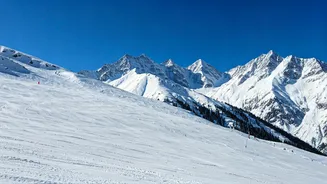








Auli's Snowfall Decline
The picturesque slopes of Auli, once renowned for their abundant snowfall and vibrant skiing culture, are facing an unprecedented crisis. Over the recent
years, a noticeable decrease in snowfall has been observed, casting a shadow over the skiing season. The fundamental reason behind this decline is climate change, which has led to erratic weather patterns and warmer temperatures in the region. These warmer conditions prevent snowfall, and even if it does occur, it melts rapidly, making the slopes unsuitable for skiing. This drastic reduction in snowfall has directly impacted the tourism sector, as fewer tourists are drawn to the area. This impacts local businesses that rely on the winter season.
Climate Change's Role
Climate change, caused largely by human activities, acts as the primary driver behind Auli's changing climate conditions. Increased levels of greenhouse gases trap heat in the atmosphere, leading to a global rise in temperatures. This warming effect is particularly noticeable in mountainous regions like Uttarakhand, where even a slight temperature increase can have major consequences. The warmer weather reduces the amount of snowfall and also causes glaciers to melt at an accelerated rate, potentially leading to long-term water scarcity. Consequently, the combination of altered weather patterns and reduced snow cover poses a profound challenge to Auli's skiing industry, endangering both the environment and the local economy that relies on it.
Impact on Tourism
The dwindling snowfall in Auli has had a significant impact on the region's tourism sector, a cornerstone of its economy. Ski enthusiasts and tourists who once flocked to Auli during the winter season have either been dissuaded or forced to seek alternative destinations. This decline in tourist numbers has affected the local businesses, including hotels, restaurants, and ski equipment rental services, leading to financial losses and job cuts. Furthermore, the reduced influx of tourists diminishes the overall economic activity in the area, affecting the livelihood of many local residents. The need for tourism industry adaptation, such as promoting alternative activities, has become crucial to counteract the negative effects of less snow and maintain economic stability.
Future Uncertainties
The future of skiing in Auli appears uncertain in light of continuing climate change and the lack of snowfall. If current trends persist, Auli might lose its identity as a skiing destination, causing irreversible damage to the local economy and culture. Moreover, changes in climate could have broader environmental consequences, affecting the region's water resources and biodiversity. Addressing these challenges requires a multifaceted approach, combining actions at the local, regional, and national levels. Promoting sustainable tourism practices, adopting climate change mitigation strategies, and investing in alternative income sources for locals will be crucial in ensuring that Auli remains a vibrant and economically sound destination, despite the challenges brought on by the changing climate.