



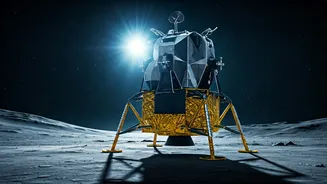
Endurance Undergoes Space Trial
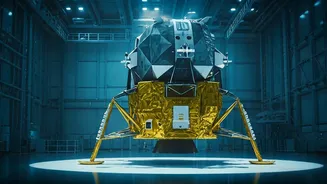
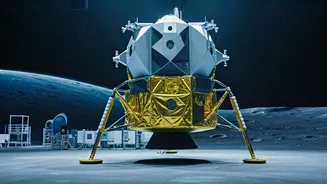
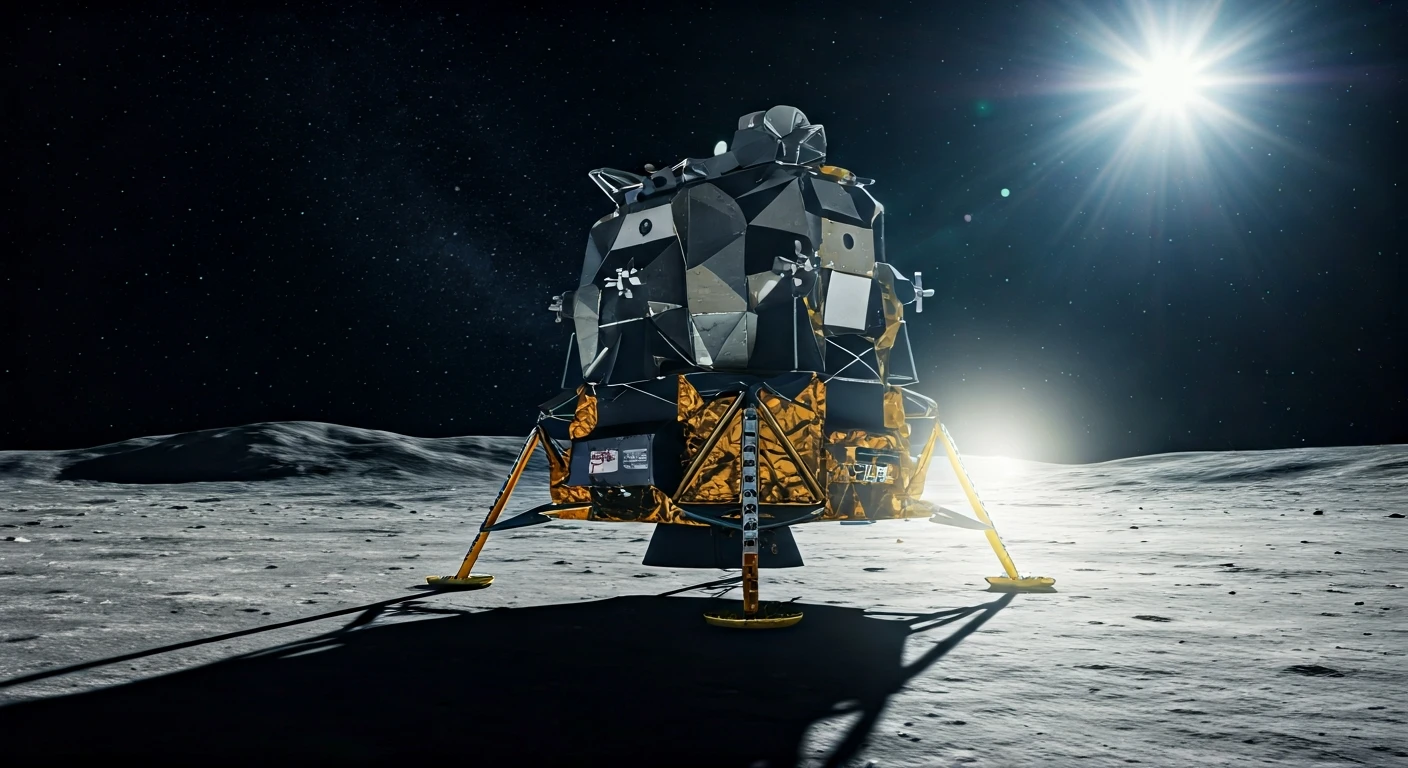
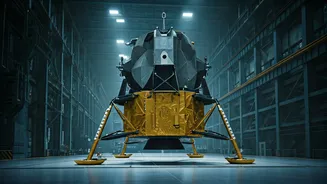
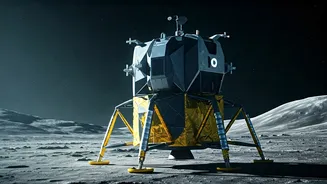
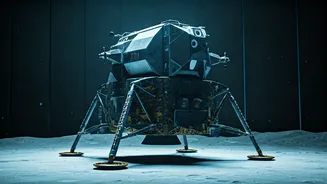
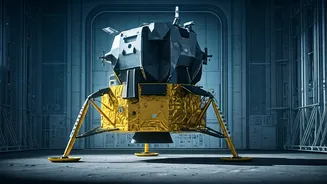
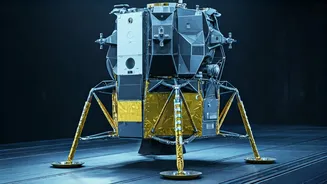
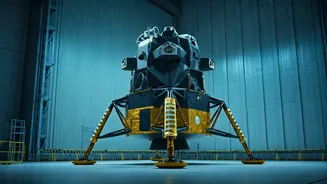
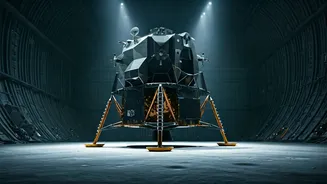
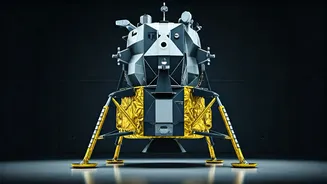
Blue Origin has achieved a significant milestone with its uncrewed lunar lander, codenamed "Endurance" (also known as Blue Moon Mark 1 or MK1). This vital
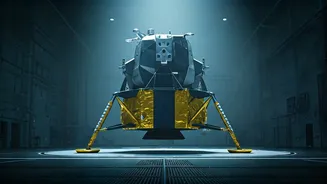
piece of hardware recently underwent a series of intense environmental tests within a specialized vacuum chamber at NASA's Johnson Space Center. Specifically, the lander was subjected to the extreme conditions it will encounter during its journey to the Moon. This included simulating the frigid temperatures and near-vacuum environment of space. The primary objective of these tests was to unequivocally confirm that the lander’s fundamental systems and overall structural integrity are robust enough to perform flawlessly in the harsh lunar environment. Engineers meticulously recreated the exact conditions the spacecraft will face during its transit, ensuring that its thermal control systems and propulsion capabilities are fully prepared for the rigors of space travel and landing. This collaborative effort between NASA and Blue Origin, facilitated by a Space Act Agreement, is a crucial step in validating the technology for upcoming lunar endeavors.
Unmanned Cargo for Lunar Goals
The "Endurance" lander is designed exclusively for cargo transport, not for carrying astronauts. Its primary role is to deliver essential supplies and equipment to the Moon's surface as a key component of NASA's ambitious Artemis program. This unmanned vehicle is tasked with demonstrating several critical functionalities essential for a successful lunar landing. Among these are precise landing techniques, the effective utilization of cryogenic propellant systems for propulsion, and the autonomous execution of guidance, navigation, and control functions. The target landing site for "Endurance" is the Moon's south pole, an area of significant interest due to its potential for future lunar bases, largely because of the presence of water ice, a valuable resource for sustained exploration. Beyond its own operational objectives, "Endurance" will also host and deploy scientific instruments, including the Stereo Cameras for Lunar Plume-Surface Studies, designed to observe engine plume interactions with the lunar surface during descent, and a Laser Retroreflective Array.
Foundation for Human Missions
Although "Endurance" is a cargo-focused mission, it serves as a foundational element for more complex future operations, particularly the development of Blue Origin's Mark 2 (MK2) lander. This upcoming MK2 lander is envisioned to be larger and crew-capable, intended to ferry astronauts between lunar orbit and the Moon's surface. The wealth of data and experience gained from the design, testing, and operational phases of "Endurance" will directly inform and enhance the safety, reliability, and overall mission planning for these future human expeditions. By successfully validating the technologies and procedures with an uncrewed mission, Blue Origin and NASA are building a robust framework for the eventual safe return of humans to the Moon, ensuring that lessons learned from "Endurance" contribute to a more secure and efficient path forward for lunar exploration.
Pathway to Sustained Lunar Presence
The partnership between NASA and Blue Origin, formalized through their Space Act Agreement, is designed to accelerate progress in lunar exploration. By allowing private companies like Blue Origin to leverage NASA's extensive resources and expertise, the pace of development can be significantly increased without compromising on safety standards. With the completion of its rigorous testing phase, the "Endurance" lunar lander has moved substantially closer to becoming a functional reality. This unmanned cargo delivery system represents a critical step in establishing the infrastructure necessary for a sustained human presence on the Moon. The successful validation of "Endurance" not only signifies a personal achievement for Blue Origin but also marks a collective stride towards the broader objectives of long-term lunar exploration and settlement.