



Global Pancake Recognition
TasteAtlas, a renowned culinary guide, has unveiled its latest global ranking of the Top 100 Pancakes, and a remarkable eleven Indian culinary creations
have proudly secured their places among the world's best. This prestigious list, which includes esteemed entries like French crepes and Latvian potato pancakes, highlights the diverse and exceptional nature of flatbreads consumed worldwide. The inclusion of these Indian dishes signifies a global appreciation for their unique flavors and culinary artistry, moving beyond traditional Western notions of what constitutes a pancake. This recognition is a testament to the rich gastronomic heritage of India, showcasing its ability to produce dishes that resonate with international palates and stand shoulder-to-shoulder with global favorites. The ranking methodology, based on 8,811 ratings, aims to celebrate local culinary excellence and encourage exploration of diverse food traditions.
Desi Delights Shine Bright
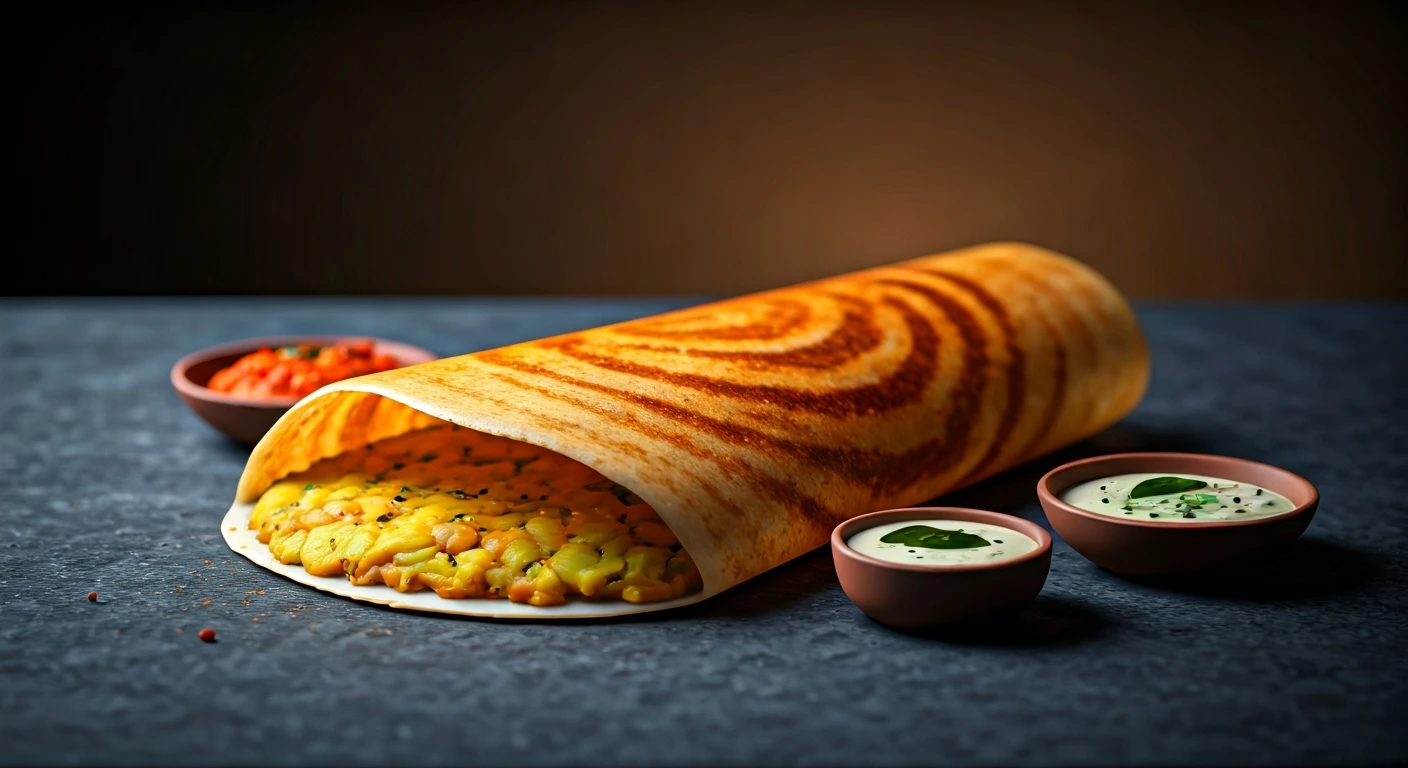
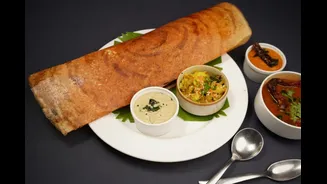
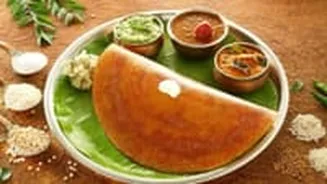
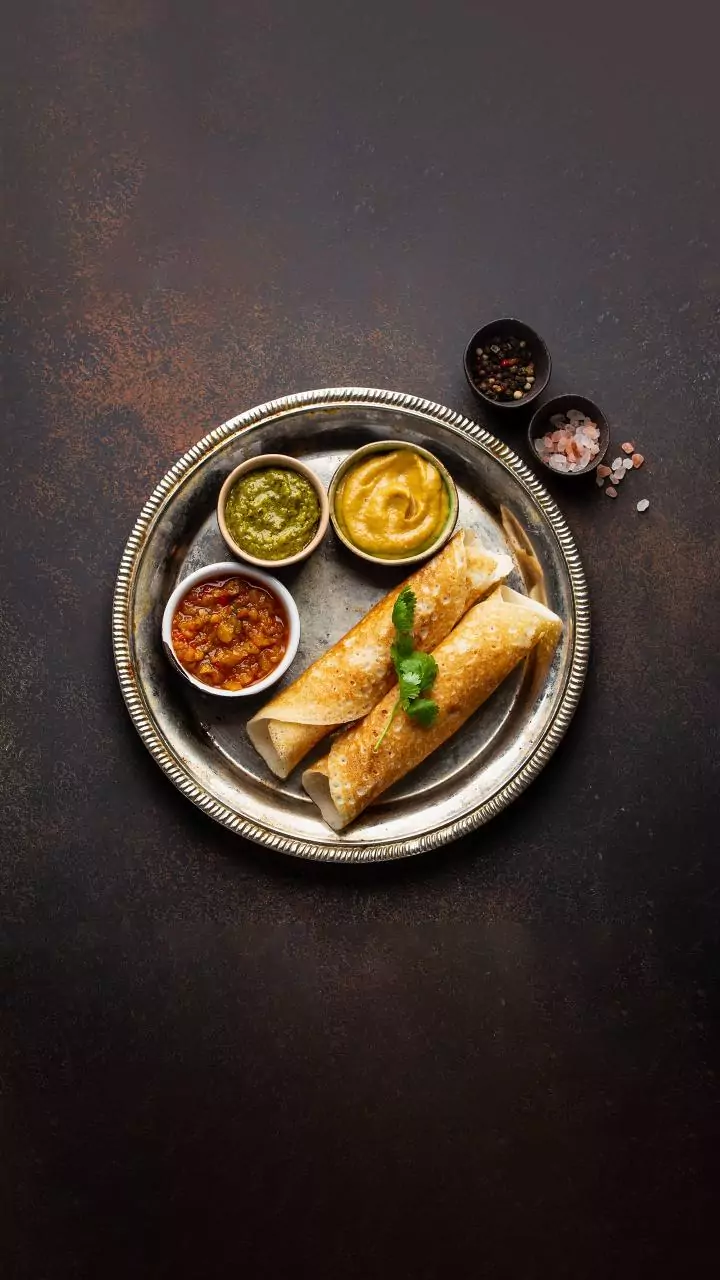
Leading the charge for India is the iconic Masala Dosa, impressively ranked at the 6th position, showcasing its widespread appeal. Following closely are Dosa from Tamil Nadu at 15th and its thinner counterpart, Paper Dosa, also from Tamil Nadu, at 35th. The list further celebrates Appam from Kerala, securing the 60th spot, and Pesara Dosa from Andhra Pradesh at 63rd. Uttapam, a South Indian staple hailing from Tamil Nadu, earns its place at 74th, while Neer Dosa from Karnataka is recognized at 84th. Further down, Malpua stands at 85th, Kallapam from Kerala at 95th, Rava Dosa at 96th, and finally, Pitha from Odisha rounds off the Indian contingent at a commendable 98th position. Each of these dishes represents a unique facet of Indian cuisine, proving that the concept of 'pancakes' extends far beyond conventional definitions.
Secrets of Indian 'Pancakes'
The exceptional standing of these Indian dishes on a global pancake list stems from a confluence of factors beyond mere taste. Fermentation plays a pivotal role; for instance, the batter for dosa is traditionally left to ferment overnight, developing a characteristic tang and airy texture that is crucial to its appeal. This process requires careful attention and patience. Furthermore, the precise technique involved in creating the perfect dosa – achieving those delicate, crispy edges while maintaining a soft, yielding center – is a skill honed over generations. Beyond the batter itself, the artful pairing with accompaniments like savory sambar and aromatic chutneys offers a distinct culinary experience, setting them apart from the maple syrup-drizzled counterparts common in other cultures. This unique combination of ingredients, fermentation, and expert preparation contributes significantly to their international acclaim.
Regional Roots and Reach
While TasteAtlas often associates specific dishes with a single state, the reality of Indian cuisine is one of delicious overlap and widespread love. Dosa and Uttapam, for example, are not confined to Tamil Nadu but are beloved staples enjoyed across the entirety of South India. Similarly, Appam, though most famously linked to Kerala, also finds its place in the culinary traditions of Tamil Nadu and beyond. Pitha, recognized from Odisha, is also a popular delicacy in neighboring West Bengal and Assam, illustrating the fluid boundaries of regional Indian food. This interconnectedness highlights how many of these dishes are integral to the culinary fabric of multiple Indian states, evolving with local nuances while retaining their core identity. This broad appeal underscores their significance in the national gastronomic landscape.
Sweet Endings and Shared Flavors
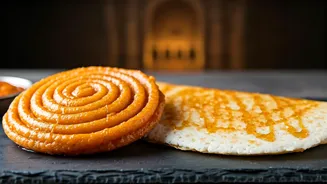
Malpua, a delightful sweet pancake, holds a special place in the culinary traditions of India, often served during religious festivals and celebrations. It is a common offering at the revered Jagannath Temple in Puri and a regular feature at the sweet stalls during Indian weddings, signifying its festive and celebratory nature. While each state might impart its distinct flavor variations to dishes like Malpua, its fundamental appeal as a sweet indulgence remains constant. This variation, combined with its rich cultural significance, contributes to its widespread popularity. The inclusion of Malpua alongside savory dosas on a global pancake list emphasizes the broad spectrum of Indian flatbreads and their diverse culinary roles, from everyday meals to special occasion treats.