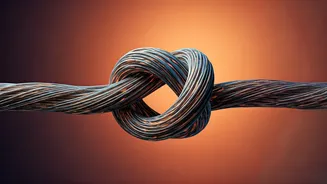







Compatibility vs. Real Connection
While many believe that shared interests and inherent compatibility are the cornerstones of a successful partnership, relationship repair expert Baya Voce
offers a different perspective. She posits that while these factors are pleasant additions, they are not the fundamental drivers of enduring relationships. Instead, Voce emphasizes that the capacity to remain present during moments of emotional turbulence, both personal and with one's partner, is the truly critical element. This involves being able to withstand difficult feelings without the immediate urge to fix them or escape the situation entirely. This ability to weather emotional storms together, rather than avoiding conflict or seeking immediate resolution, is the actual 'muscle' that strengthens bonds and fosters genuine intimacy over the long term, leading to deeper connection than superficial shared traits might suggest.
Mastering Emotional Discomfort
Understanding the concept of 'staying present' with discomfort is key to grasping Voce's argument. It means being able to sit with feelings of unease, hurt, or frustration without feeling compelled to immediately alleviate them or withdraw. For instance, if your partner is upset, can you remain in the situation without rushing to defend yourself or explain your actions? It also involves self-awareness: recognizing when you're beginning to shut down emotionally or getting caught in a negative cycle, and then taking ownership of your reactions and their impact. Even when it feels unfair or you fear you might misstep, acknowledging your role is vital. This conscious effort to manage one's internal state and external interactions during challenging times is what truly underpins relationship resilience and health.
Navigating Rough Waters Together
The conventional wisdom often focuses on maintaining romance through date nights or improving communication through reading self-help books. However, Voce argues that while these efforts can be beneficial, they pale in comparison to the importance of handling the less glamorous aspects of a relationship. She suggests that in the heat of an argument, any learned communication tools are likely to be forgotten. The real difference-maker isn't about having the perfect techniques or even emotional fluency gained from reading, but about the ingrained ability to move through difficult emotional experiences collectively. Couples who thrive don't shy away from conflict; rather, they cultivate the resilience to navigate challenging moments without causing irreparable damage to their bond, acknowledging that proficiency comes through consistent practice and experience.