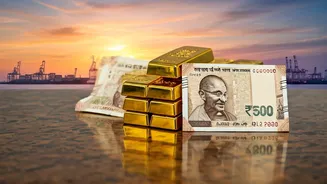









Rupee's Strength Explained
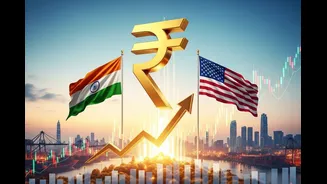
The Indian Rupee experienced a notable surge, climbing by 1% according to reports. This rise was triggered by a reduction in US tariffs on Indian imports,
which were lowered to 18%. This shift in policy had a positive impact on the Rupee, boosting its value against other currencies. However, analysts from Kotak expressed caution, suggesting that this positive trend might not be sustainable over the short term. The financial market's reaction to the tariff reduction highlighted the sensitivity of the Indian economy to international trade dynamics and the importance of trade relations with major economies like the US. Such shifts can quickly impact the value of the Rupee. Consequently, investors and financial planners must keep up to date with global trade policy.
Gold's Market Rebound
Gold prices in India showed significant volatility, experiencing a sharp recovery in the market. MCX Gold Futures saw a substantial increase, jumping by 3% in early trading. Further analysis revealed that the price of gold had risen by 4.65%. These fluctuations are crucial for understanding the financial market’s broader picture. This rise in gold prices could be attributed to multiple factors, including international market dynamics and the overall economic sentiment within India. Investors who monitor gold prices closely can often see its shifts as indicators of market stability. The gold market's ability to recover indicates its continuing relevance as an investment, especially during times of economic turbulence.
Broader Economic Impacts
The economic indicators discussed offer insight into the current state of India's financial situation. The Rupee's gain, influenced by tariff adjustments, displays India's sensitivity to global economic policies. Gold's price fluctuations underscore the instability and changing investment moods. These factors, viewed together, provide a view of the Indian market's complex environment. The analysis of the economic elements helps illustrate the interconnections between different aspects of finance. This offers a more in-depth picture of the forces that affect India's economic health.