





The Invisible Threat
While cooking rice is straightforward, its preparation for meal prepping carries a subtle but significant health risk. Dr. Kunal Sood, a physician from
Maryland, highlights that cooked rice can harbor heat-resistant spores of Bacillus cereus. These resilient spores can survive the cooking process. If this cooked rice is then left at room temperature, these spores can awaken, multiply, and release potent toxins directly into the food. Alarmingly, even thorough reheating, which might kill the active bacteria, often fails to neutralize these pre-existing toxins. This means rice can appear and smell perfectly fine but still be capable of causing severe gastrointestinal distress, with symptoms like nausea and vomiting appearing rapidly, sometimes within minutes to a few hours after consumption. The risk escalates if rice cools slowly, is left out for extended periods, or is stored for many days and reheated multiple times.
Speedy Cooling Crucial
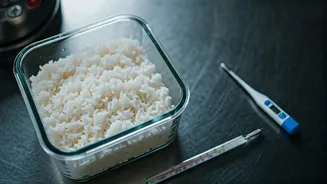
The cornerstone of safe rice meal prepping lies in the principle of time and temperature management. Dr. Sood emphasizes that after cooking, the rice needs to be cooled down with utmost speed. A critical window is within the first hour. It's recommended to transfer the hot rice into shallow containers, which facilitates a much quicker cooling process than leaving it in a large, deep pot. This rapid cooling is essential to prevent the germination of any Bacillus cereus spores that might have survived the initial cooking. Once cooled sufficiently, the rice should be promptly refrigerated, ideally at temperatures of 4°C or below. This swift action significantly minimizes the opportunity for any harmful bacteria present to multiply and produce dangerous toxins.
Storage and Consumption
Once your rice has been safely cooked and rapidly cooled, its subsequent storage and consumption timeline are equally vital. Dr. Sood advises that for optimal food safety, the window for consuming refrigerated cooked rice is generally between 24 to 48 hours. This means planning your meal prep to consume the rice within this relatively short period is key. Furthermore, if you need to reheat the rice, it's imperative to do so thoroughly. The goal is to ensure the rice is steaming hot all the way through. This reheating process should only be done once to further reduce potential risks. Adhering to these guidelines helps ensure that the convenience of meal prepping rice doesn't come at the expense of your health.