





Vitamins: Essential for Life
Our bodies require a diverse array of micronutrients, including vitamins, to perform critical functions such as bolstering immunity and generating energy.
While vital, the distinction between sufficient and excessive consumption can become blurred, sparking concerns about vitamin overdosing. Expert nutritionist Dr. Anjali Sharma addresses prevalent myths and offers guidance on maintaining a healthy micronutrient balance. It's crucial to remember that vitamins are organic compounds needed in small quantities, playing key roles in metabolism, skin health, and more. Unlike macronutrients, they are micronutrients, meaning only trace amounts are necessary for optimal bodily function.
The "More Is Better" Fallacy
A widespread belief is that higher vitamin dosages equate to superior health outcomes. However, Dr. Sharma cautions against this, explaining that while water-soluble vitamins are excreted, fat-soluble vitamins (A, D, E, and K) can accumulate in the body, leading to toxicity. Symptoms of excess fat-soluble vitamins can range from mild nausea and headaches to severe liver damage and bone issues. Even water-soluble vitamins, though typically flushed out, can cause adverse effects like digestive distress or nerve problems if consumed in extremely high quantities. Understanding this difference is key to safe supplementation.
Supplements vs. Whole Foods
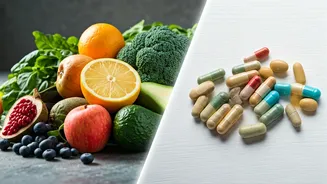
While supplements can be invaluable for addressing specific nutrient deficiencies or catering to dietary restrictions, they should never supplant a balanced diet. Dr. Sharma stresses that whole foods provide a complex synergy of nutrients, fiber, and phytochemicals that isolated vitamins cannot replicate. A diet rich in fruits, vegetables, whole grains, and lean proteins ensures a comprehensive nutrient profile and promotes overall well-being. Relying solely on supplements can lead to an unbalanced intake and may mask underlying health issues, making a varied diet the cornerstone of good health.
Multivitamin Quality Varies
Not all multivitamins are formulated equally, according to Dr. Sharma. Significant differences exist in their quality and nutrient composition, with some potentially containing excessive amounts of certain vitamins while lacking others. It is paramount to select reputable brands and consult a healthcare professional to identify a multivitamin tailored to individual requirements. Factors such as age, gender, lifestyle, and pre-existing health conditions all influence nutrient needs, meaning a one-size-fits-all approach is rarely effective.
Recognizing Overdose Risks
Contrary to popular belief, vitamin overdosing, particularly mild or sub-optimal toxicity, may be more common than acknowledged due to the proliferation of high-dose supplements. Subtle symptoms are often misattributed, delaying diagnosis. Dr. Sharma advises attentiveness to bodily signals and consulting a doctor if unusual symptoms arise after starting a new supplement regimen. Blood tests can accurately diagnose deficiencies or excesses, ensuring appropriate intervention. Therefore, it's essential to be aware that even seemingly harmless supplements can pose risks if overused.
Sources of Key Vitamins
To ensure adequate intake of essential vitamins, focusing on a diverse diet is crucial. Vitamin C is abundant in citrus fruits, strawberries, and bell peppers, supporting the immune system. For Vitamin A, opt for sweet potatoes, carrots, and spinach. Vitamin D, often called the 'sunshine vitamin,' is found in fatty fish, egg yolks, and fortified dairy, though sun exposure is also a key source. Vitamin E, a powerful antioxidant, is present in nuts, seeds, and spinach. Vitamin K, vital for blood clotting and bone health, can be obtained from leafy greens like kale and broccoli. The B-vitamin complex, crucial for energy production and DNA synthesis, is available in whole grains, legumes, lean meats, and dairy.