



AC's Hidden Impact
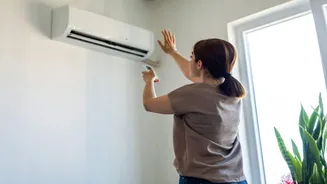
Air conditioning systems, while effective at lowering room temperatures, possess a less obvious but significant side effect: they actively remove moisture
from the air. This process, essential for cooling, can lead to an uncomfortably dry indoor atmosphere, particularly in enclosed spaces like bedrooms where doors and windows are kept shut overnight. Children, with their more delicate skin and developing respiratory systems, tend to be more susceptible to these arid conditions. Unlike adults who might articulate discomfort as a 'dry room,' children may exhibit restlessness, increased nighttime awakenings, or resort to mouth breathing, signaling distress without directly identifying its cause. The aim of a strategically placed bucket of water isn't to transform the room into a humid oasis or to replace a sophisticated humidifier, but rather to introduce a subtle, beneficial increase in ambient moisture, especially within smaller spaces. This minor adjustment can collectively contribute to a noticeably less harsh and more soothing sleep environment, easing the discomfort caused by over-dehydrated air.
Soothing Skin & Eyes
Beyond merely irritating the nasal passages, overly dry air circulating in an air-conditioned environment can leave the skin feeling uncomfortably tight and the eyes feeling fatigued and gritty. This heightened sensitivity is particularly pronounced in children who may already have sensitive skin, suffer from mild eczema, or experience minor eye irritation. Such discomfort can manifest as increased rubbing of the eyes, more frequent tossing and turning throughout the night, or a general inability to settle into deep sleep. Introducing a modest amount of extra humidity into the room, even through a simple evaporation method, can help to 'soften' the overall feel of the air, making the environment less aggressive. While this method is not a medical intervention or a cure for underlying conditions, it serves as a practical approach to enhancing the sleeping conditions. Many parents observe that their children sleep more soundly when the room's atmosphere feels balanced, underscoring the principle that true comfort during sleep is a multifaceted experience, influenced by air quality as much as by temperature alone.
Combating Dryness & Congestion
A common consequence of sleeping in actively cooled and dehumidified air is waking with a dry mouth or a scratchy throat, a sensation that can be amplified for children who habitually breathe through their mouths at night. The dry air can also irritate the nasal lining, leading to increased discomfort for youngsters already contending with allergies, a minor cold, or seasonal congestion. Throughout the night, especially during peak summer months when air conditioners might run continuously for six to eight hours, the constant circulation can lead to a palpable decrease in room humidity by morning. This often results in children waking repeatedly to drink water or exhibiting signs of nasal irritation, such as rubbing their noses. The fundamental principle behind placing a bucket of water in the room is that its slow evaporation can subtly counteract the pervasive dryness, thereby creating a gentler breathing environment. While it won't resolve a cold or clear significant congestion, this practice can make the air feel less abrasive on the airways. For parents, this subtle improvement is significant, as a more comfortable sleeping child is more likely to wake up feeling refreshed rather than irritable or parched.
The Power of Low-Tech Comfort
The consistent operation of an air conditioner overnight often cultivates a sense of calm, cleanliness, and a feeling of being shielded from the external environment, which is highly desirable on hot evenings, especially for children who benefit from cooler sleeping temperatures. However, this comfort comes with a subtle drawback that many parents only recognize after several nights: the room can become excessively dry. This can lead to children waking with symptoms like a sore throat, a stuffy nose, dry lips, or irritated eyes, even when the temperature feels perfectly regulated. This is precisely where the humble bucket of water emerges as a surprisingly effective solution. It's an old-fashioned, inexpensive, and remarkably simple method that continues to be employed by many families for good reason. The effectiveness of this practice lies not in any magical properties, but in its direct response to a tangible problem with an accessible, low-cost remedy. For children experiencing discomfort due to the arid air created by AC units, a bucket of water can offer a slight boost in moisture, contributing to a more pleasant and less irritating sleep environment.
Smart Sleep Practices
Achieving restful sleep for children rarely hinges on a single, monumental solution; instead, it's the culmination of several factors that contribute to a safe, quiet, consistent, and comfortable environment. While temperature is crucial, so are factors like proper darkness and minimal noise. Equally important is the quality of the air itself. The inclusion of a bucket of water, though seemingly minor, reflects a deeper parental intuition: the ability to observe a child's physical reactions and make corresponding adjustments to the room's environment, rather than solely relying on thermostat changes. In many households, particularly during warmer months, this simple habit is integrated alongside other established nighttime routines. These might include ensuring water is readily accessible, preventing direct AC airflow onto the child, and using lightweight bedding. These are not drastic interventions but rather understated adjustments that collectively enhance sleep quality. The enduring relevance of this time-tested practice stems from its ability to address a real issue with a straightforward, economical approach, making the air-conditioned sleeping space more conducive to rest.
A Practical Alternative
Not every household is equipped with a humidifier, and many parents may prefer not to introduce another electronic appliance into their child's room. Concerns about complexity, maintenance, or potential malfunctions can lead some to seek simpler alternatives. A bucket of water offers just that: an uncomplicated, familiar, and readily available option. It requires no electricity, produces no noise, and demands no intricate settings or upkeep. This lack of complexity is precisely why the practice persists in many homes. It serves as an efficient backup when the air conditioner is running intensely, the ambient weather is particularly dry, or the room begins to feel uncomfortably stuffy in a way that suggests dehydration. This age-old trick has been passed down through generations in numerous households due to its inherent ease of implementation and broad accessibility. However, its effective use necessitates common sense. The bucket itself must be kept clean and stable, positioned securely to prevent accidental spills, especially in rooms with very young children where safety must always take precedence over tradition. The goal is to enhance comfort without introducing any new hazards.