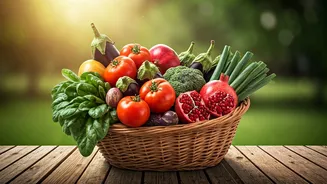








Embracing Nature's Bounty
The cornerstone of responsible cooking begins with a deep appreciation for seasonal and local ingredients. These ingredients are at the peak of their flavor
and nutritional profile when harvested. Embracing this principle means aligning your cooking with the natural rhythm of the seasons, ensuring that the food on your plate is as vibrant and beneficial as possible. Seasonal ingredients are typically fresher, which also reduces the need for preservatives and long-distance transportation. Think about the taste difference between a mango picked ripe from a local tree versus one that has traveled a long distance. Moreover, supporting local farmers and producers helps strengthen community bonds and reduces the environmental impact associated with food production.
Sustainability Beyond Trends
Sustainability isn't just a buzzword; it's a fundamental shift in how we approach food. Cooking with seasonal and local ingredients is a core tenet of sustainable practices. It minimizes the carbon footprint associated with transportation, reducing reliance on energy-intensive processes. Consider the impact: locally sourced produce requires far less fuel for delivery compared to items shipped across states or even countries. Furthermore, it supports agricultural practices that prioritize environmental health. By choosing local, you're investing in a more resilient and eco-conscious food system. The benefits extend beyond environmental considerations. Local farms often employ more sustainable farming methods, minimizing the use of harmful pesticides and fertilizers, which leads to healthier soils and, consequently, more nutritious crops.
Ancient Kitchens, Modern Meals
Delving into culinary history reveals a wealth of ancient wisdom perfectly suited for the modern kitchen. Traditional Indian cooking techniques, passed down through generations, often center around seasonal availability and resourcefulness. Methods like fermentation, pickling, and sun-drying were developed to preserve food and make the most of each harvest. These techniques not only extend the shelf life of ingredients but also enhance their flavors and nutritional value. Consider the art of making pickles or the process of creating various chutneys with local ingredients like mangoes, chilies, or tamarind. Reviving these practices not only adds depth and complexity to our meals but also connects us to our cultural heritage, creating a more sustainable and enriching culinary experience. Furthermore, these time-honored techniques reduce food waste and promote a deeper connection with the ingredients.
Creativity and Value
Cooking seasonally and locally encourages creativity in the kitchen while offering exceptional value. When your choices are dictated by what's readily available, it sparks innovation in recipe development. You might discover new combinations and unexpected flavors that you wouldn't have considered otherwise. This approach also allows for significant cost savings. Seasonal produce is typically more affordable because of its abundance. This allows you to explore a wider variety of ingredients without breaking the bank. Furthermore, it inspires mindful cooking – paying attention to what you are using and minimizing waste. Being mindful about your choices translates to a deeper appreciation for the food. This enhances the overall dining experience, making each meal not just a necessity but a celebration of flavor, nutrition, and responsible consumption. This way, one can maximize both taste and cost-effectiveness in their diet.
Local Food Ecosystems
Strengthening local food ecosystems goes far beyond simply eating locally. It is a collaborative effort. Purchasing from local farmers and markets supports the livelihoods of small-scale producers. This, in turn, helps maintain agricultural diversity and preserves the traditional farming knowledge that sustains our communities. Engaging with local food systems can also lead to more direct connections with the origin of your food, allowing you to ask questions about farming practices and the origin of ingredients. By investing in local food initiatives, you support the overall health and well-being of the community. In addition, you can promote sustainable agriculture, reduce environmental impact, and build a more resilient food supply for future generations. Supporting local markets and farms allows for fresher, higher-quality produce and strengthens social bonds.